


| Quantity: | |
|---|---|
The compressor inlet valve, widely known as the suction valve, is a critical component installed within the compressor cylinder cover or valve chamber. It plays an essential role in facilitating one-way gas inhalation for reciprocating compressors, directly impacting the overall efficiency and reliability of the equipment.
During the piston's return stroke, a negative pressure environment forms inside the cylinder. Once the internal cylinder pressure drops below the intake chamber pressure and reaches the required valve opening differential pressure, the valve plate automatically opens, allowing gas to rapidly enter the cylinder. As the piston begins its compression stroke, the internal cylinder pressure rises, causing the valve plate to quickly reseat and close. This rapid closure prevents the drawn-in gas from flowing back into the intake pipeline.
The operational performance of the intake valve—specifically its opening sensitivity, flow resistance, and closing response—directly determines several critical compressor metrics. These include the suction filling coefficient (volumetric efficiency), suction gas temperature rise, overall energy consumption, and the operational lifespan of the valve components. Proper valve selection is vital for maintaining system stability and reducing long-term operational costs for industrial projects.
 |  |  |
 |  |  |
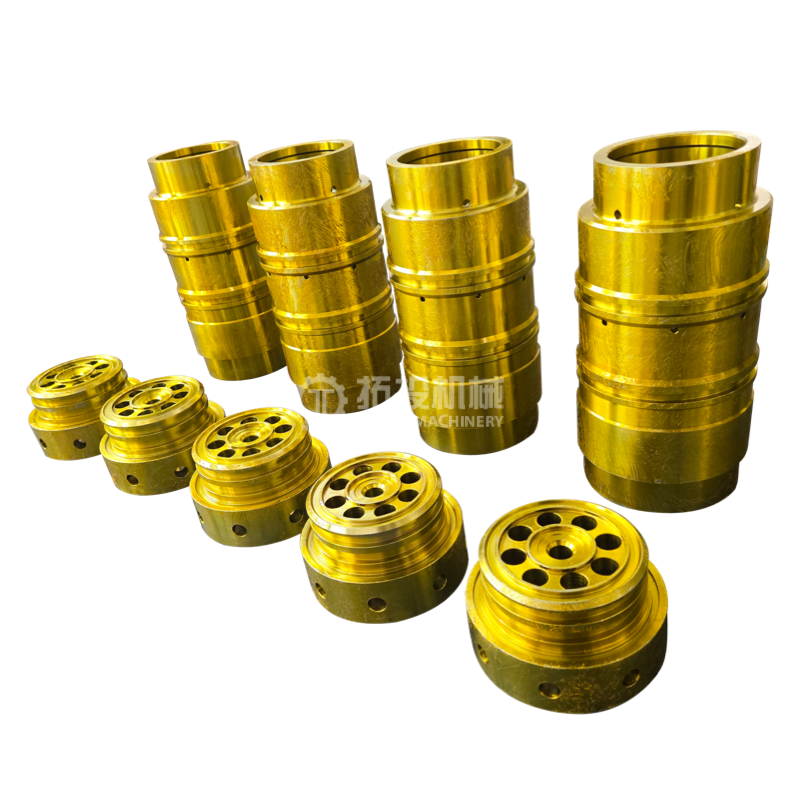
Our reciprocating compressor inlet valve is engineered to withstand medium and high-frequency opening and closing cycles. We provide a comprehensive solution that integrates advanced structural design, optimized material heat treatment, precision manufacturing, and rigorous validation. The core design philosophy centers on "low pressure drop intake, rapid reseating, anti-rebound impact resistance, and extended fatigue life."
Optimized Intake Efficiency: Designed with a low-pressure-drop structure, the intake duct precisely matches the effective orifice area of the suction plate valve. This minimizes turbulence losses and enhances intake filling capacity.
Dynamic Lift Control: For varying speed and pressure ratio conditions, a specific valve lift window is configured. This balances the required intake capacity with precise control over the impact velocity of the inlet check valve block, significantly reducing mechanical wear.
Wide Gas Compatibility: The highly adaptable design makes these valves suitable for diverse applications involving air, natural gas, and various industrial process gases, ensuring stable performance across different industrial sectors.
To guarantee reliable sealing performance and long-term stability, we implement high-consistency manufacturing processes tailored for critical compressor components.
Precision Machining and Lapping: The sealing surface of the inlet valve seat undergoes high-precision machining and lapping. This meticulous process ensures a stable, low-leakage adhesion of the suction port valve plate during continuous operation.
Strict Tolerance Control: Critical mating surfaces and dimensional tolerances are strictly controlled. This approach significantly reduces the risk of off-center loading and localized hot spots, thereby enhancing batch consistency and operational safety.
Industrial environments often present challenging operating conditions. Our suction reed valve is specifically designed to adapt to these complexities, ensuring continuous operation for procurement projects with stringent environmental requirements.
Customizable Structural Details: Depending on specific operating environments—such as dust-laden atmospheres, oil mist exposure, or systems with coking tendencies—we can adjust structural details and material formulations to effectively reduce sticking and deposition sensitivity.
Maintenance and Modular Delivery: To support efficient facility management, we offer modular delivery and comprehensive spare-parting solutions. This approach facilitates expedited on-site maintenance and simplifies periodic overhauls, ultimately minimizing equipment downtime and lowering maintenance expenditures.
Ensuring the safe, pristine, and secure delivery of precision compressor components is a top priority for our logistics operations. Our comprehensive packaging and shipping protocols are meticulously designed to protect the One-Way Gas Inlet Valve from a wide range of environmental and mechanical risks encountered during global transit. We implement a rigorous, multi-stage packaging system to guarantee that every valve arrives at your facility in factory-fresh condition, ready for immediate deployment and reducing any risk of project delays caused by transit damage.
All critical surfaces of the product, particularly the highly machined areas, precision mating surfaces, and delicate end faces, are meticulously coated with industrial-grade anti-rust oil or specialized protective agents. Following this initial treatment, the precision parts are securely wrapped with high-quality VCI (Volatile Corrosion Inhibitor) paper and other advanced moisture-barrier materials. This rigorous isolation process effectively blocks out ambient air, high humidity, and corrosive elements, significantly reducing the risk of oxidation and rust during extended maritime transportation, fluctuating climate conditions, and long-term warehouse storage before installation.
To safeguard the internal mechanical integrity of the valve against transit vibrations, drops, and unexpected impacts, premium cushioning materials are strategically applied around the entire product. These protective buffers include high-density pearl cotton, specialized shock-absorbing foam, and heavy-duty industrial rubber pads. Based on the specific structural dimensions and weight distribution of the gas inlet valve, we engineer and install customized internal supports and positioning blocks inside the package. This tailored fixation system prevents any rolling, shifting, or internal collisions, keeping the product perfectly stable regardless of rough handling, uneven road conditions, or turbulent transport environments.
The outermost layer of our protection system utilizes reinforced export-grade wooden cases or equivalent high-strength packaging solutions designed for international logistics. These heavy-duty enclosures provide exceptional load-bearing capacity, crush resistance, and structural rigidity, making them fully suitable for the demanding rigors of sea freight, land transport, or air cargo. To facilitate safe and efficient logistics operations, clear handling marks—such as center of gravity indicators, designated lifting points, moisture protection warnings, and anti-tilt symbols—are prominently displayed on the exterior. These crucial markings ensure correct and secure handling by port authorities, freight forwarders, crane operators, and on-site personnel.
We understand that different procurement projects and global destinations face unique logistical challenges. Therefore, our packaging solutions can be fully adjusted and customized according to specific customer requirements and project demands. We offer flexible configurations regarding the overall protection level, cushioning methodology, internal fixing structure, and outer case design. Whether you require adaptation to specific tropical or freezing transportation climates, compliance with strict destination port regulations, or unique project site unloading constraints, our customized packaging ensures optimal safety, regulatory compliance, and seamless delivery for every shipment.


