


| Quantity: | |
|---|---|
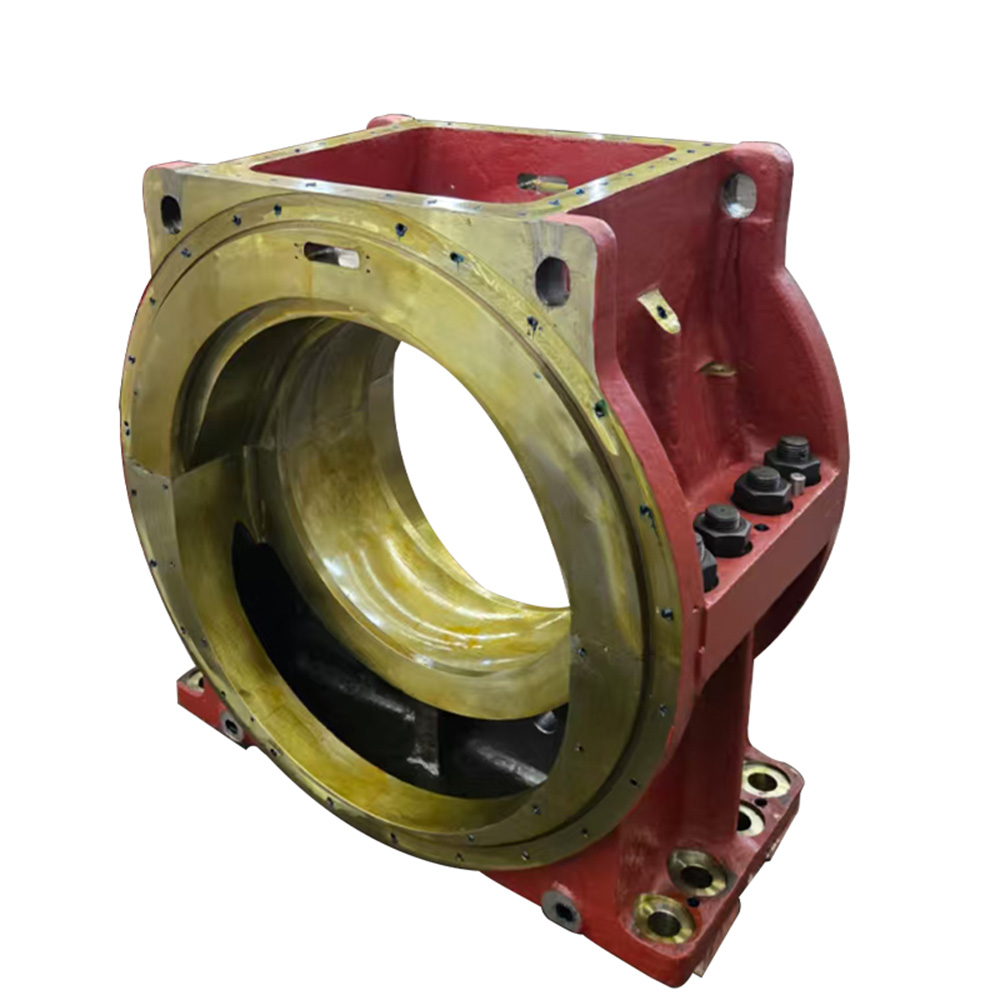
Sliding bearings, specifically designed as high-load hydrodynamic journal bearings, serve as critical support components for the intermediate shaft within modern marine propulsion systems. Typically installed within the intermediate bearing housing, these bearings work effectively in conjunction with the intermediate shaft, bearing bushes, and the vessel's lubrication system. Their primary function is to bear the immense radial loads generated during navigation while strictly maintaining the precise alignment accuracy of the entire shaft system. Proper alignment is essential for preventing excessive vibration, reducing mechanical wear, and ensuring the long-term operational stability of the vessel.
In a ship's propulsion architecture, the intermediate shaft acts as the vital link between the thrust shaft and the propeller shaft. The operational stability of this connection directly dictates the reliability and power transmission efficiency of the entire propulsion shaftline. As the direct working support surface for the intermediate shaft, our hydrodynamic journal bearings are manufactured with stringent requirements for dimensional precision, superior surface finish quality, and exceptional material wear resistance. Understanding that marine environments are highly demanding, our company specializes in the customized design and processing of sliding bearings. We tailor our solutions according to specific vessel types, varying shaft diameters, and distinct load conditions. This tailored approach ensures that our bearings meet the rigorous demands of long-term continuous operation, even under the most complex and harsh sea conditions, thereby providing purchasing managers and marine engineers with a highly reliable, low-maintenance solution.
 | | |
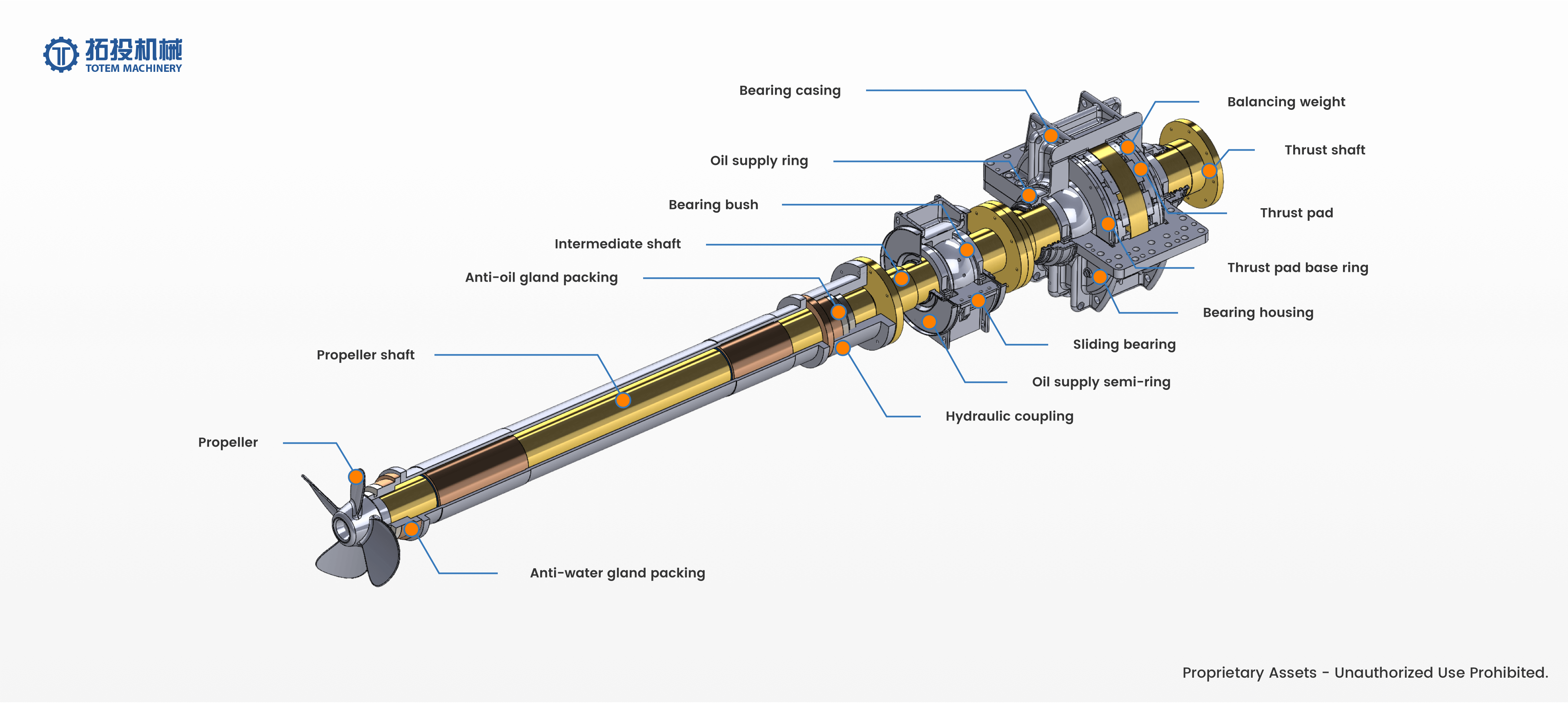
Within the broader scope of ship propulsion systems, the sliding bearing operates as a core foundational element. The intermediate shaft bearing system, alongside thrust bearings, thrust shafts, propeller shafts, and other essential marine components, collectively forms a comprehensive and robust propulsion shaft system. During maritime operations, the immense thrust generated by the propeller is transmitted sequentially through the propeller shaft, intermediate shaft, and thrust shaft to drive the hull forward. Throughout this intensive process, the intermediate shaft sliding bearings and their associated lubrication systems continuously provide unwavering support for the shaftline. This synergy guarantees a smooth, reliable, and highly efficient power transmission process, significantly minimizing energy loss and mechanical fatigue.
Beyond individual components, our company boasts extensive manufacturing and precise matching capabilities for various key elements of marine propulsion systems. Our product range encompasses intermediate shafts, premium bearing bushings, thrust shafts, thrust bearing assemblies, propeller shaft assemblies, and related structural bearing components. While we place a strong focus on high-performance sliding bearings and intermediate shaft bearing systems, our true value lies in our ability to deliver precisely matched components. By ensuring strict dimensional matching and highly reliable manufacturing standards across all parts, we assist shipbuilders and fleet operators in constructing stable, controllable, and highly efficient marine propulsion systems. We provide a comprehensive, end-to-end solution—from individual precision-engineered components to the entire propulsion shaftline—thereby reducing procurement complexity, mitigating assembly risks, and ensuring optimal performance for your maritime projects.
The manufacturing of high-load hydrodynamic journal bearings for ship intermediate shafts relies on stringent technical control points during the machining process. Sliding bearings are usually made of high-strength wear-resistant alloys or advanced copper-based composite materials. For marine engineering procurement, material integrity is the foundational step in ensuring long-term operational reliability. The selected copper-based composites offer significant load-carrying capacity and natural anti-galling properties, which are essential for components subjected to continuous heavy rotational forces. During the initial machining stages, specialized tooling is utilized to process these high-strength alloys, maintaining their structural integrity while preparing them for high-precision shaping without inducing thermal deformation.
The key points in the processing include drilling inner holes and comprehensive precision machining to ensure the accuracy and roundness of the fit with the intermediate shaft. Achieving exact dimensional accuracy is critical in marine shafting applications. Any slight deviation in the roundness of the inner bore could lead to uneven load distribution, localized wear, or a compromised hydrodynamic lift. Advanced precision lathes and boring machines are employed to carefully remove material, ensuring that the internal geometry precisely matches the engineered specifications. This tight dimensional tolerance control allows the sliding bearing to support heavy marine shafting systems, minimizing mechanical stress and preventing excessive vibration during high-speed rotation.
The following figure shows the drilling process of sliding bearings, which ensures the accuracy of the lubrication oil passage and assembly hole position through precise drilling, providing a foundation for subsequent assembly and lubrication. This specific machining phase is critical for the hydrodynamic function of the bearing. The engineered oil grooves and passages must be positioned with absolute exactness to facilitate the continuous, unrestricted flow of lubricating oil across the entire bearing surface. By maintaining strict control over the drilling coordinates, angles, and depths, the manufacturing process guarantees that the lubrication system will function exactly as designed, preventing localized overheating and ensuring continuous fluid film formation during active vessel operation.

In addition, the sliding bearings are precision polished and treated on the surface to form a suitable lubricating oil film thickness, ensuring the stability and low friction operation of the intermediate shaft during high load operation. In hydrodynamic journal bearings, the metal surfaces are designed to be separated by a microscopic layer of oil. Precision polishing eliminates microscopic surface asperities and roughness that could potentially penetrate this critical oil film. By achieving an ultra-smooth surface finish, the final machining process significantly reduces the friction coefficient. This meticulous attention to surface topography directly translates to reduced energy loss, lower operating temperatures, and an extended operational lifespan for the bearing assembly, ultimately lowering maintenance requirements and replacement costs for marine fleet operators.
In addition, the sliding bearings are precision polished and treated on the surface to form a suitable lubricating oil film thickness, ensuring the stability and low friction operation of the intermediate shaft during high load operation.
To guarantee the exceptional reliability required for marine propulsion systems, every High-Load Hydrodynamic Journal Bearing undergoes a rigorous and systematic quality inspection process. Our quality control framework is specifically designed to meet the demanding requirements of ship intermediate shafts, ensuring that each component achieves a strict zero-defect standard before leaving our facility. The routine inspection phase focuses heavily on precise dimensional measurement and fitting accuracy. By verifying that every geometric tolerance aligns exactly with engineering specifications, we eliminate the risk of improper installation or excessive vibration during high-load operation. Additionally, comprehensive surface defect examinations are conducted to confirm that the bearing surface remains smooth and structurally sound, which is essential for maintaining optimal hydrodynamic lubrication.
At the core of our quality assurance protocol is comprehensive PT testing (penetration testing). This specialized non-destructive testing method is critical for evaluating the structural integrity of the sliding bearings under extreme stress conditions. By applying industry-standard penetrant materials, our quality inspectors meticulously examine both the interior and exterior surfaces of the bearing. The primary objective of this PT testing is to ensure that there are absolutely no micro cracks, porosity, or hidden processing defects that could compromise the component's strength. Identifying and eliminating these microscopic imperfections is vital for preventing fatigue failure and ensuring long-term reliability during continuous maritime operation.
The pictures above show the actual PT inspection site for our sliding bearings, where highly trained technicians conduct thorough evaluations. This hands-on, meticulous approach guarantees that every single bearing meets stringent high-standard quality requirements before delivery. Relying on a mature testing system and extensive industry expertise, our sliding bearings are proven to withstand high-load conditions, continuous long-term operation, and the complex working environments typical of modern vessels.
Furthermore, we provide robust quality assurance for custom manufacturing. Whether producing standard components or executing specialized processing according to client drawings, our strict inspection protocols remain uncompromised, delivering dependable and defect-free solutions for your critical ship propulsion systems.
PT
PT
Ensuring the secure delivery of a High-Load Hydrodynamic Journal Bearing for Ship Intermediate Shafts requires a highly specialized logistics strategy. Due to the heavy weight, precision-machined surfaces, and critical application of these marine components, standard shipping methods are insufficient. We have developed a comprehensive, multi-layered packaging protocol designed to eliminate risks associated with long-distance international transport, crane handling, and harsh marine environments. Our packaging process is meticulously structured from the inside out to guarantee that your equipment arrives at the shipyard or destination port in flawless, ready-to-install condition.
Protecting critical machined surfaces, mating surfaces, and end faces from moisture and salt air is paramount for marine engineering components. All essential metallic surfaces of the journal bearing are meticulously coated with industrial-grade anti-rust oil and specialized protective agents. Following this, the entire assembly is securely wrapped in VCI (Volatile Corrosion Inhibitor) paper and other moisture-barrier materials. This comprehensive inner sealing effectively isolates the product from air and humidity, preventing oxidation, rust, or corrosion during extended sea freight and long-term on-site storage.
To maintain the structural integrity of the heavy-duty bearing during transit, we implement a highly resilient internal cushioning system. Premium shock-absorbing materials, including thick pearl cotton, high-density foam, and heavy-duty rubber pads, are strategically applied around the product to provide comprehensive protection. Furthermore, customized wooden supports and precision-cut positioning blocks are installed inside the packaging case. These structural reinforcements lock the heavy shaft bearing firmly in place, eliminating any risk of rolling, shifting, or internal collisions caused by transport vibrations or handling impact.
The outer protection relies on reinforced, export-grade wooden cases specifically designed for heavy load-bearing capacity and strong structural stability. These heavy-duty enclosures are built to withstand the rigorous demands of international sea, land, or air transportation. To facilitate safe and efficient on-site handling, the exterior is clearly marked with standard logistics symbols. Essential indicators such as the center of gravity, designated lifting points, moisture protection (keep dry), and anti-tilt warnings are prominently displayed, ensuring crane operators and logistics teams can manage the heavy cargo safely and correctly.
Understanding that every marine engineering project has unique logistics requirements, we offer fully customized packaging solutions. Based on specific transportation conditions, destination port regulations, and project site environments, we can adjust the protection grade, cushioning methodology, fixing structure, and outer case design. Whether the intermediate shaft bearing requires specialized long-term storage preparation or compliance with strict international import packaging standards, our tailored logistics preparation ensures your critical components meet all delivery expectations.


