
Views: 0 Author: Site Editor Publish Time: 2026-09-12 Origin: Site
Terminology confusion runs rampant across the manufacturing and engineering sectors. Professionals often mix up regional automotive dialects and strict marine engineering definitions. This semantic blur creates massive real-world risks for operators. Procuring the wrong component triggers costly operational delays. It routinely causes severe compliance failures during vessel classification surveys. Even worse, incorrect technical specifications can lead to catastrophic mechanical breakdowns at sea.
Establishing the correct terminology is absolutely critical for maritime safety. Fleet managers and engineers need exact language to ensure reliability. We wrote this comprehensive guide to clearly define these mechanical terms. We focus specifically on high-stakes marine and heavy industrial applications. You will learn exactly how to differentiate each driveline component accurately. We also provide a comprehensive evaluation framework for your engineering team. You can use this robust framework for sourcing, replacing, and maintaining these vital systems.
Context is everything: In automotive contexts (especially in Australia/UK), "tail shaft" and "propeller shaft" are often interchangeable; in marine engineering, they represent distinct sections of the driveline.
Component hierarchy: The Marine Propeller Shaft is the broad term for the drive line, whereas the tail shaft is strictly the aft-most section that passes through the stern tube and holds the propeller.
Material and compliance: Sourcing requires evaluating forged alloys for yield strength, corrosion resistance, and alignment with marine classification society standards.
Lifecycle management: Proactive propeller shaft inspection mitigates galvanic corrosion, fatigue, and bearing wear.
In regions like Australia, mechanics routinely call an automotive driveshaft a "tailshaft". This vernacular works perfectly fine for street vehicles. Local auto shops understand exactly what the customer needs. However, this regional slang causes massive confusion in heavy marine industry. We must filter out this automotive noise completely. You need highly precise language when dealing with commercial shipping components.
In naval architecture, strict definitions govern all marine propulsion system parts. The technical vocabulary leaves no room for guessing or assumptions. Each mechanical segment possesses a dedicated name based on its exact location. The hierarchy is incredibly specific to ensure engineering accuracy. Shipbuilders rely on this standardized language across the globe.
A complete marine shaft line rarely consists of one single metal piece. Large commercial vessels utilize a segmented driveline approach. The assembly usually contains a main forward thrust shaft. It often includes a massive forged intermediate shaft to bridge long gaps. Finally, it terminates at the critical aft section. Each part plays a highly specialized role in power transmission.
Misusing these specific terms on purchase orders creates extreme financial danger. It routinely results in vendors quoting incorrect dimensional tolerances. It might also lead to improper material grades arriving at the shipyard. Clarifying these terms upfront prevents disastrous procurement errors. Clear communication ensures safety and protects your maintenance budgets.
The Marine Propeller Shaft acts as the primary power transmitter for a vessel. It transfers massive torque generated by the engine directly to the propeller. Engineers often use this broad term to cover the entire driveline assembly. It encompasses everything from the gearbox output flange to the propeller nut.
System integration requires careful segmenting and precise engineering. Large hull designs require incredibly long drivelines to function properly. The main forward section connects seamlessly to the intermediate components. These connections bridge massive physical distances inside the ship's hull. They work together to maintain structural rigidity over large structural spans. Proper integration prevents the hull from bending the driveline during heavy seas.
Sourcing these components requires intense material evaluation and testing. Engineers constantly compare austenitic stainless steel against advanced duplex variants. They also evaluate specialized bronze alloys for specific applications. They analyze these metals for optimal torque-to-weight ratios. High-yield alloys allow for smaller shaft diameters without sacrificing strength. This reduction minimizes overall vessel weight and improves fuel efficiency.
Machining precision remains equally vital during the manufacturing phase. Strict straightness tolerances prevent excessive vibration during operation. Vibration causes premature bearing failure and accelerates structural metal fatigue. You must demand strict surface finish requirements from your manufacturer.
A properly specified unit minimizes mechanical power loss from friction. It aligns perfectly to match the hydrodynamic profile of the ship. It guarantees smooth power delivery under the heaviest ocean loads. This perfect alignment ensures the propulsion system operates at peak efficiency.
| Material Type | Corrosion Resistance | Yield Strength | Best Application |
|---|---|---|---|
| Austenitic Stainless (316L) | High | Moderate | Smaller pleasure craft, light duty |
| Duplex Stainless (2205) | Excellent | Very High | Commercial shipping, heavy duty |
| Nickel-Aluminum Bronze | Good | High | Military vessels, specialized craft |
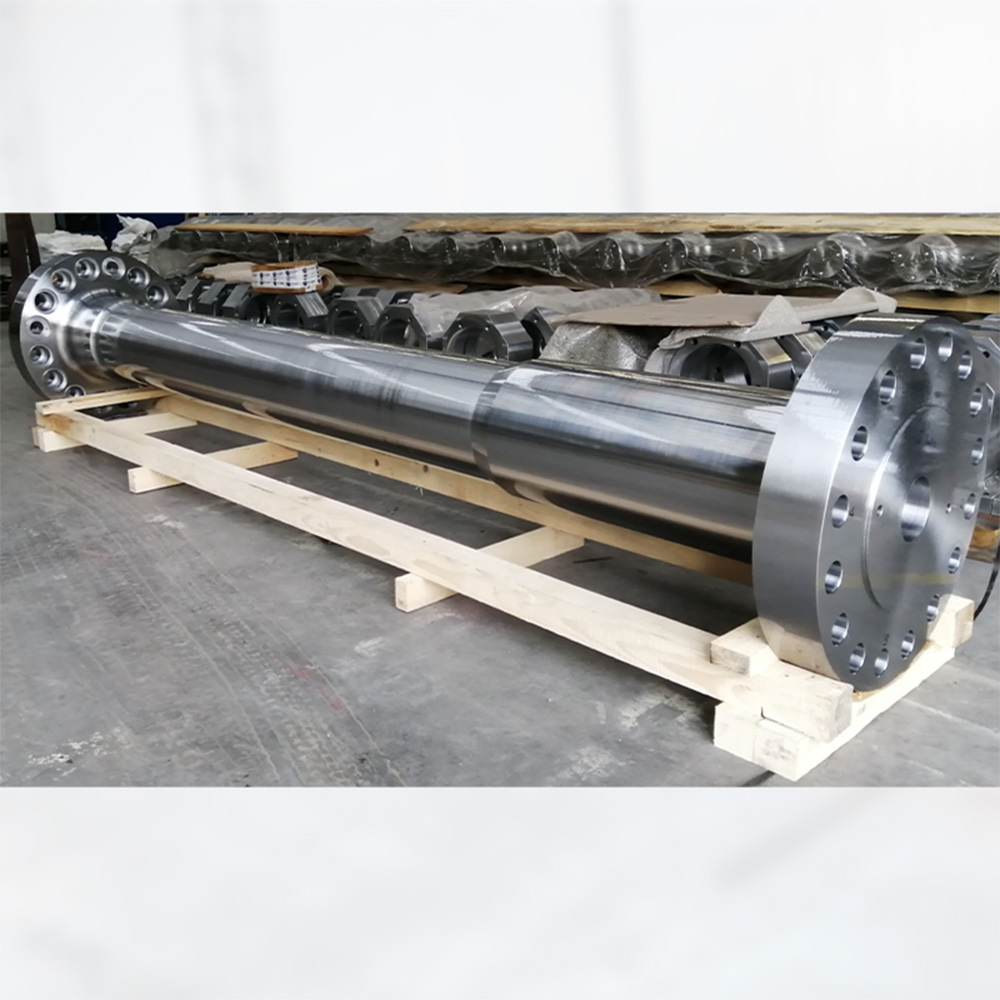
The tail shaft is the final, aft-most segment of the marine driveline. It operates directly inside a harsh, highly corrosive seawater environment. It passes horizontally through the vessel's stern tube casting. It physically mounts the heavy propeller at its tapered aft end.
This specific section faces extreme mechanical abuse daily. Torsional stress twists it aggressively from the engine torque. Bending stress pushes down continuously from the heavy propeller weight. Thrust loads push forward relentlessly against it during normal operation. These unique stressors demand exceptional metallurgical properties. Engineers must design this component to withstand decades of cyclical loading.
Implementation and sealing require complex engineering solutions. You must manage friction and prevent water ingress perfectly. Modern vessels rely on three critical sub-systems for survival:
Stern tube bearings support the rotating metal mass. They maintain precise physical alignment over long distances.
Mechanical seals prevent corrosive seawater from flooding the internal engine room. They also keep internal lubricants from leaking out.
Advanced lubrication systems manage intense friction heat. Operators utilize either pressurized oil systems or environmentally friendly water-lubricated setups.
Water-lubricated systems help fleets comply with strict environmental regulations. They eliminate the risk of accidental oil pollution completely. Tail shaft failures produce severe maritime consequences. Broken components cause massive water ingress immediately. They often result in a complete loss of propulsion at sea. You must rigorously vet component manufacturers to mitigate these severe operational risks.
Top-tier marine applications demand strict certification protocols. Marine classification societies must certify these critical components before installation. Organizations like ABS, DNV, or Lloyd's Register set the rigorous standards. Uncertified parts pose unacceptable safety risks for the crew. They also create massive legal liabilities for commercial fleet operators.
Basic chemical composition does not guarantee component reliability. The internal grain structure dictates overall strength and durability. A highly refined grain structure resists metal fatigue beautifully. Forged components vastly outperform standard castings in heavy-duty maritime applications. You must evaluate the raw forging process deeply during procurement. Proper heat treatment ensures the metal achieves its maximum yield strength.
Supplier vetting requires a strict qualification checklist. Shortlist your manufacturers using these specific criteria:
In-house non-destructive testing capabilities (MPI and UT).
A proven track record supplying specific commercial vessel classes.
The ability to deliver complete and transparent metallurgical reports.
Advanced precision machining equipment capable of micromillimeter tolerances.
Procurement teams must balance upfront forging costs against long-term durability. Investing in superior metallurgy extends your standard maintenance intervals. High-quality forged steel prevents costly emergency dry-docking. This strategic approach maximizes operational uptime. It improves financial returns while ensuring complete regulatory compliance.
Dry-dock periods require careful planning and precise execution. Operators perform routine visual checks annually during standard maintenance windows. They look for obvious signs of external damage or severe pitting. However, classification societies mandate comprehensive withdrawals every five years. These mandatory inspections are highly invasive and require significant labor.
Non-Destructive Testing techniques are absolutely non-negotiable during these withdrawals. Technicians heavily utilize magnetic particle testing on the metal surface. They also employ ultrasonic testing for deep internal scanning. These advanced methods identify hidden micro-fractures in the critical taper. A thorough propeller shaft inspection ensures small defects do not become catastrophic failures.
Inspectors know exactly what anomalies to look for. They actively hunt for fretting fatigue near the coupling flanges. They constantly monitor for galvanic corrosion caused by saltwater exposure. They meticulously measure dimensional wear at the bearing journals. They ensure adequate operational clearances remain fully intact. Catching these mechanical issues early saves massive repair costs down the line.
Empirical data drives the final maintenance choice. Minor wear often allows for safe localized machining. Technicians can sleeve the worn areas effectively to restore tolerances. However, deep structural cracking dictates an immediate replacement. Replacing severely damaged shafts is the only safe option. Compromising on structural integrity endangers the entire vessel.
Laypeople easily confuse these terminology differences in everyday conversation. However, precise distinction is absolutely non-negotiable for marine engineering. Procurement teams must use the correct vocabulary to avoid disaster. Understanding the strict component hierarchy protects your vessel from mechanical failure.
Working with certified manufacturers ensures your components meet stringent demands. Superior metallurgy guarantees long-term operational success on the ocean. Proper internal grain structures resist the harsh oceanic environment perfectly. Routine maintenance and strict non-destructive testing catch tiny flaws early.
Take proactive steps to secure your maritime assets today. Consult with our engineering specialists for custom forging quotes. Schedule a certified inspection for your existing drivelines immediately. Prioritize safety, precise terminology, and mechanical reliability above all else.
A: In automotive regions like Australia, mechanics use the terms interchangeably for cars. In marine engineering, they are vastly different. A drive shaft refers to the general power transmission line. The tail shaft is specifically the final rear section. It extends through the hull to physically hold the propeller.
A: Duplex stainless steel, Aquamet alloys, and high-tensile marine bronze dominate the industry. They provide excellent corrosion resistance. They also offer superior yield strength. This specific combination ensures maximum longevity in aggressive saltwater environments. Proper material selection prevents rapid galvanic corrosion effectively.
A: It bridges the physical distance between the main thrust bearing and the aft section. Large commercial vessels require this intermediate component. It helps maintain driveline rigidity. It accommodates structural hull flexing over long distances. It ensures power transfers smoothly without causing excessive vibration.
A: Routine visual checks occur during standard annual dry-docking. However, marine classification societies typically mandate a complete withdrawal every five years. Technicians perform comprehensive non-destructive testing during this time. Condition-based monitoring systems can sometimes extend these mandatory inspection intervals safely.


