
Views: 0 Author: Site Editor Publish Time: 2026-09-01 Origin: Site
Stern tube system failures carry massive stakes for modern maritime operations. An unexpected breakdown often triggers unplanned dry-docking, severe environmental fines, and catastrophic shaft damage. The stern tube acts as a critical operational bottleneck. It sits exactly between the vessel's internal propulsion mechanics and the harsh, unforgiving marine environment. If this vital barrier fails, seawater breaches the hull, or industrial lubricants pollute the ocean. These failures severely compromise both vessel safety and regulatory standing.
This guide delivers an evidence-based framework for industry professionals. We tailored these insights specifically for naval architects, fleet managers, and procurement officers. You will discover how to thoroughly evaluate, select, and maintain these essential components. By applying these best practices, you can ensure peak performance and maximize the lifecycle reliability of your fleet.
Stern tube selection requires balancing load-bearing capacity with environmental compliance (e.g., VGP/VIDA regulations).
Evaluating seal configurations (forward and aft) must factor in maintenance intervals, pressure tolerances, and split-design availability for in-water repairs.
The choice between oil-lubricated and water-lubricated systems dictates long-term Total Cost of Ownership (TCO) and directly impacts dry-docking schedules.
Precise alignment between the marine intermediate shaft and the marine propeller shaft is non-negotiable for minimizing bearing wear.
The stern tube serves as the structural foundation for essential marine propulsion system parts. It securely houses the rotating assemblies while perfectly isolating the vessel interior from external seawater. This heavy-duty casing runs through the aft section of the hull. It provides a stable operating environment for the bearings and seals governing rotational movement.
The stern tube establishes vital connection points along the driveline. It aligns the precise area where the marine intermediate shaft transfers immense engine torque backward. The tube then supports the heavy marine propeller shaft as it exits the hull. This alignment must remain flawless under continuous hydrodynamic stress.
Smart component selection acts as a primary risk-mitigation strategy. Sub-standard bearings or poorly designed seals inevitably lead to shaft deflection. This deflection causes premature wear and exposes the operation to costly regulatory breaches. A single pollution incident easily triggers millions in fines. Therefore, operators must evaluate stern tube components against strict success criteria.
We measure system success through three core benchmarks:
Mean Time Between Failures (MTBF): Reliable components maximize the operational hours between required interventions.
Compliance Readiness: The system must seamlessly integrate with modern environmental regulations.
Friction-Loss Minimization: Highly efficient bearings reduce mechanical drag, which directly lowers fuel consumption.
Engineers primarily choose between two dominant bearing materials. Each offers distinct operational characteristics. Traditional white metal, commonly known as Babbitt, provides exceptionally high load capacity. Babbitt bearings embed small particulate contaminants safely away from the shaft surface. However, white metal requires strict oil film maintenance. If the hydrodynamic oil film collapses, metal-to-metal contact destroys the bearing within minutes.
Composite and polymer bearings represent the emerging standard for water-lubricated systems. They eliminate oil pollution risks entirely. When evaluating polymer variants, engineers must analyze swell characteristics. Polymers absorb water and expand slightly over time. Manufacturers must calculate these clearances precisely during installation. You should also evaluate their dry-running survivability. Premium composites can briefly survive a total loss of water flow without melting or seizing the shaft.
| Bearing Material | Primary Lubricant | Load Capacity | Key Advantage | Primary Vulnerability |
|---|---|---|---|---|
| White Metal (Babbitt) | Oil | Very High | Excellent embeddability for debris | Catastrophic failure if oil film breaks |
| Composite / Polymer | Water | Moderate to High | Zero pollution risk | Material swell requires precise clearance |
Shaft deflection presents a persistent engineering challenge. Heavy bronze propellers bend the aft end of the shaft slightly downward. The stern tube bearing must accommodate this slope without experiencing concentrated edge loading. This is where the length-to-diameter (L/D) ratio becomes critical.
A higher L/D ratio means a longer bearing. Longer bearings distribute hydrodynamic loads across a wider surface area. This improves operational stability. However, longer bearings demand absolute precision during hull alignment. Improper alignment during installation voids the performance metrics of even the most premium bearing materials. It causes rapid, uneven wear patterns that force emergency dry-docking.
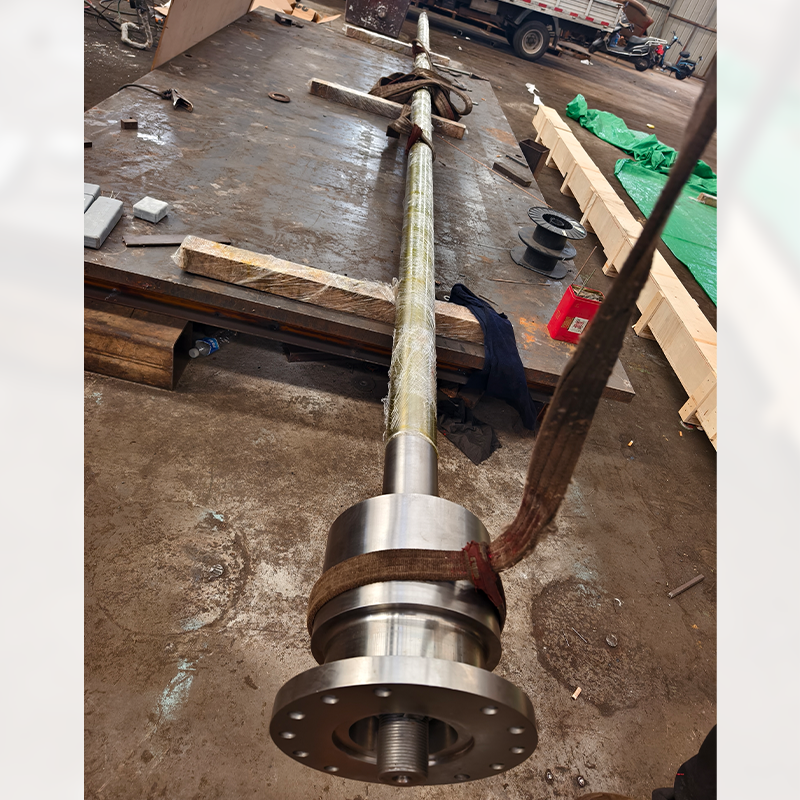
Aft seals face the harshest operating conditions on the vessel. Their primary job involves absolute seawater exclusion. These seals must handle highly variable hydrostatic pressure. As a ship loads cargo, its draft deepens. This pushes the aft seal deeper underwater, multiplying the external pressure. The sealing mechanism must continuously adapt to these pressure spikes to prevent water ingress.
Suspended particulates pose another massive threat. Sand, silt, and fishing lines constantly attack the aft seal assembly. Modern configurations utilize dedicated dirt excluders to push debris away. They also rely on hardened ceramic or metallic liners. These liners mitigate abrasive wear and protect the underlying shaft surface from scoring.
Forward seals operate inside the relatively safe environment of the engine room. They manage lubricant retention. Forward seals keep the engine room completely dry while maintaining optimal internal system pressure. If a forward seal fails, oil floods the machinery space. This creates severe fire hazards and mechanical downtime.
Selecting the right seal profile directly impacts maintenance intervals. Fleet managers generally choose between lip seals and face seals.
Lip Seals: These remain the industry standard. They are highly flexible, widely available, and cost-effective. However, lip seals prove highly sensitive to grooving. Over time, the rubber lip wears a physical groove into the shaft liner, requiring eventual liner replacement.
Face Seals: These utilize highly durable flat rotating faces pressed against stationary faces. They handle axial shaft movement brilliantly and resist grooving. They do involve a more complex installation process and demand higher upfront engineering.
Split-type seals offer a massive operational advantage. Traditional solid seals require full shaft withdrawal for replacement. This mandates an expensive dry-dock period. Split-type designs allow technicians to unbolt and replace the seal directly on the shaft while the vessel remains afloat. This feature drastically improves fleet scalability and limits operational downtime.
Oil-lubricated stern tubes deliver undeniable reliability advantages. They create a highly consistent hydrodynamic film between the bearing and the shaft. This dramatically lowers operational friction. The oil also acts as a powerful barrier against metallic corrosion. Historically, mineral oils dominated this space.
Today, compliance-aware thinking drives the market. The EPA's Vessel General Permit (VGP) strictly mandates the transition to Environmentally Acceptable Lubricants (EALs) for vessels operating in specific jurisdictions. This transition introduces significant operational risks. Many synthetic EALs suffer from chemical incompatibility with standard seal elastomers. The wrong EAL will cause rubber seals to harden, crack, or dissolve completely. You must verify chemical compatibility directly with the seal manufacturer before injecting any new EAL into the stern tube.
Water-lubricated configurations utilize an "open system" approach. The system pumps ambient seawater directly through the stern tube to cool and lubricate the bearings. This completely eliminates all oil pollution risks. It represents the ultimate solution for operating in ecologically sensitive marine sanctuaries.
However, this strategy requires intense oversight. You must install continuous water flow monitoring equipment. If the water flow stops, the polymer bearings overheat rapidly. Furthermore, exposing the spinning shaft to raw seawater necessitates specific corrosion-resistant shaft coatings. Without these protective layers, the aggressive marine environment will rapidly degrade the exposed metal.
Air-seal configurations offer a highly effective hybrid compliance solution. These systems inject compressed air into the seal chamber. This physical air barrier completely separates the internal lubricating oil from the external seawater. It provides the low-friction reliability of an oil system while drastically minimizing the risk of outward pollution. Air-seal systems remain popular for fleets transitioning toward stricter environmental standards.
Procuring stern tube components requires rigorous vendor vetting. You must look far beyond basic marketing claims. Prioritize manufacturers holding valid IACS (International Association of Classification Societies) type approvals. Certifications from bodies like DNV, ABS, or Lloyd's Register guarantee the components meet stringent maritime safety standards.
Demand verifiable testing data for any proposed system. The vendor should readily provide historical MTBF data and material wear rates. Furthermore, evaluate their global service availability. A broken aft seal in a remote port requires immediate technical support. Vendors lacking a robust, worldwide service network introduce unacceptable downtime risks to your fleet.
Smart procurement focuses heavily on projected dry-docking intervals. Standard class notations usually dictate a full stern tube inspection every five years. This involves pulling the shaft, which halts commercial operations entirely.
Premium systems qualify for extended class notations. By utilizing advanced condition-monitoring sensors and superior seal materials, you can extend inspection intervals up to 15 years. You must carefully weigh the initial installation complexities against the massive operational benefits of avoiding two full dry-docking cycles over a 15-year period.
Converting an existing oil-lubricated vessel to a water-lubricated system presents major structural hurdles. Retrofits often demand extensive modifications to the aft peak bulkhead. You must install new water piping, specialized monitoring sensors, and corrosion-resistant coatings in spaces never designed to hold them. Older hull structures sometimes lack the necessary rigidity for these upgrades.
Conversely, new builds accommodate these systems flawlessly. Naval architects can integrate optimized L/D bearing ratios and streamlined water-flow channels directly into the initial hull blueprint. Always assess the exact age and structural condition of your vessel before committing to a system overhaul.
Stern tube reliability ultimately depends on precise engineering alignment. You must expertly match the specific bearing material, seal type, and lubrication strategy to your vessel's unique operational profile. A misalignment in any of these choices accelerates wear, triggers compliance failures, and forces emergency repairs. No single system fits every maritime application perfectly.
Take immediate action to secure your fleet. Audit your current fleet right now for strict EAL compatibility if you rely on oil-lubricated systems. Consult with a qualified marine engineer to thoroughly review your stern tube schematics well before your next scheduled dry-docking cycle. Proactive evaluation ensures your propulsion systems remain safe, compliant, and continuously operational.
A: Forward seals sit securely inside the engine room. They manage internal lubricant retention and keep the machinery space dry. Aft seals sit completely outside the hull. Their primary role is strict seawater exclusion. They operate under highly variable hydrostatic pressure and face continuous abrasive threats from suspended oceanic particulates.
A: Industry standards typically require replacement every five years during scheduled dry-docking. This aligns with standard class survey rules. However, advanced condition-monitoring programs and premium seal materials can safely extend this interval. Some extended class notations permit operations up to 15 years if data confirms the seals remain fully intact.
A: Yes, but it requires significant engineering modifications. You must install specialized corrosion-resistant shaft coatings, new water-quality monitoring sensors, and specific polymer bearings. The process involves structural hull alterations. Older vessels often present severe space limitations that make these retrofits structurally difficult and operationally complex.
A: Bearing wear inevitably triggers severe cascading failures across the driveline. It causes intense shaft vibration and dangerous misalignment. This excessive movement rapidly damages the propeller shaft. It eventually compromises the sealing mechanisms. A failed seal allows catastrophic seawater ingress into the hull or forces toxic oil leakage directly into the ocean.


