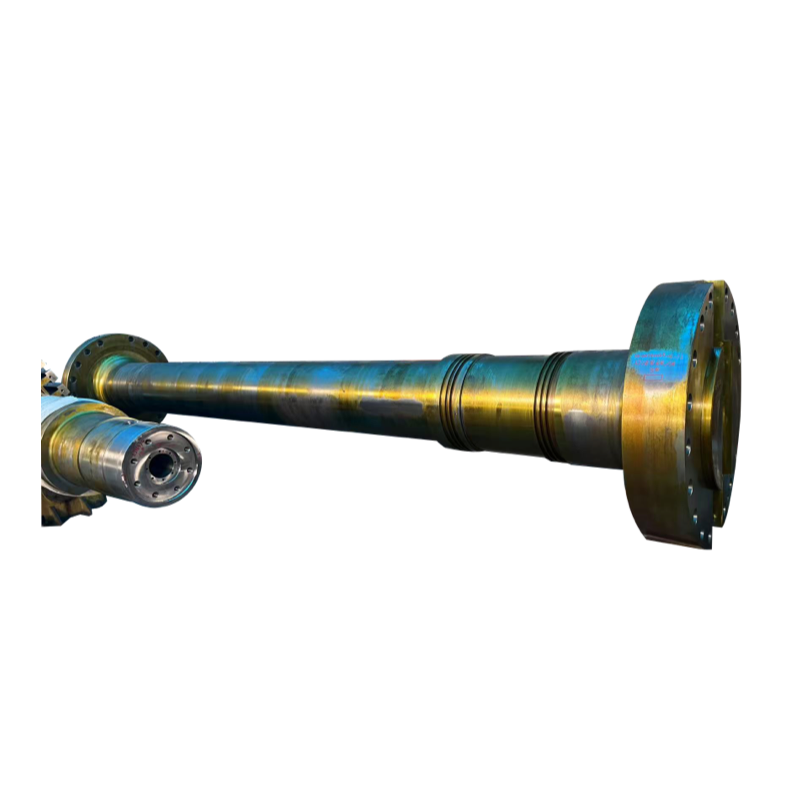

Shaft Body
The main torque-transmitting section, with controlled diameters and smooth transitions between functional areas.
TOTEM / Marine propulsion components
Custom machining for the shaft that transfers torque to your propeller. Built around vessel type, transmission power and installation requirements.
01 / Product overview
The marine propeller shaft, also called a screw shaft or tailshaft, transfers power through the propulsion system to the propeller. TOTEM provides custom machining for vessel-specific requirements.
Product dimensions and acceptance requirements follow the project drawing.
02 / Construction
The shaft must fit the surrounding coupling, bearing, seal gland and propeller interfaces. Each functional area has a different role in assembly.
The main torque-transmitting section, with controlled diameters and smooth transitions between functional areas.
Connection geometry and end faces must match the coupling for accurate assembly.
The end interface is machined to the project drawing to connect the shaft with the propeller.
Mating surfaces require coordinated dimensional and surface-quality control.
03 / Operating conditions
Low-speed operation and high transmitted torque place demands on material strength and structural integrity.
Repeated loading makes fatigue performance, transition geometry and machining quality important.
Humidity, salt spray and vibration must be considered alongside shaft alignment and the condition of mating parts.
04 / Customization
TOTEM provides custom machining according to vessel type, transmission power and installation requirements. The drawing establishes the dimensions and relationships to be controlled.
| Project requirement | What to define for machining |
|---|---|
| Operating application | Vessel type, transmission power and installation conditions |
| Material requirements | Specified steel grade and material condition for the design |
| Shaft geometry | Overall length, section diameters, shoulders and transitions |
| Connection interfaces | Coupling connection and propeller mounting geometry |
| Critical fits | Bearing and seal interfaces, end faces and mating dimensions |
| Inspection criteria | Drawing requirements for dimensions, runout, coaxiality and straightness |
Have a shaft drawing or project specification? Contact TOTEM to discuss the machining requirements and installation interfaces.
Discuss Your Requirements05 / Manufacturing
The published propeller shaft process covers rough machining, semi-finishing and finishing, with dimensional stability and alignment carried through the machining sequence.
Outer diameters, shoulders and functional sections are turned progressively using defined reference surfaces.
Dimensional accuracy, roundness, surface finish and long-shaft deformation are considered during machining.
Rough turning establishes the connecting end and end-face geometry, leaving allowance for subsequent precision work.
06 / Quality inspection
The shaft inspection sequence addresses drawing compliance and the fit of the coupling connection.
Check shaft diameters, lengths, end faces and critical fit areas, together with runout, coaxiality and straightness.
Trial assembly with the coupling checks connection dimensions, contact conditions and assembly accuracy.
Finished-product weighing provides a reference for handling, transport and installation.
07 / Applications
Our marine propeller shafts are used in cargo ships, engineering vessels and offshore platform propulsion systems, with custom machining tailored to each project’s operating conditions and installation requirements.
Propeller shaft machining for the defined vessel propulsion arrangement.
Installation-specific shaft geometry and connection requirements.
Custom shaft components for applicable marine propulsion arrangements.
08 / Related products
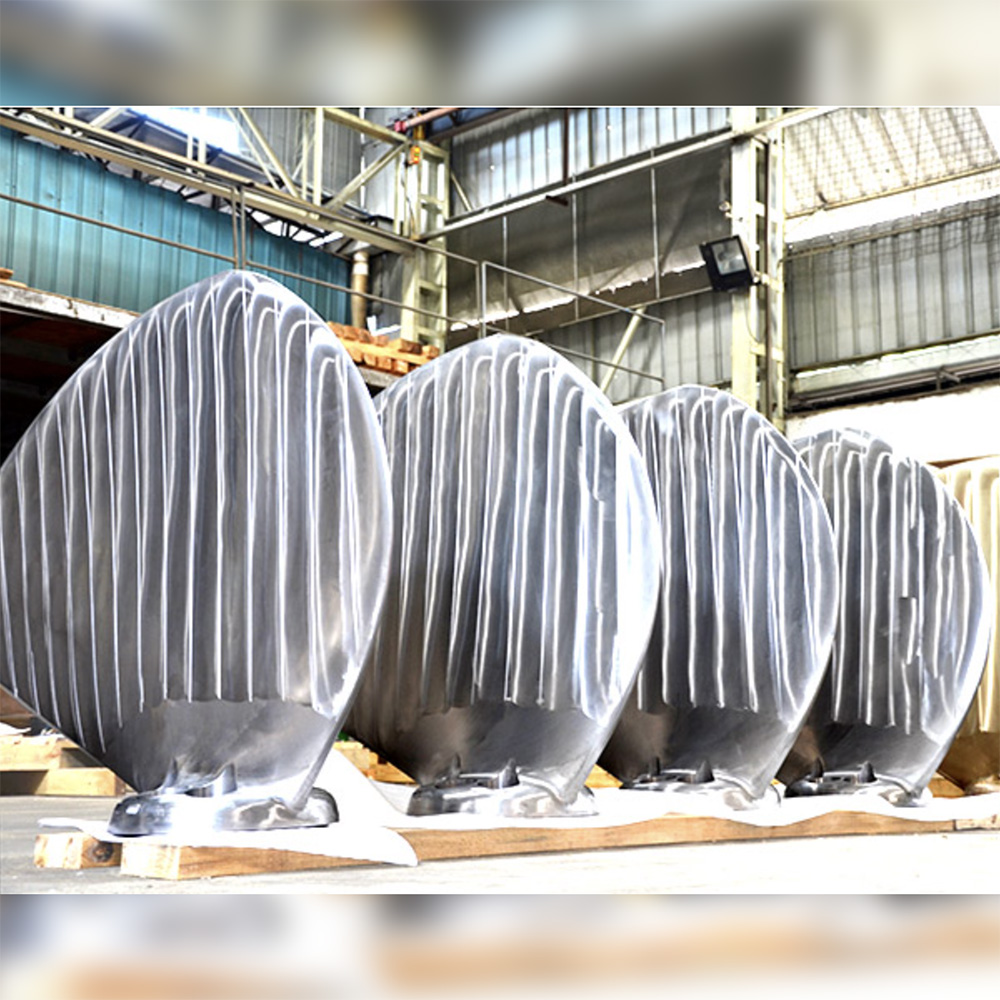
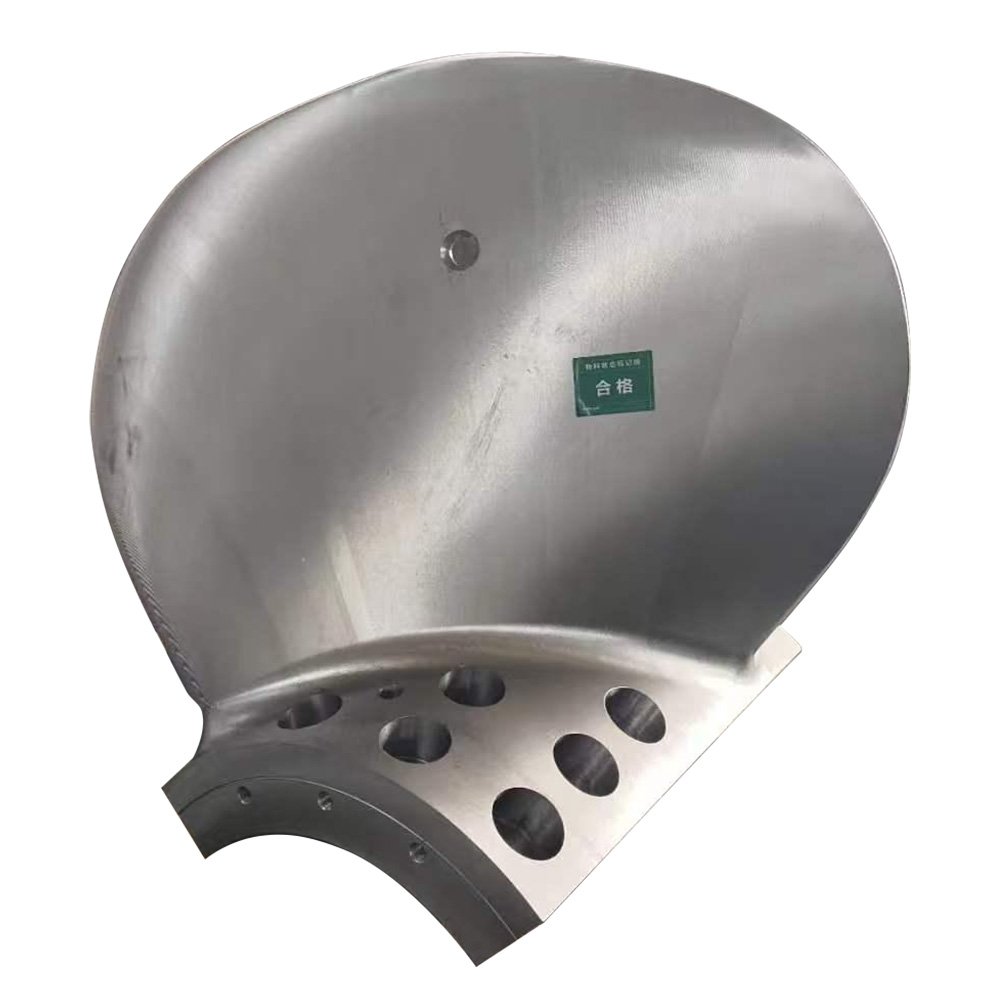
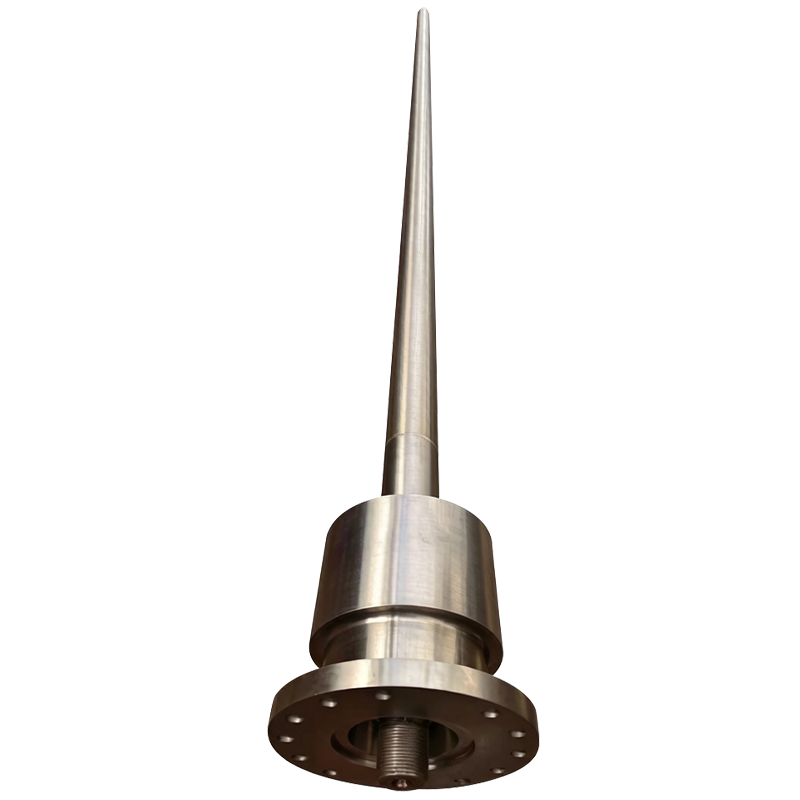
Explore related shaft sections and propeller components. These are separate product families within the marine propulsion range.
09 / Packaging and shipping
Before shipment, machined surfaces are cleaned and treated with anti-rust oil. Journals, coupling mating surfaces and threaded areas receive protective covering.
We select support and securing methods according to the shaft dimensions and shipping requirements, using wooden pallets, securing points and external steel reinforcement to protect the shaft during transport.
10 / Product questions
It transmits torque through the marine propulsion system to the propeller, enabling vessel propulsion.
Yes. We provide custom machining tailored to your vessel type, transmission power and installation requirements.
The shaft body, coupling connection, propeller mounting end, bearing interfaces and seal interfaces require coordinated control of dimensions and geometry.
No. Propellers and propeller blades are related propulsion components. The shaft transmits torque; the propeller produces thrust.
Provide your drawing or available dimensions, vessel type, transmission power, installation interfaces, quantity and project requirements so the machining needs can be discussed.
Your next project
Share the shaft drawing and installation requirements with TOTEM. Start with the component, its interfaces and the conditions it needs to meet.