


| Material: | |
|---|---|
| Quantity: | |
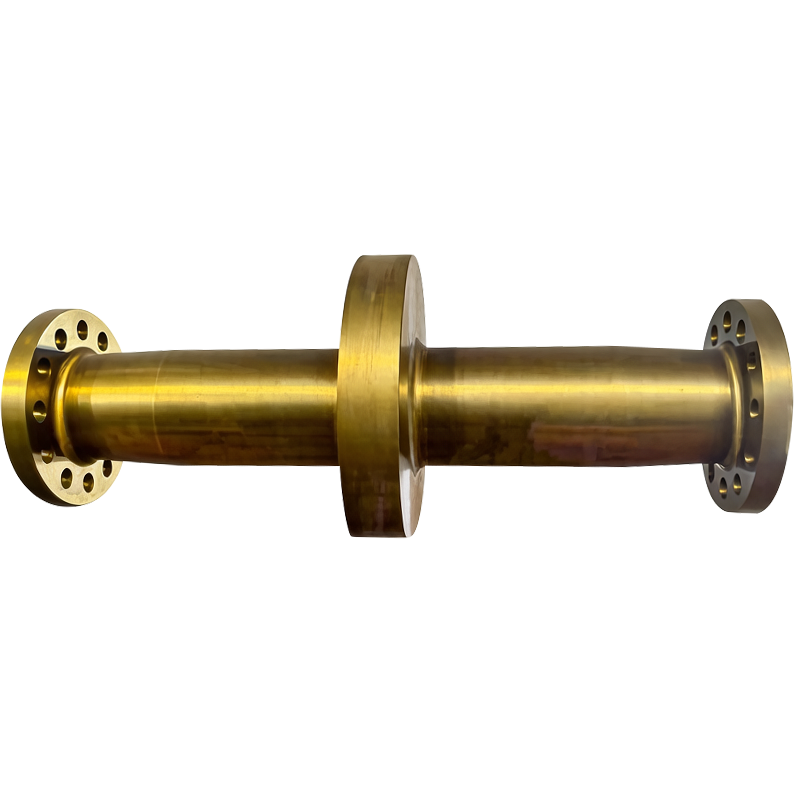
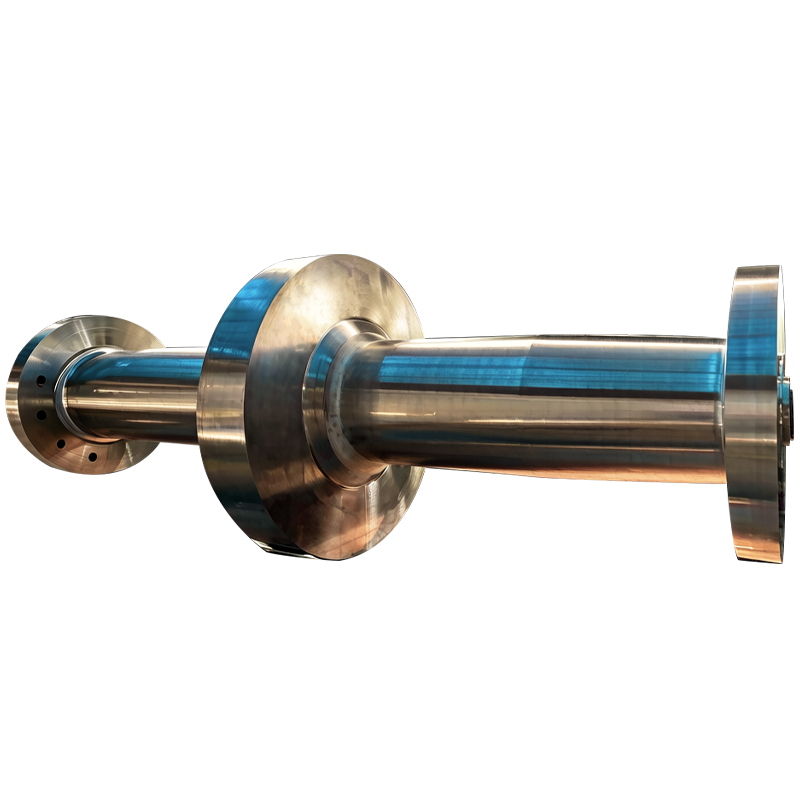
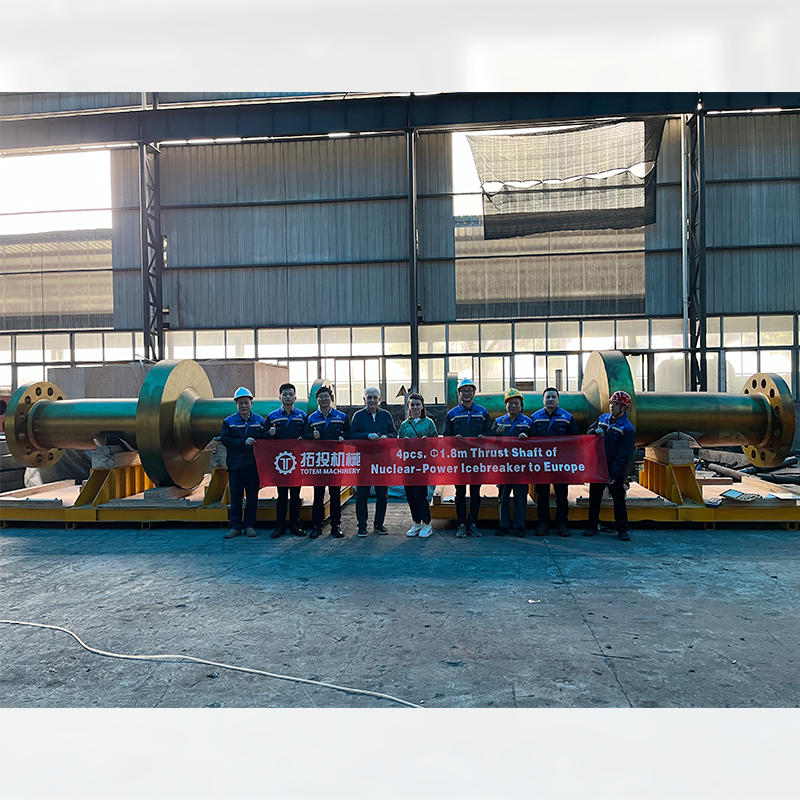
The 38CrNi3MoVA Forged Propulsion Shaft (heavy-duty thrust shaft) serves as the foundational load-bearing and torque transmission component for heavy-duty thrust bearing systems and large-scale rotating equipment. In demanding industrial environments, this thrust shaft is responsible for stably transferring the axial thrust generated during continuous equipment operation directly to the thrust bearings and foundation structures. Engineered from premium 38CrNi3MoVA alloy steel, this precision-forged transmission shaft is specifically designed for high-load, long-term continuous operation. The structural integrity, dimensional accuracy, and surface finish of this component directly determine the operational stability, safety, and overall service life of the entire power transmission system. By utilizing this specific industrial-grade alloy, the shaft provides an optimal balance of strength and toughness, effectively lowering the risk of unexpected mechanical failures and reducing long-term maintenance costs for heavy-duty procurement projects.
Thrust Shaft
Thrust Shaft
Thrust Shaft
Our transmission components are engineered to address the core challenges of heavy-duty rotational machinery, focusing on durability, precision, and environmental adaptability.
Manufactured to endure severe mechanical stress, our 38CrNi3MoVA forged drive shaft delivers highly reliable tensile strength, impact toughness, and anti-fatigue properties. Heavy-duty rotating equipment frequently subjects components to intense, alternating axial and radial loads. This shaft is structurally optimized to withstand these continuous forces without experiencing deformation or fracture over extended operational periods. For project managers and procurement engineers, this translates to a dependable transmission component that minimizes equipment downtime and supports continuous production schedules even under harsh working conditions.
Transmission efficiency and equipment longevity rely heavily on dimensional accuracy. Through strict control of straightness, coaxiality, and dimensional tolerance, this thrust shaft achieves precise transmission alignment. This strict dimensional control effectively minimizes mechanical transmission loss and significantly reduces equipment vibration during high-speed operation. Lower vibration levels protect surrounding bearings and seals from premature wear, ensuring the stability and efficiency of the full power transmission process while extending the maintenance cycles of the connected machinery.
The internal structural integrity of a forged shaft is critical for its performance in extreme environments. The controlled forging and cooling process guarantees a uniform and stable internal microstructure, avoiding internal defects such as inclusions and shrinkage cavities. This structural consistency allows the shaft to maintain stable physical properties when exposed to high temperatures, high humidity, and corrosive operational environments. It is specifically designed to meet the strict material requirements of demanding marine engineering and heavy industrial projects, providing dependable performance where standard materials might fail.
The following technical parameters outline the core specifications of our forged propulsion shaft. These data points are provided to assist engineering and procurement teams in verifying material compatibility, load capacity, and dimensional suitability for specific heavy-duty transmission projects.
Parameter | Standard Value & Customization Range |
Core Material | 38CrNi3MoVA High-Strength Alloy Steel |
Forging Process | Upsetting + Drawing Closed Die Forging |
Heat Treatment | Normalizing / Quenching and Tempering (Customizable) |
Core Performance | High Tensile Strength, Excellent Fatigue Resistance |
Critical Surface Roughness | Up to Ra0.4 |
Non-Destructive Testing | MT Full Inspection, Run-out Test, Full Dimensional Calibration |
Adaptation Standard | Compatible with Multiple International Marine & Industrial Standards |
Designed for versatility and endurance, our marine propulsion system forged thrust shaft is widely adapted to core transmission equipment across multiple heavy industries. Typical application scenarios include commercial ship propulsion systems, industrial steam turbines, hydro turbines, thermal power generating units, and various large-scale heavy-duty rotating machinery. In these demanding sectors, the shaft maintains stable power transmission performance under long-term, high-load continuous operation. It fully meets the strict regulatory and performance requirements of shipbuilding, power generation, and heavy industrial manufacturing projects, providing a dependable solution for critical power transmission infrastructure.
We strictly select premium 38CrNi3MoVA alloy steel as the foundational base material for our forged propulsion shafts. For heavy-duty transmission systems and marine propulsion applications, material integrity is the first line of defense against operational failure. By implementing stringent control over the chemical composition—specifically optimizing the chromium, nickel, molybdenum, and vanadium ratios—we ensure the final product delivers exceptional mechanical properties. This specific alloy formulation guarantees superior tensile strength, outstanding impact toughness, and high-level fatigue resistance. For procurement engineers and project managers, this means a significant reduction in the risk of shaft fracture or premature wear under continuous, high-torque operating conditions.
Our standardized manufacturing process follows a highly controlled, closed-loop system designed to maximize structural integrity and dimensional accuracy. Each phase is meticulously executed to transform raw alloy steel into a high-performance transmission component:
Forged blank forming: We utilize advanced forging techniques, including rigorous upsetting and drawing processes. Upsetting significantly improves the metal structure density and eliminates internal voids, while drawing shapes the designed shaft profile and aligns the internal grain flow with the operational stress direction, ensuring maximum load-bearing capacity.
Heat treatment and controlled cooling: To relieve internal stress generated during forging, the shafts undergo precise heat treatment and controlled cooling. This critical step guarantees a uniform, refined microstructure, providing the perfect balance of core toughness and surface hardness required for heavy-duty applications.
Multi-stage turning: Dimensional accuracy is achieved step-by-step through multi-stage turning. By separating rough turning, semi-finish turning, and finish turning, we effectively manage material deformation and residual stress, ensuring the final dimensions strictly adhere to your engineering tolerances.
Surface grinding: The critical journal sections and bearing mating surfaces undergo meticulous surface grinding. This optimizes the surface finish quality, minimizes friction, and ensures a perfect fit with bearings, thereby extending the overall service life of the transmission system.
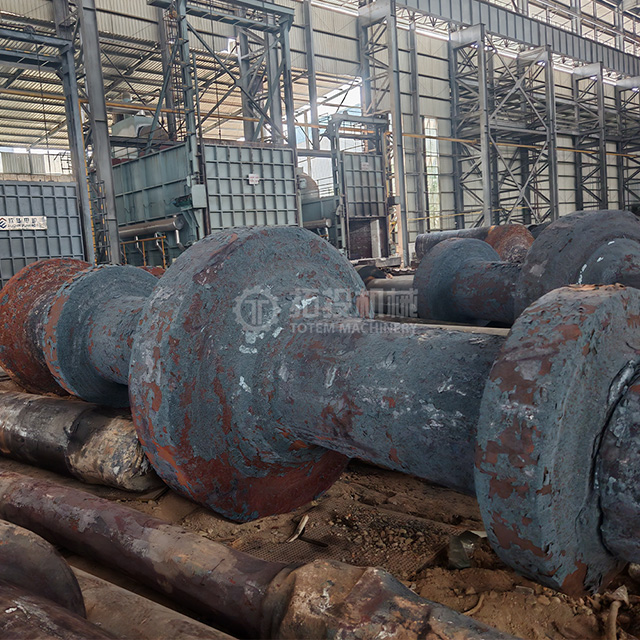
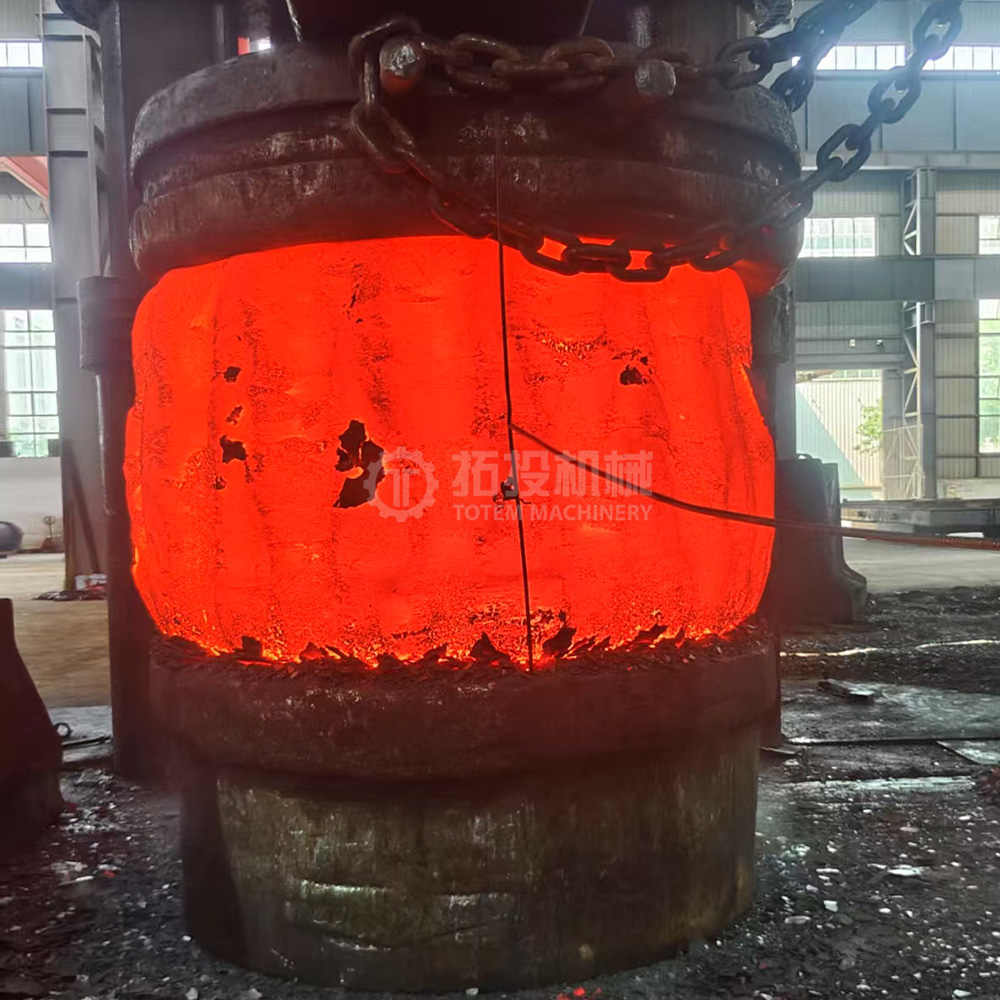
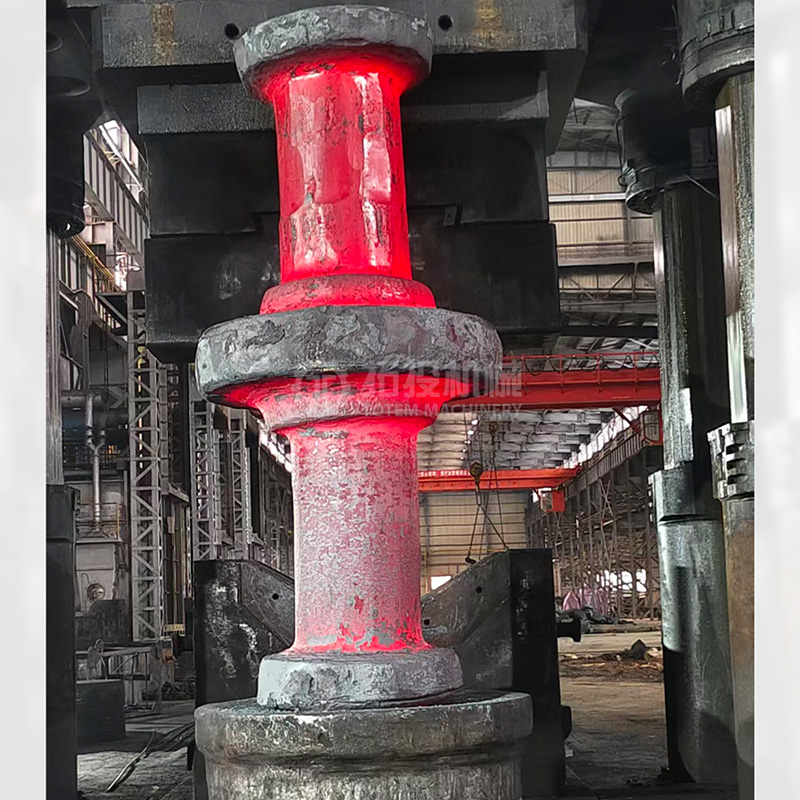
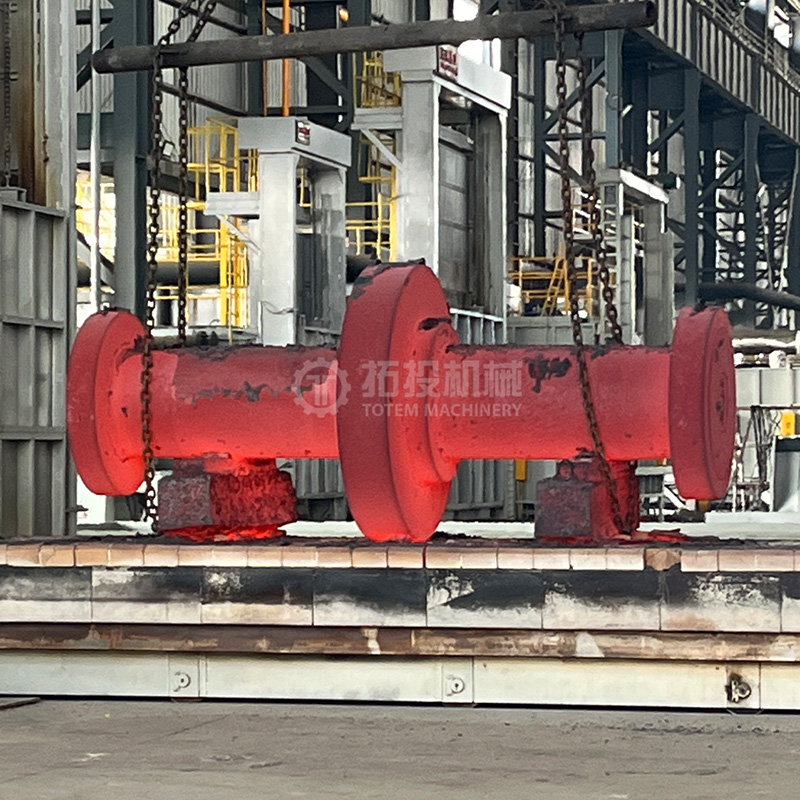
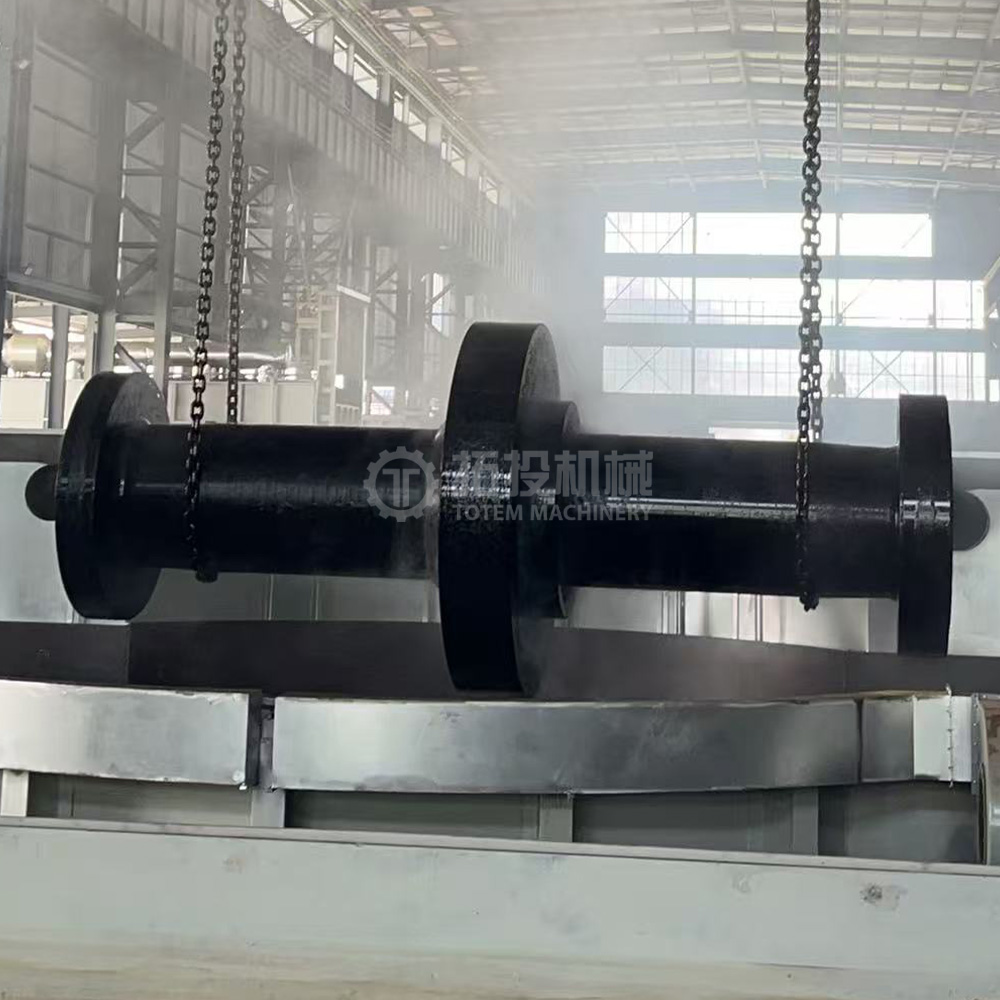
We fully support custom forged propulsion shaft manufacturing according to customer drawings and specific project requirements. Understanding that every industrial and marine application has unique demands, our engineering team tailors the machining process to accommodate different load capacities, rotational speeds, and complex working conditions. Whether your project requires specific dimensional tolerances, unique flange configurations, or compliance with multiple international marine and industrial technical standards, our flexible manufacturing capabilities ensure exact adherence to your specifications. This custom-centric approach helps buyers eliminate compatibility issues and streamlines the assembly process.
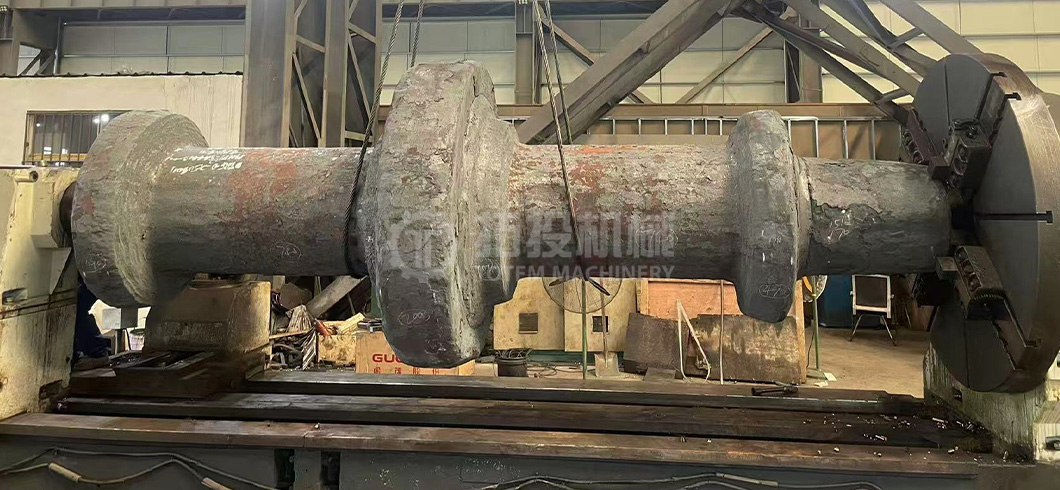
Beyond individual shaft manufacturing, we offer comprehensive supporting manufacturing services for key components of ship propulsion and heavy industrial systems. Centering on trunnion bearing and intermediate shaft bearing systems, our production scope includes intermediate shafts, marine thrust shafts, Michell bearing assemblies, and matching bearing structural parts. By providing a complete suite of perfectly matched components, we help shipbuilders and industrial clients build stable, highly reliable power transmission shaft systems. Sourcing these interrelated components from a single, capable manufacturer significantly reduces procurement complexity, ensures seamless mechanical integration, and guarantees consistent quality across the entire propulsion drivetrain.
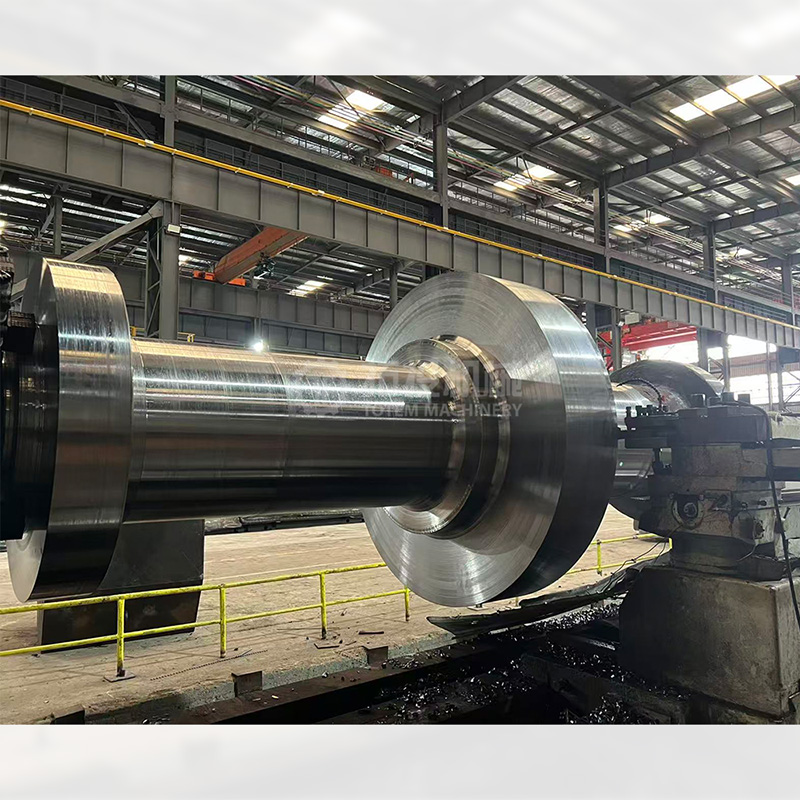
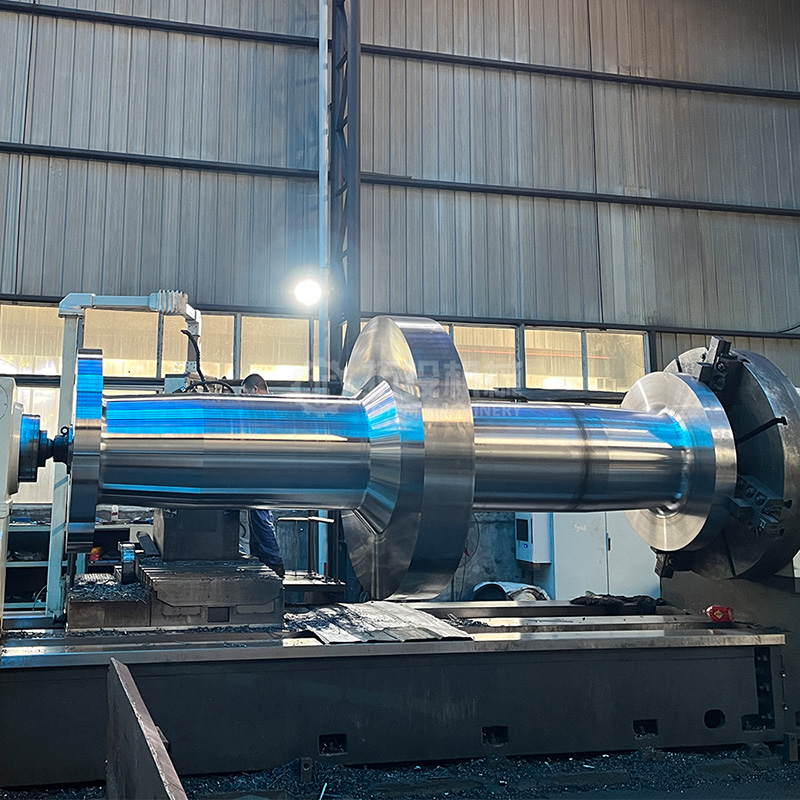
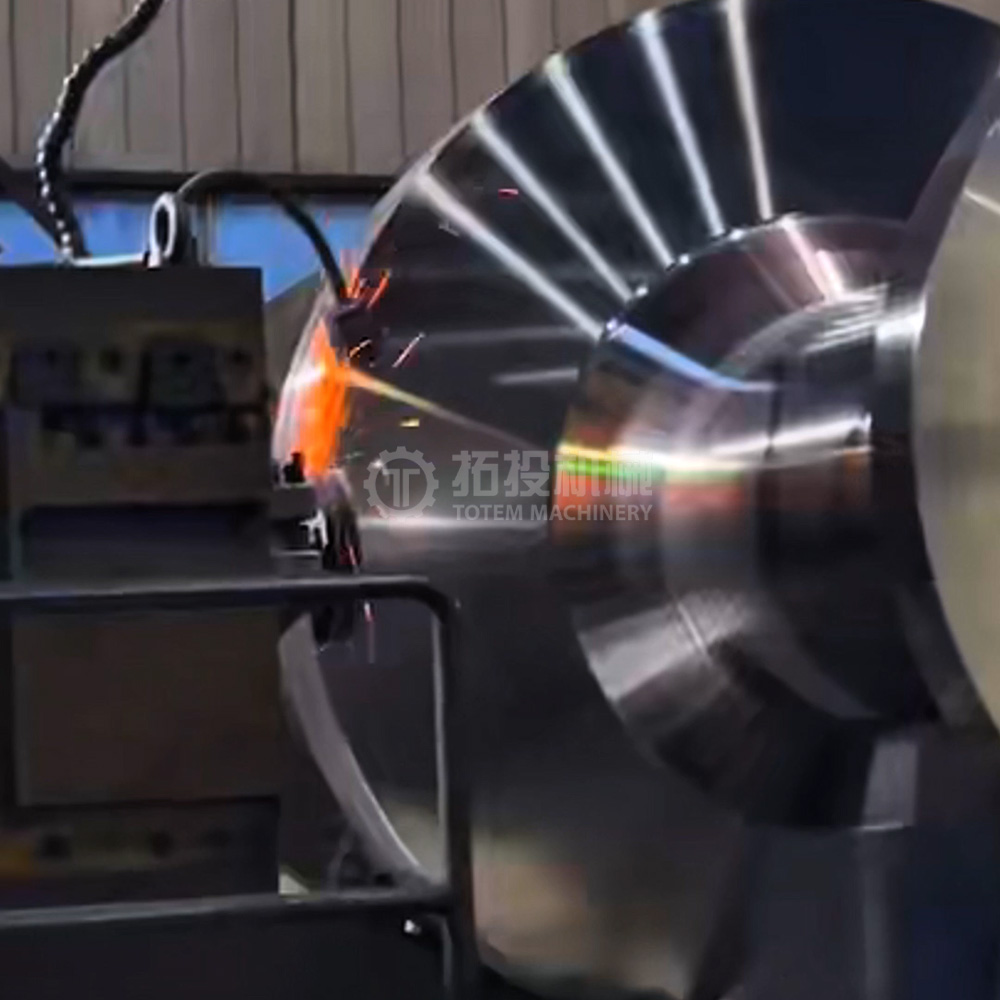
To guarantee the uncompromising reliability of our 38CrNi3MoVA Forged Propulsion Shafts for heavy-duty transmission systems, we implement a rigorous, multi-stage product inspection protocol. In demanding marine and industrial applications, even minor deviations can lead to significant operational inefficiencies or system failures. Therefore, our systematic quality control process is designed to verify every critical parameter, ensuring that each marine thrust shaft delivers exceptional performance, structural integrity, and seamless assembly for our clients.
For heavy-duty transmission systems, rotational stability is paramount. Our comprehensive run-out testing meticulously evaluates the straightness and coaxiality of the forged propulsion shaft to meet strict assembly requirements. By utilizing advanced dial indicators and precision alignment tools, we verify that the shaft rotates consistently without eccentric movement. This strict adherence to coaxiality standards is essential for preventing excessive vibration during high-speed or high-torque operations, thereby minimizing abnormal wear on supporting bearings and ensuring smooth, efficient power transmission.
The surface finish of critical shaft sections—particularly bearing journals and sealing areas—directly impacts the longevity of the entire transmission system. Through precise roughness testing, we quantify the microscopic surface texture of these vital zones. Achieving the specified surface roughness reduces friction between moving parts, prevents premature wear of mechanical seals, and optimizes lubrication efficiency. This meticulous verification guarantees that the propulsion shaft will operate reliably over extended periods with minimal maintenance requirements.
Given the extreme torsional stresses endured by heavy-duty propulsion shafts, structural integrity cannot be compromised. We conduct thorough Magnetic particle testing (MT), a highly effective non-destructive examination (NDE) method, to detect any potential surface or near-surface discontinuities. By magnetizing the shaft and applying magnetic particles, even the most minute micro-cracks, inclusions, or forging flaws become visible under specialized inspection. This critical safety check ensures that no hidden defects compromise the fatigue resistance and load-bearing capacity of the final product.
Accurate dimensional control is critical for seamless integration into complex transmission assemblies. Our quality control technicians perform precise external diameter measurements using calibrated micrometers and specialized gauging equipment. We verify all critical mounting diameters, coupling fits, and bearing journals against strict engineering tolerances. This rigorous dimensional inspection eliminates the risk of assembly interference, prevents costly installation delays, and ensures a perfect fit within your specific heavy-duty machinery.
Run-out Test
Roughness Test
MT
External Diameter Measurement
This systematic and rigorous inspection process ensures that every thrust axle and propulsion shaft strictly meets all design specifications and operational requirements before delivery. By prioritizing precision measurement and defect detection, we provide our clients with highly reliable transmission components that significantly reduce procurement risks and deliver long-term operational stability in the most demanding environments.
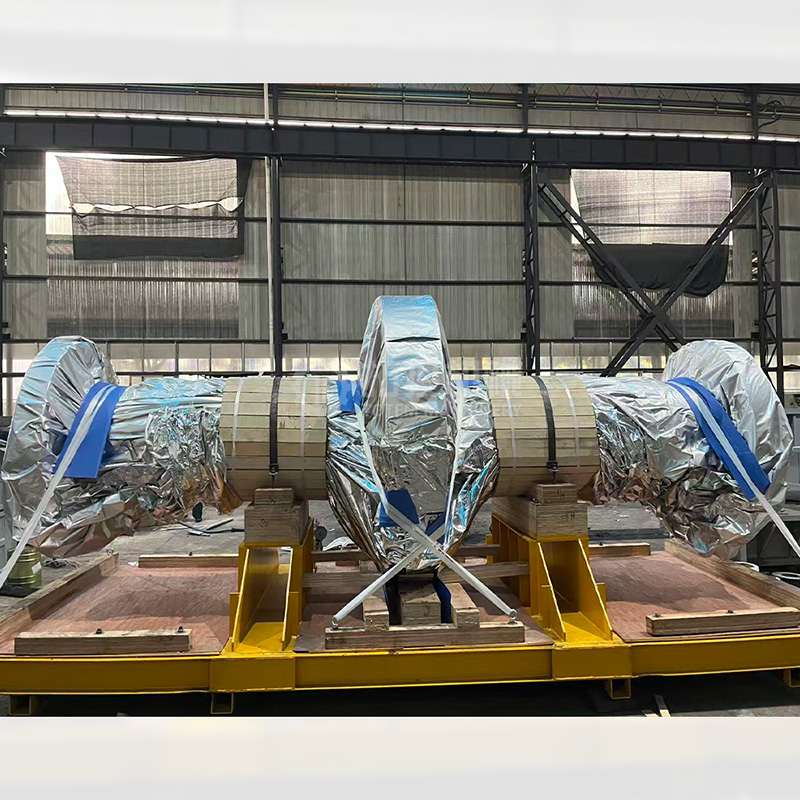
Transporting large-scale 38CrNi3MoVA forged propulsion shafts requires meticulous planning to prevent mechanical damage, dimensional deformation, and environmental corrosion. We have engineered a highly secure export packaging protocol designed specifically for heavy industrial components, ensuring your critical transmission parts arrive at your facility in factory condition, ready for immediate installation.
Our comprehensive packaging strategy addresses all potential transit risks, from ocean humidity to physical impact. We implement a rigorous three-layer protection system:
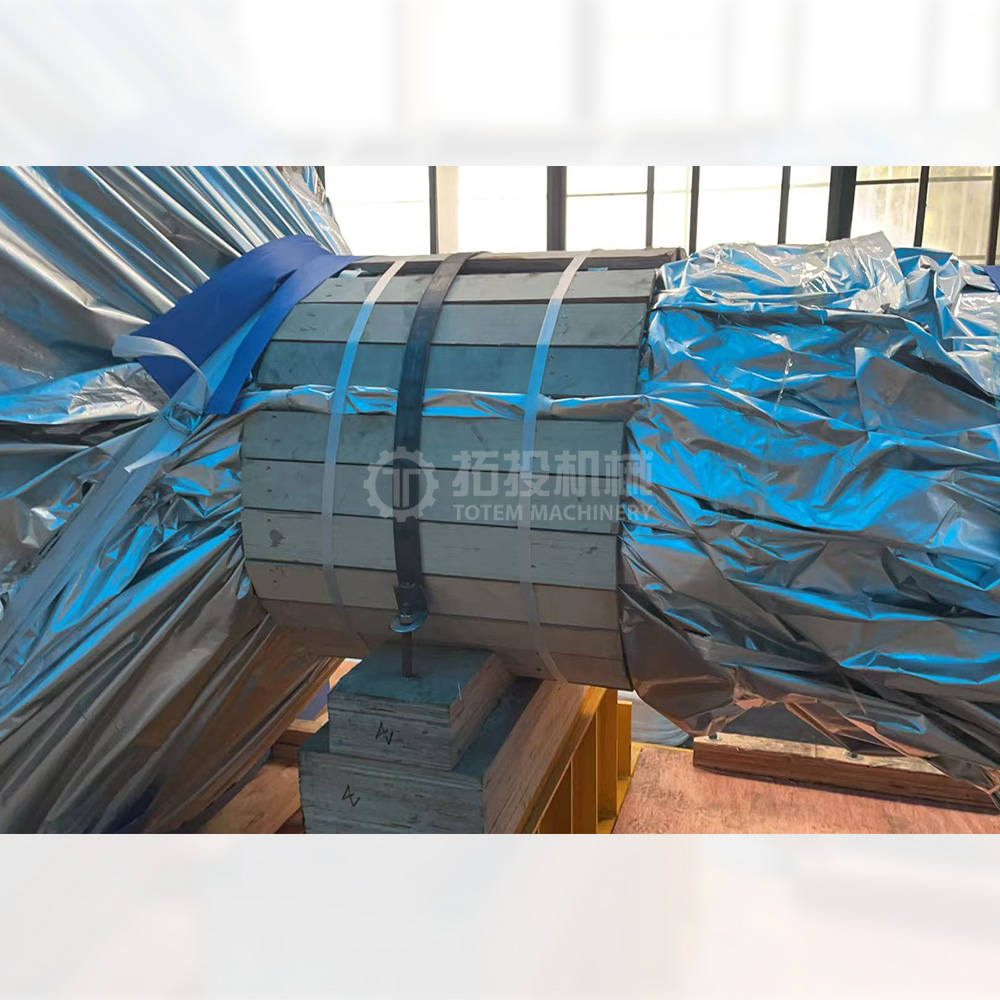
Inner layer (Moisture & Oxidation Barrier): All critical machined surfaces, bearing journals, and splines are thoroughly coated with industrial anti-rust oil. The entire shaft is then tightly wrapped in VCI (Volatile Corrosion Inhibitor) anti-corrosion paper, creating a sealed micro-environment that effectively isolates the metal from air, salt, and moisture during long sea voyages.
Cushioning layer (Impact & Displacement Protection): To prevent micro-bending or surface scratches, the shaft is encased in full-wrap pearl cotton and high-density foam rubber pads. We also utilize customized, precision-cut anti-rolling wooden support blocks that cradle the shaft, absorbing transit vibrations and preventing any internal displacement within the crate.
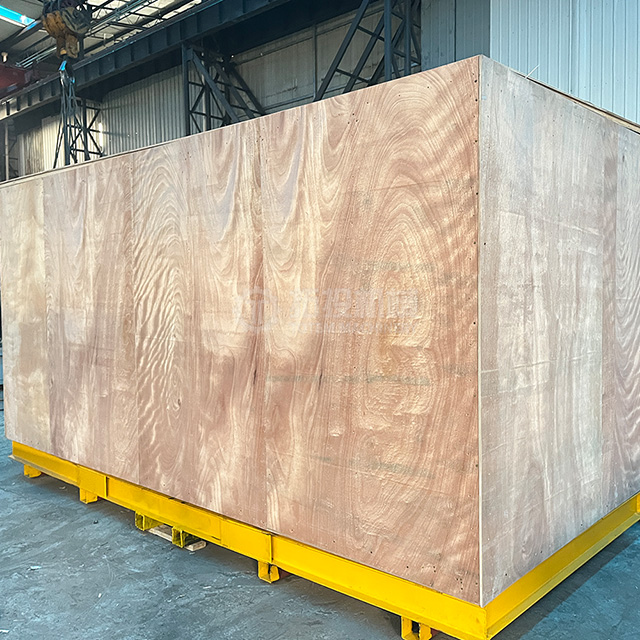
Outer layer (Structural Integrity): The final enclosure is a heavy-duty export wooden case engineered for high load-bearing capacity. Reinforced with steel banding and designed with specific lifting points, these crates safely accommodate the substantial weight of forged propulsion shafts and are fully suitable for complex sea, land, and air transportation logistics.
Understanding that every project has unique delivery timelines and destination requirements, we offer fully customized shipping solutions. Depending on the specific dimensions of the propulsion shaft and the client's project schedule, we adjust the protection grade, cushioning methodology, and outer case structural design. Our logistics team ensures secure container loading, proper lashing, and bracing to adapt to varying long-distance transportation conditions, facilitating smooth customs clearance and safe unloading at your destination port.
Selecting a reliable manufacturer for heavy-duty transmission systems is critical to maintaining operational stability and minimizing equipment downtime. TOTEM MACHINERY brings specialized expertise to the production of precision shaft components for demanding industrial applications.
We operate a comprehensive manufacturing facility that controls every stage of production, from initial blank forging and advanced heat treatment to final precision machining. By keeping the entire process in-house, our professional technical team maintains strict oversight over material integrity and dimensional accuracy. This full-process quality control system ensures that every 38CrNi3MoVA shaft meets exact engineering specifications, delivering consistent mechanical performance and long-term durability for heavy industry applications.
TOTEM MACHINERY has built a proven track record of serving critical sectors worldwide, including shipbuilding enterprises, heavy equipment manufacturers, power plant operators, and large-scale engineering project integrators. We are committed to providing dependable transmission products, flexible customization services, and full-cycle technical support. Our goal is to help clients optimize their supply chain, improve overall equipment operation efficiency, and significantly reduce long-term project maintenance costs through reliable engineering solutions.


