


| Quantity: | |
|---|---|

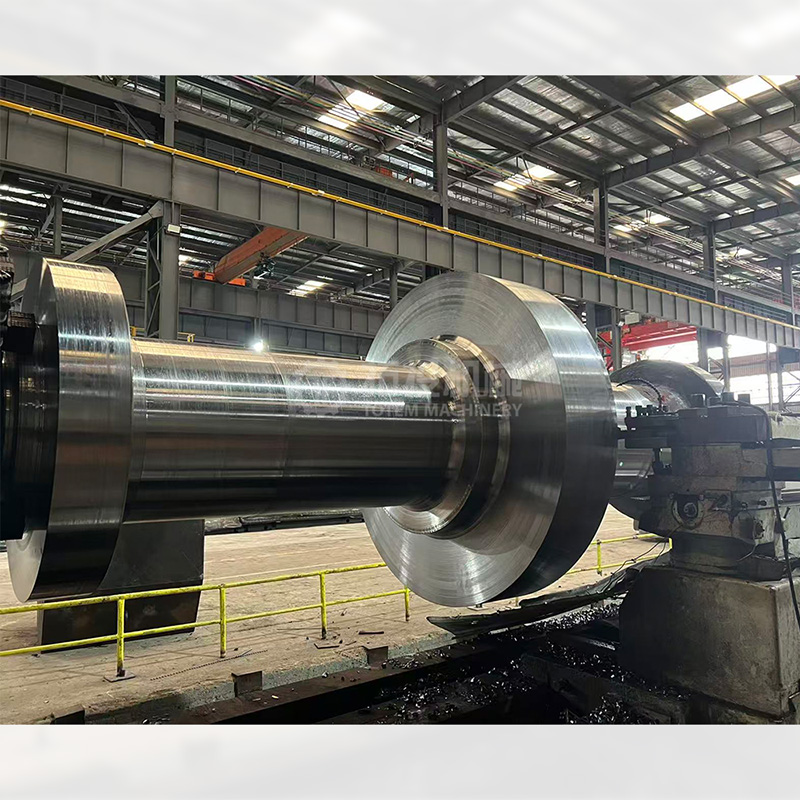
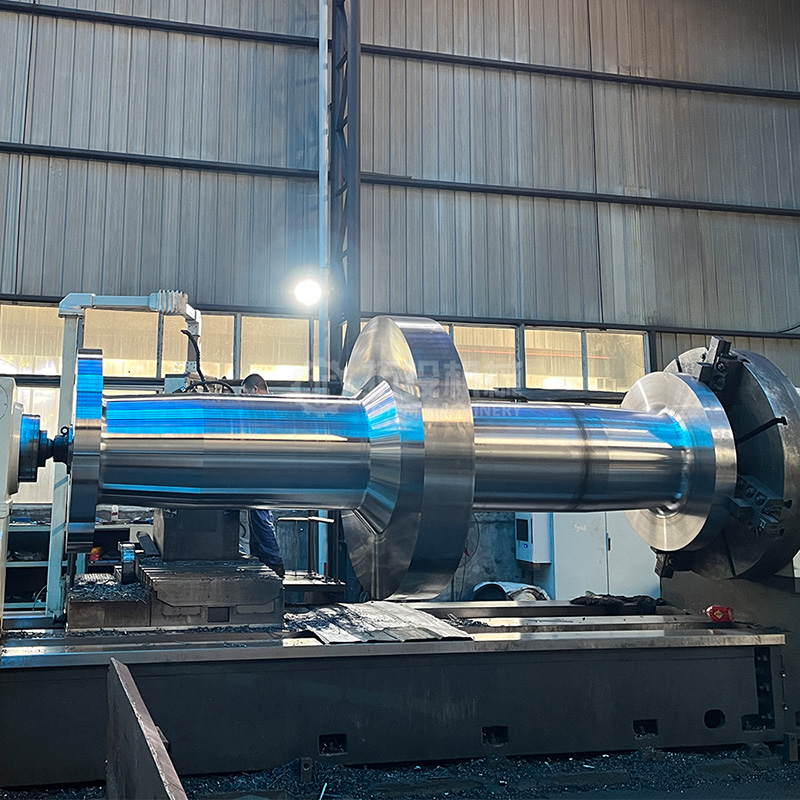
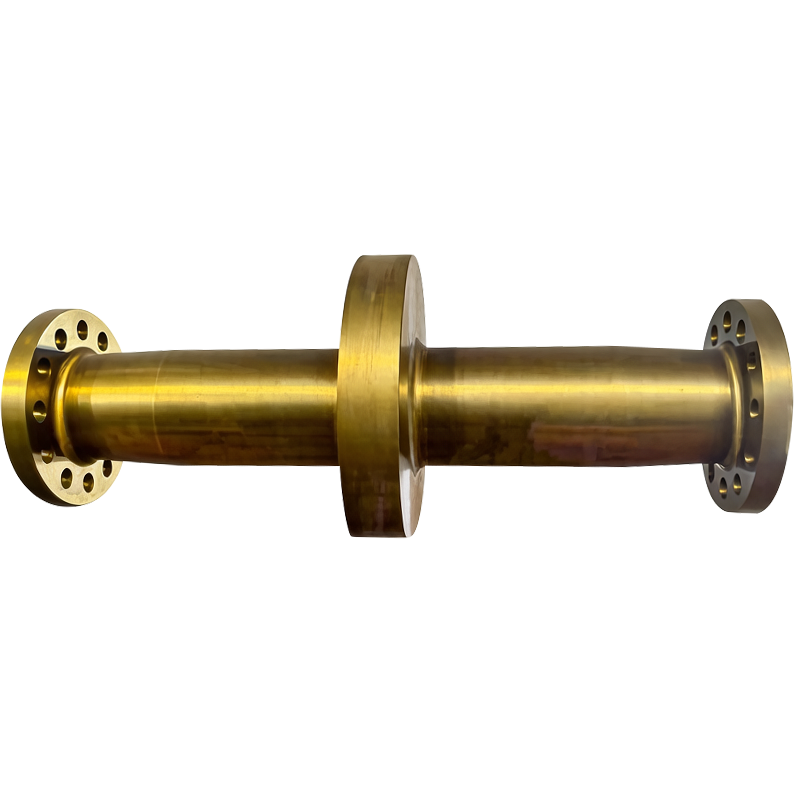
Premium Material Selection: Made of high-quality 38CrNi3MoVA forged steel, the marine thrust shaft has optimized grain structure, excellent overall strength, and strong fatigue resistance, suitable for long-term high-load operation in harsh marine environments.
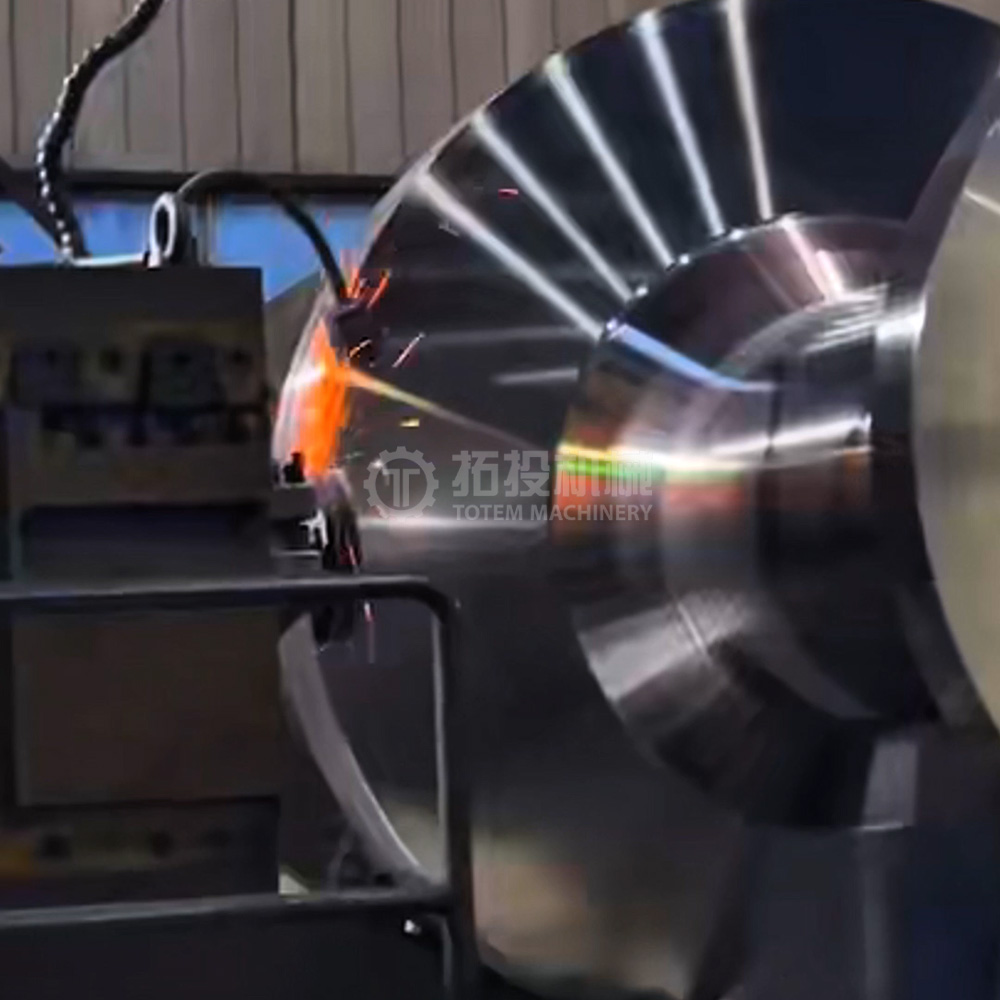
Precision Machining Process: Adopts integrated forging, heat treatment, rough turning, semi-finish turning, finish turning, and surface grinding processes, ensuring high dimensional accuracy, good coaxiality, and low surface roughness of the thrust shaft.
Strict Quality Inspection: Each marine thrust shaft undergoes systematic inspections, including Run-out Test (for straightness and coaxiality), Roughness Test (for surface quality), Magnetic Particle Testing (MT) (for surface defects), and External Diameter Measurement (for precise size control), ensuring no defective products leave the factory.
Durable & Reliable Performance: After professional heat treatment (normalizing or quenching and tempering) and controlled cooling, the thrust shaft has stable microstructure, no internal stress, and strong dimensional stability, effectively extending the service life of the entire marine propulsion system.
Customizable Specifications: We provide customizedmarine thrust shaft solutions, including size, structure, machining accuracy, and surface treatment, to meet different marine propulsion system models and project requirements.
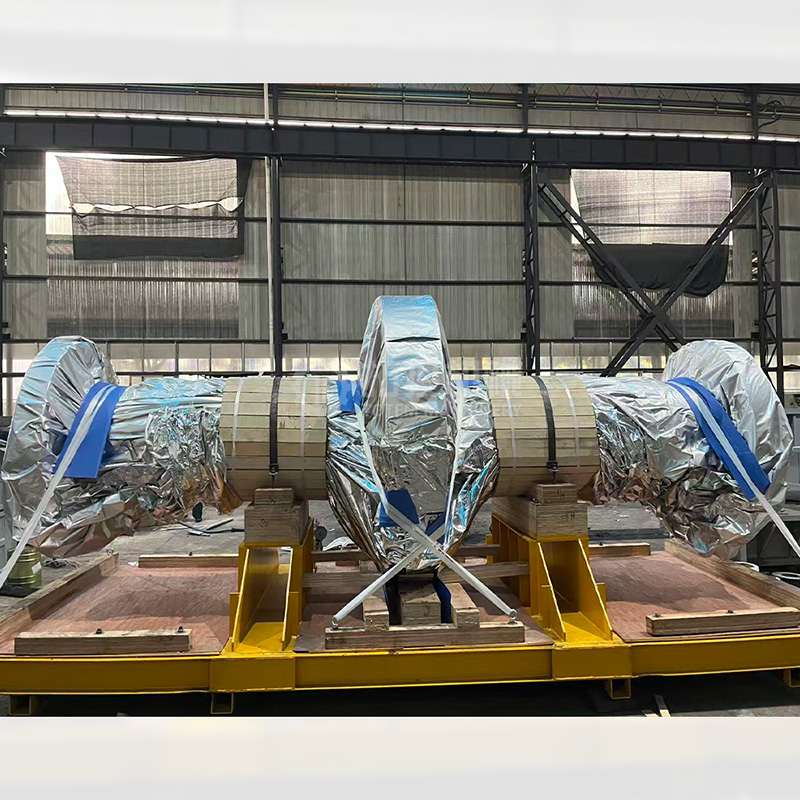
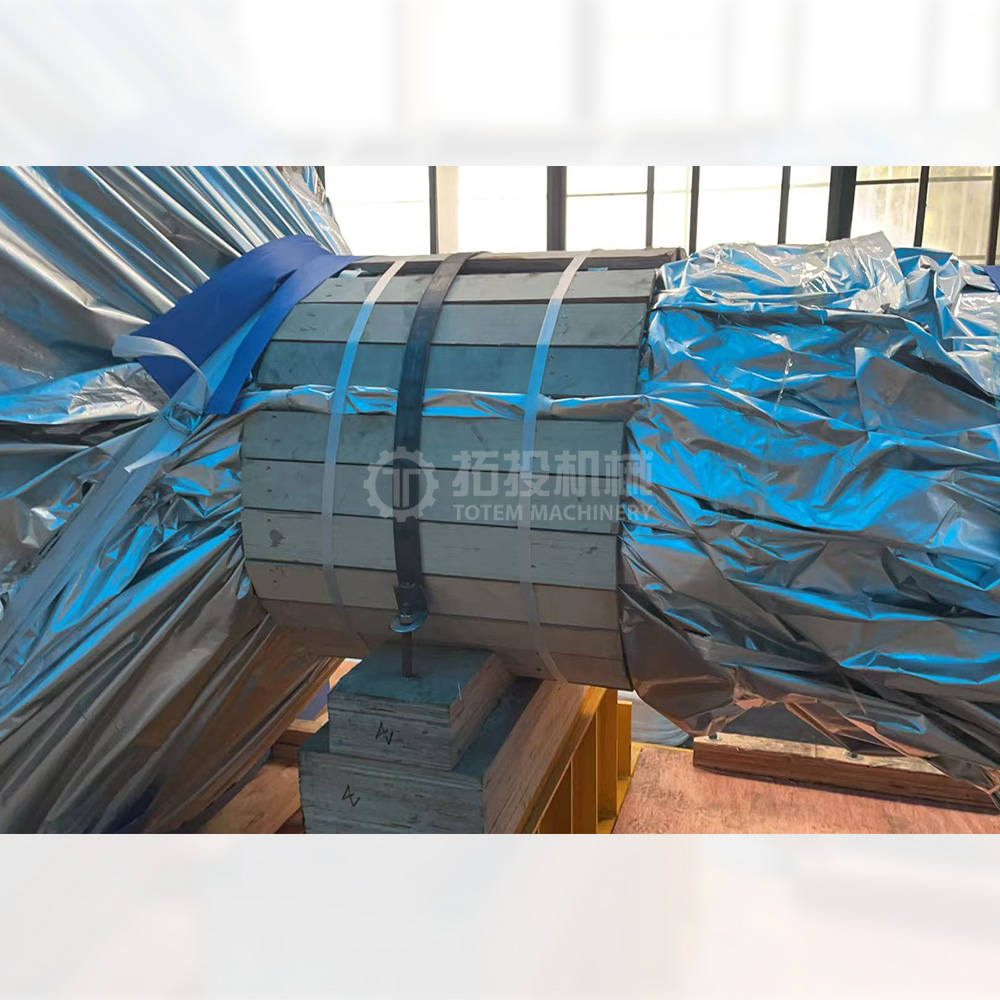
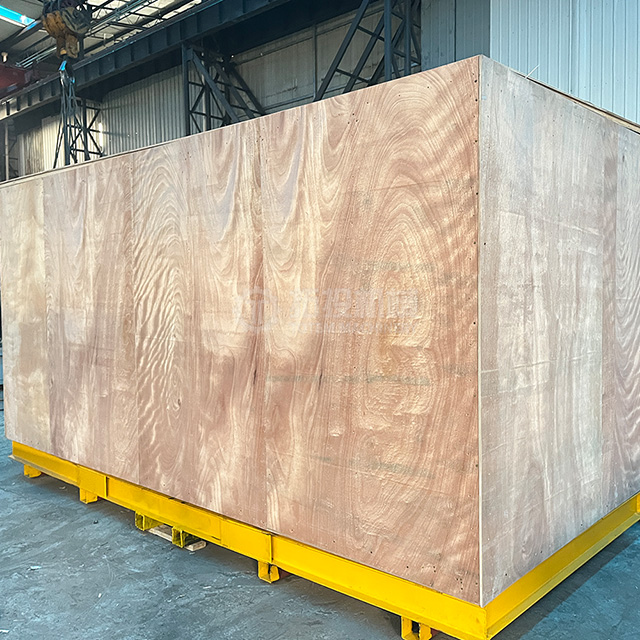
Professional Packaging Protection: Adopts multi-layer export packaging, including inner protective layer, cushioning fixation layer, and outer reinforced packaging, preventing corrosion, impact, and deformation during sea, land, or air transportation.
Professional Manufacturing Strength: As a professional marine thrust shaft manufacturer, we have complete production lines from raw forging to finished product delivery, with rich experience in producing critical shafts formarine and heavy-duty machinery industries, ensuring stable production capacity and product consistency.
Strict Quality Control System: We have a complete quality inspection system and professional inspection equipment, implementing full-process quality monitoring from raw material selection to finished product delivery, ensuring each marine thrust shaft meets design specifications and industry standards.
Customization Capability: We can provide customizedmarine thrust shaft solutions according to customer drawings, specifications, and project requirements, including material adjustment, structural optimization, and packaging customization, fully meeting the personalized needs of different customers.
Cost-Effective Supply Chain: We have long-term cooperation with high-quality raw material suppliers, integrating production, processing, and inspection, reducing intermediate links, and providing customers with high-quality marine thrust shafts at competitive prices.
Comprehensive Service Support: We provide one-stop service from pre-sales consultation (technical communication, drawing confirmation) to in-sales (production progress feedback) and after-sales (quality guarantee, technical guidance), solving all customer worries in the purchasing process of marine thrust shafts.
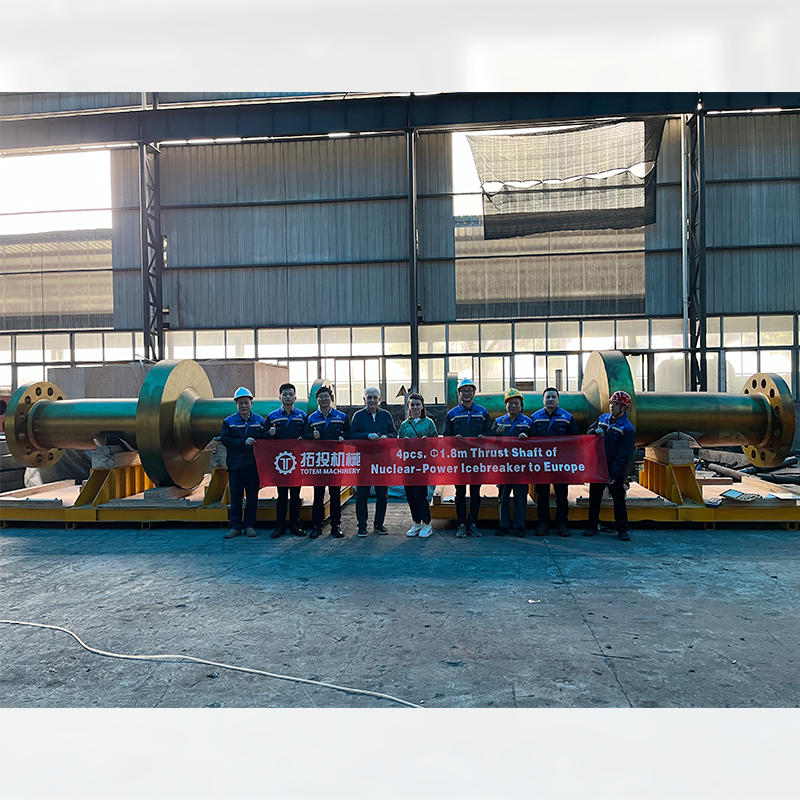
Our 38CrNi3MoVA heavy duty marine thrust shaft is mainly applied to marine propulsion systems, which is the core component to ensure the normal operation of ship propulsion. It is widely used in various types of ships, including:
Cargo ships (bulk carriers, container ships, oil tankers)
Passenger ships and cruise ships
Fishing boats and work ships
Military ships (coastal defense ships, patrol ships)
Special ships (offshore engineering ships, rescue ships)
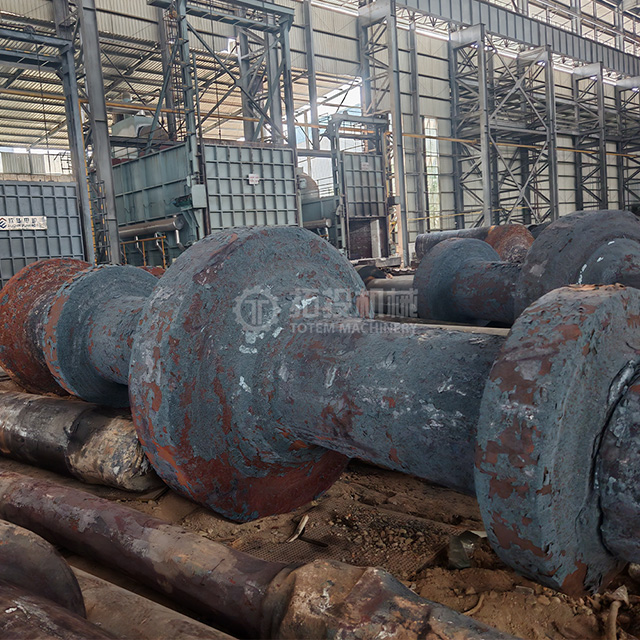
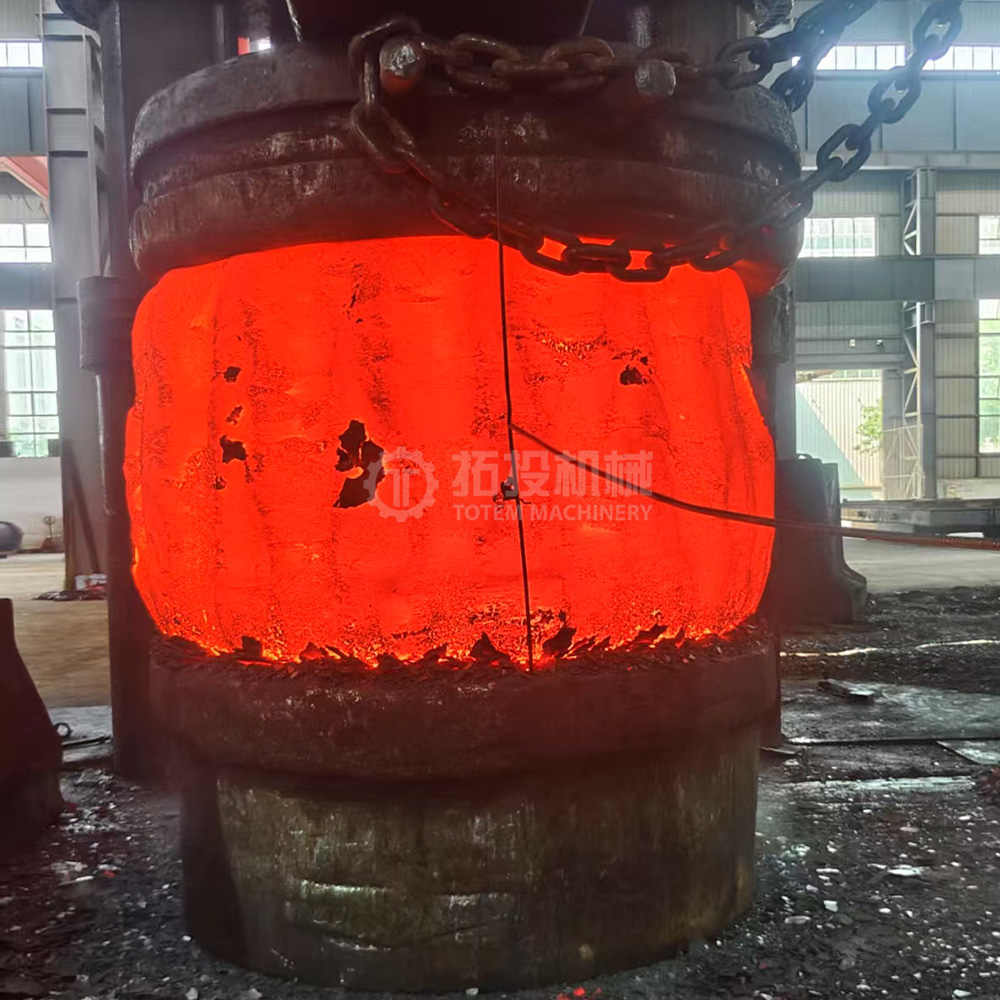
Forged blank forming (upsetting and drawing)
The marine thrust shaft is made from 38CrNi3MoVA forged steel. During forging, the upsetting process improves the density of the metal’s internal structure, followed by drawing to form a shaft shape that meets design requirements. This process helps optimize grain structure, enhance overall strength and fatigue resistance, and provide a solid foundation for subsequent machining of the marine thrust shaft.
Forging
Upsetting
Drawing
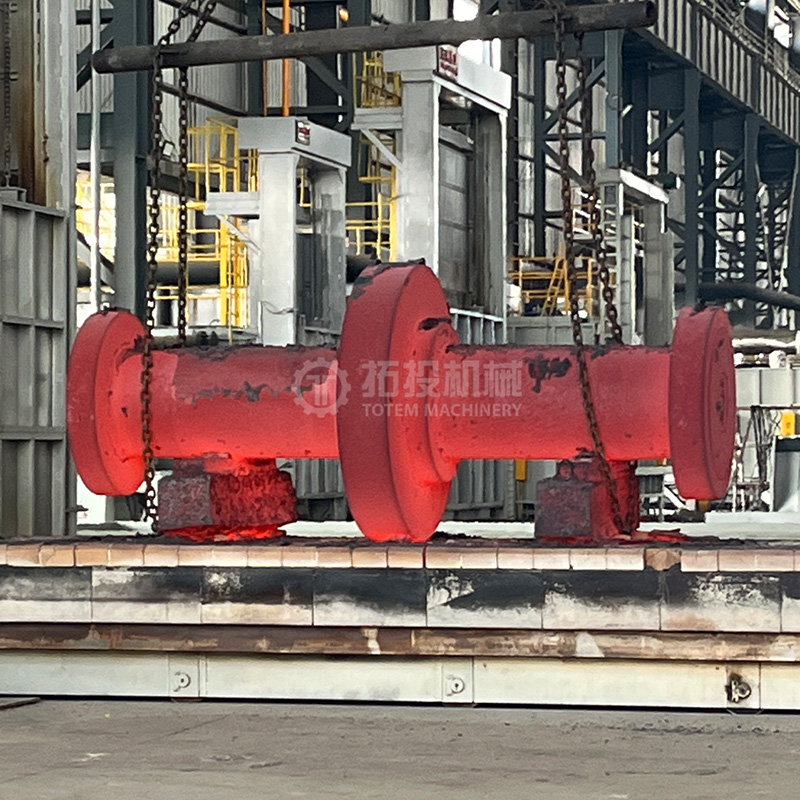
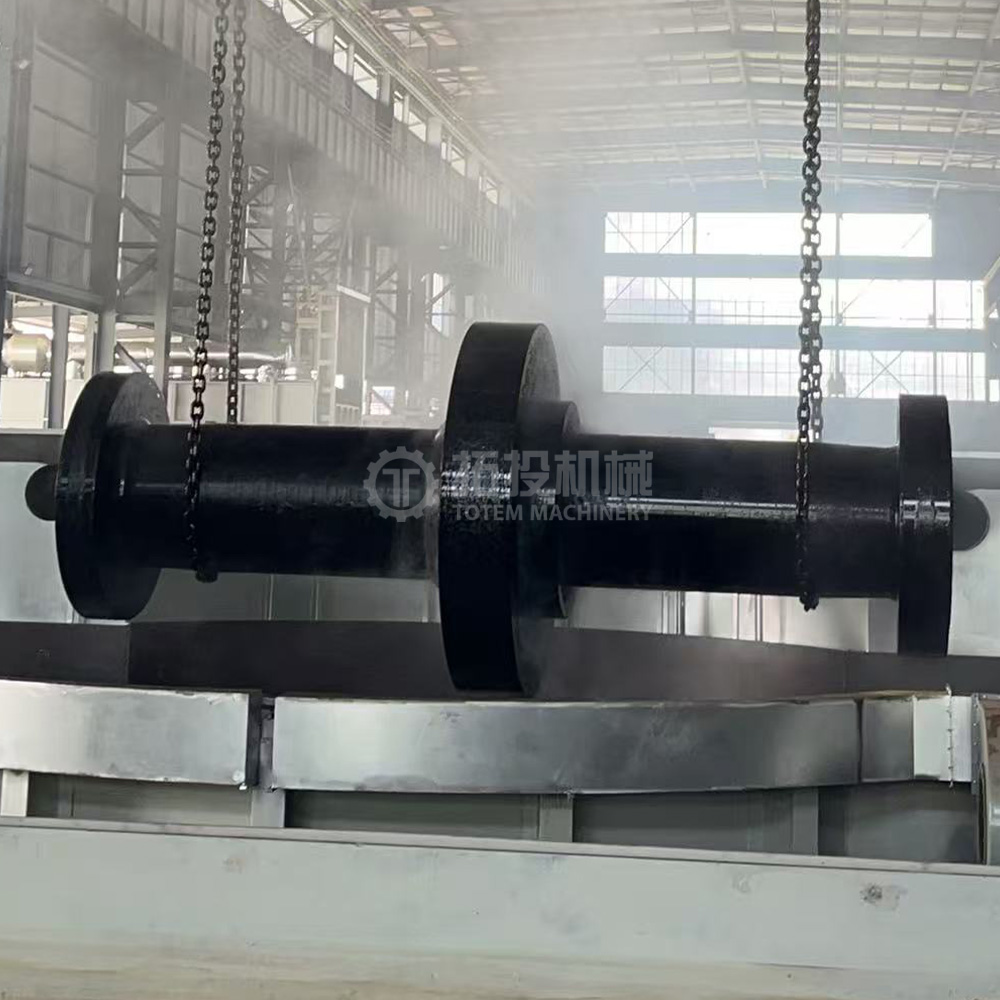
Heat treatment and controlled cooling
After forging, the blank undergoes appropriate heat treatment, such as normalizing or quenching and tempering, to relieve internal stresses and achieve uniform, stable
microstructure. Controlled cooling is then performed according to process requirements, ensuring good mechanical properties and dimensional stability of the marine thrust shaft, which is crucial for its long-term high-load operation in marine environments.
Heat Treatment
Quenching
Rough turning (removing excess material)
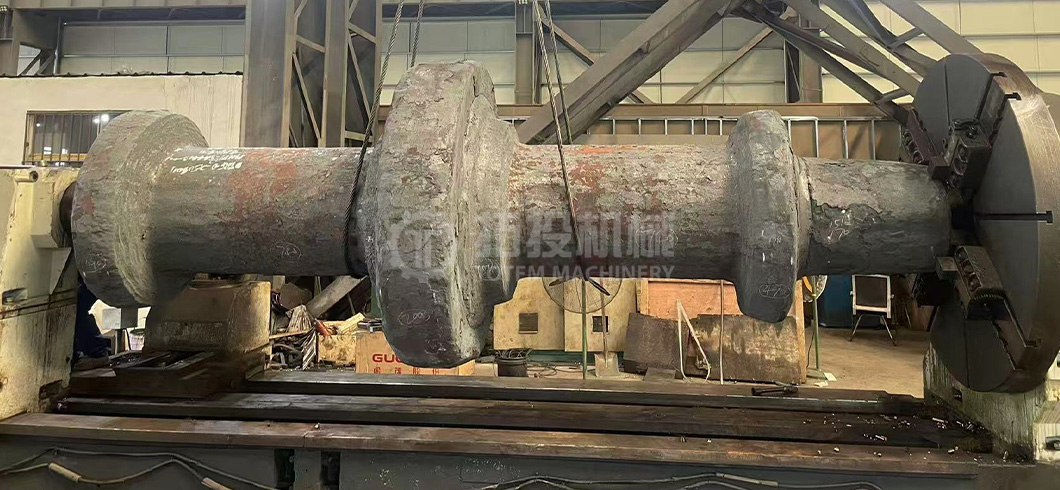
Semi-finish and finish turning
Surface Grinding and Finishing
Semi-Finish Turning
Finish Turning
Grinding
Run-out Test: Checks straightness and coaxiality of the marine thrust shaft to meet assembly requirements of marine propulsion systems.
Roughness Test: Verifies surface quality of critical shaft sections, ensuring low friction and long service life of themarine thrust shaft.
Magnetic particle testing (MT): Detects potential surface defects of the marine thrust shaft, avoiding safety hazards during operation.
External diameter measurement: Precise measurement using micrometers to ensure dimensional accuracy of the marine thrust shaft meets design standards.
Run-out Test
Roughness Test
MT
External Diameter Measurement
This systematic inspection process ensures that every thrust axle meets design specifications and operational requirements before delivery.
Inner Packaging
Detail
Outer Packaging