


| Quantity: | |
|---|---|
The Marine Grade 08MnCuNiV Bearing Seat is engineered as the core load-bearing foundation for heavy-duty marine propulsion systems. Manufactured from premium 08MnCuNiV cast steel, this bearing housing offers exceptional impact resistance and superior corrosion tolerance, making it highly suitable for demanding offshore and marine environments. As a critical component of the white metal bearing system, it provides dependable support and precise installation positioning for bearing bushings. By effectively transmitting the immense radial and axial loads generated by rotating shaft systems to the vessel's foundation or base structure, this bearing seat ensures operational stability, minimizes transmission energy loss, and significantly reduces the risk of mechanical failure during critical maritime operations.
Designed for continuous heavy-duty operation, the bearing seat utilizes an optimized cast or forged steel matrix to achieve uniform load distribution. This advanced structural rigidity provides outstanding tensile strength and resistance to mechanical deformation. It is specifically configured to withstand the intense radial forces and dynamic impact loads produced by marine shaft systems, effectively preventing structural fatigue even under prolonged heavy-load conditions.
Achieving precise integration within complex propulsion mechanisms requires strict dimensional accuracy. This bearing housing undergoes precise machining to guarantee exact compatibility with upper bearing covers, white metal liners, thrust shafts, and sealing components. By maintaining strict geometric tolerances, it ensures stable alignment of the entire shaft system. This precision significantly minimizes operational vibration, reduces friction-induced wear, and enhances the overall transmission efficiency of the maritime equipment.
Marine engineering components must withstand severe environmental challenges. This bearing seat is specifically adapted to endure high humidity, continuous salt spray exposure, and fluctuating dynamic loads. The structural design incorporates a substantial corrosion resistance margin, ensuring structural integrity over years of service. By preventing premature degradation, this reliable bearing support minimizes unexpected downtime, extends equipment maintenance cycles, and delivers proven long-term value for fleet operators and shipyards.
The following table outlines the standard parameters and available customization ranges for our marine bearing seats, providing essential data to assist engineers and procurement teams in accurate component selection for specific project requirements.
Parameter | Standard Value | Customization Range |
Material Grade | 35 Cast/Forged Steel | Carbon Steel, Low Alloy Steel as per request |
Main Machining Tolerance | ±0.02mm | ±0.01mm to ±0.05mm |
Inner Hole Coaxiality | ≤0.015mm | Customizable per drawing |
Surface Roughness of Mating Surface | Ra1.6μm | Ra0.8μm to Ra3.2μm |
Applicable Shaft Diameter Range | 50mm to 800mm | 20mm to 1200mm |
Core Testing Standards | Surface Penetrant Testing (PT), Kerosene Leakage Test | UT, MT as per industrial requirements |
Operating Condition Adaptation | Heavy Load, Low to Medium-High Speed | Customized for extreme working conditions |
The marine propulsion system bearing seat is primarily designed for the main propulsion shaft systems of ocean-going cargo vessels, inland waterway transport ships, and specialized offshore engineering platforms. Beyond marine applications, its dependable load-bearing capabilities make it widely applicable in white metal bearing systems for marine water turbines, steam turbines, large-scale generator sets, and heavy industrial rotating machinery. Whether utilized in mobile maritime fleets or fixed industrial installations, this bearing seat provides a secure load transmission solution, ensuring the safe and continuous operation of core rotating equipment across diverse industrial sectors.
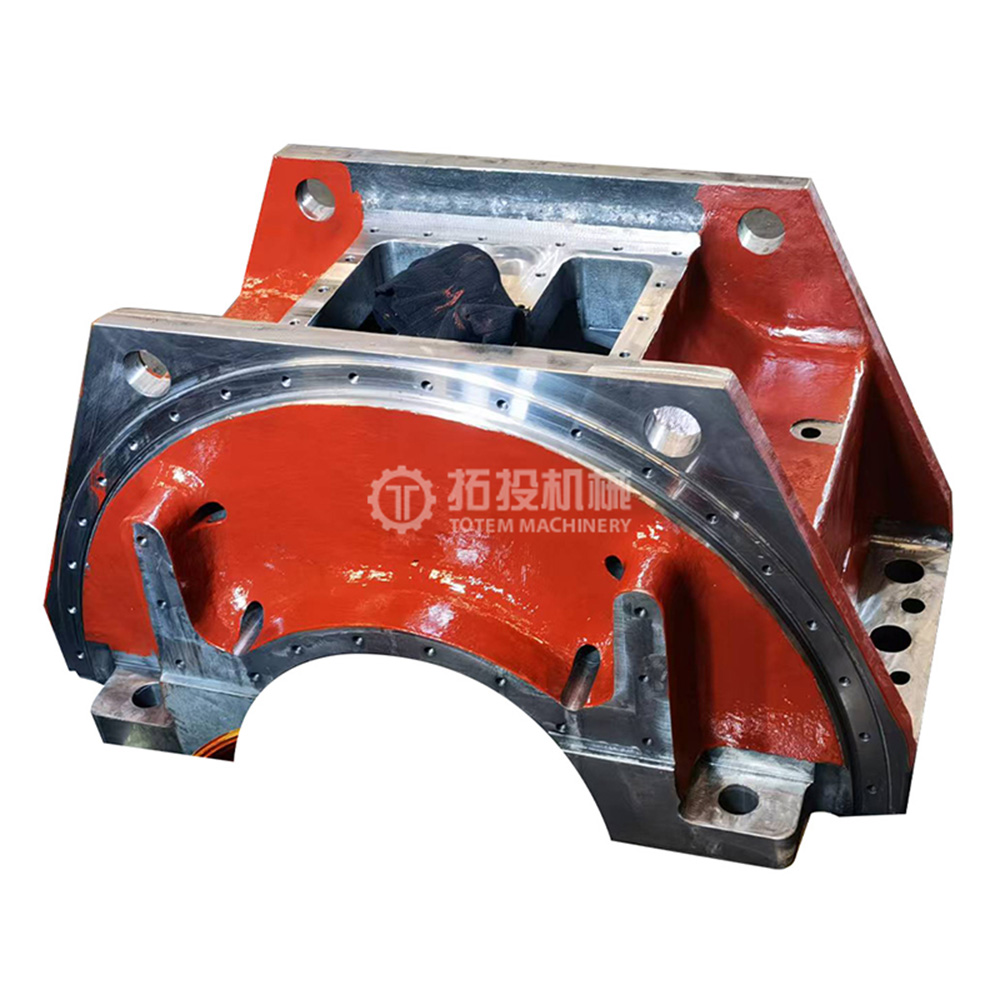
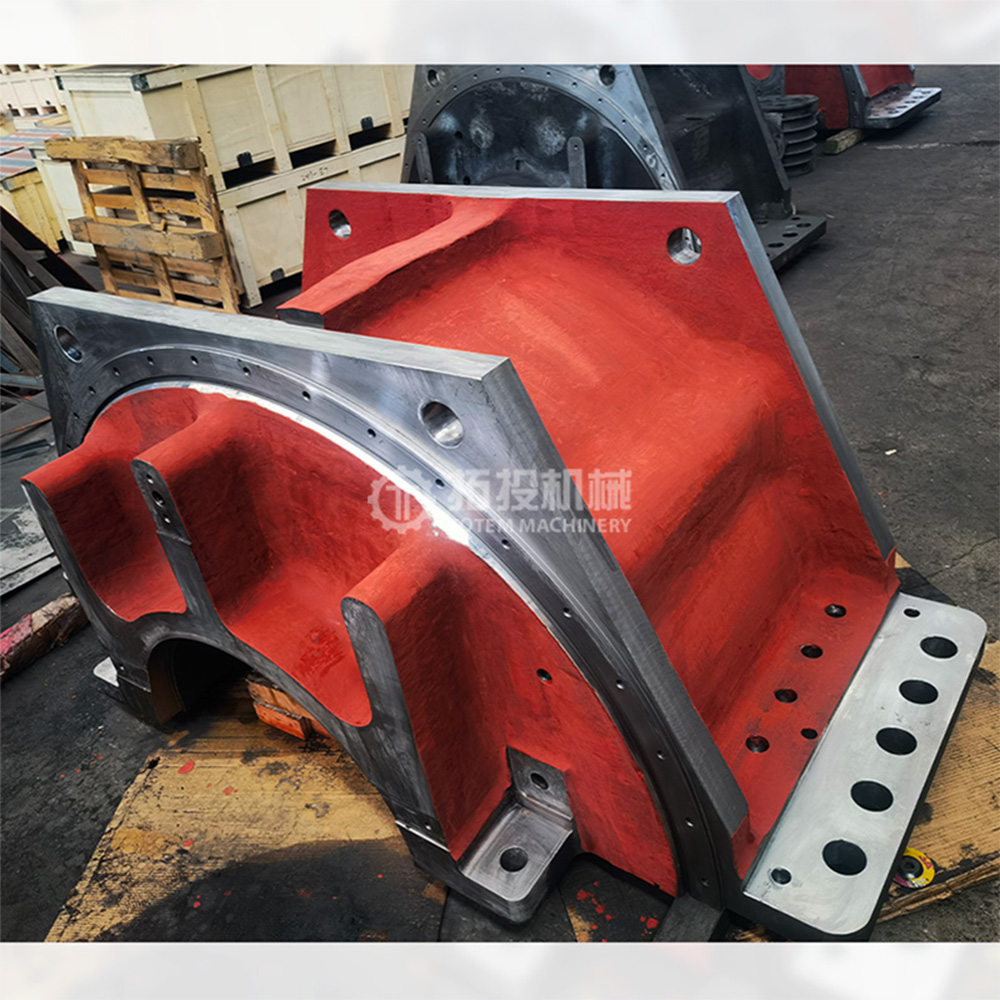
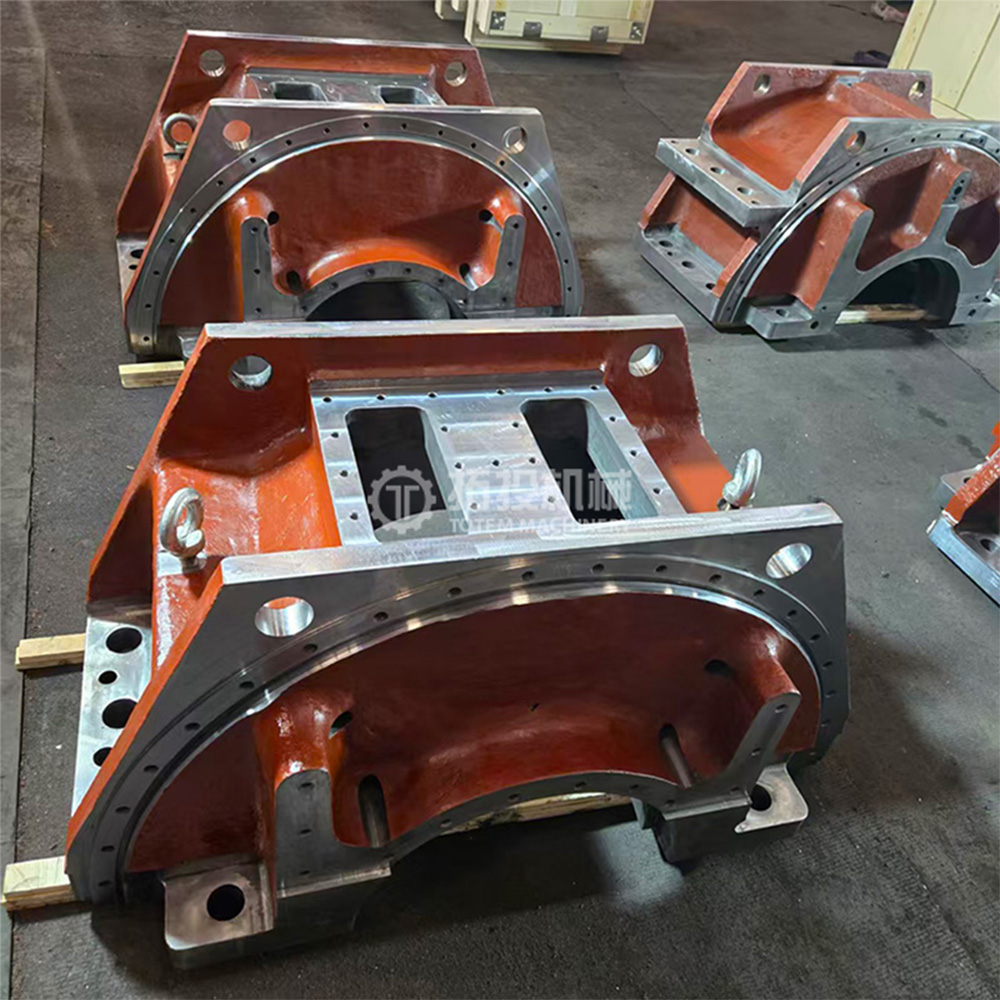
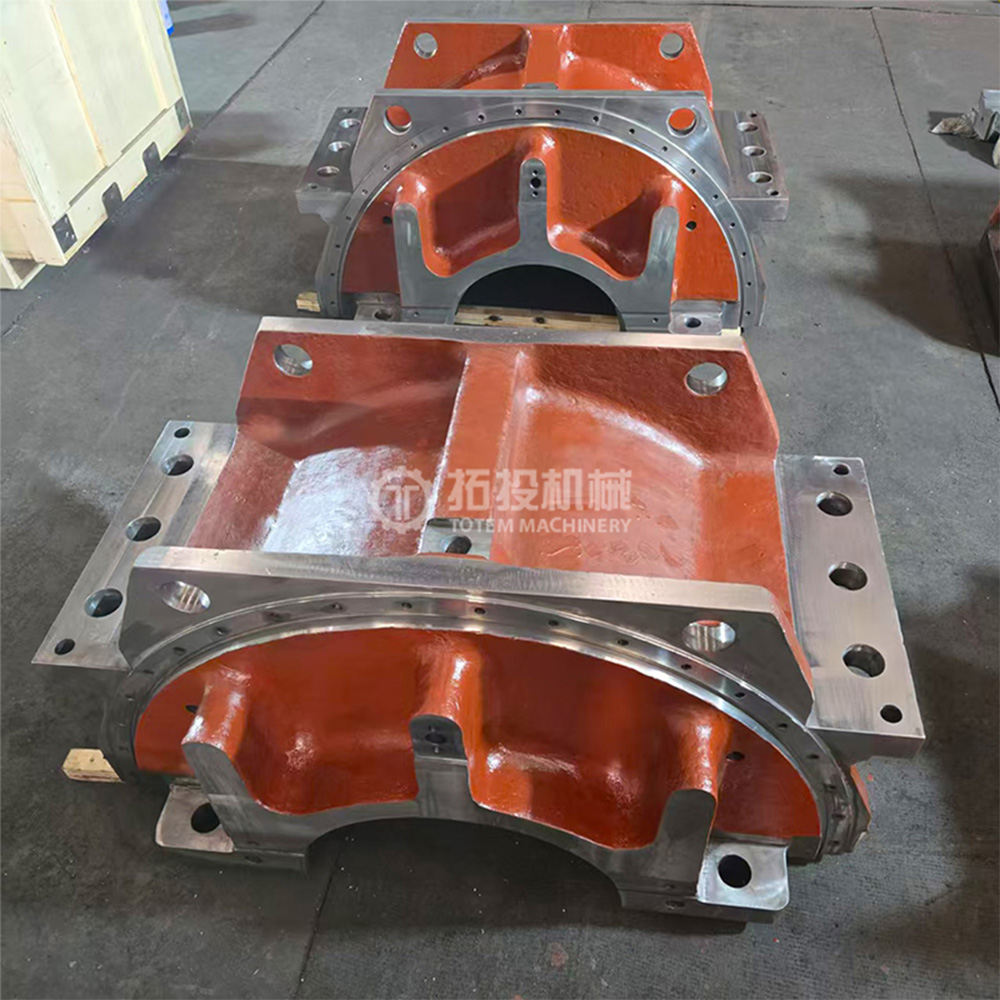
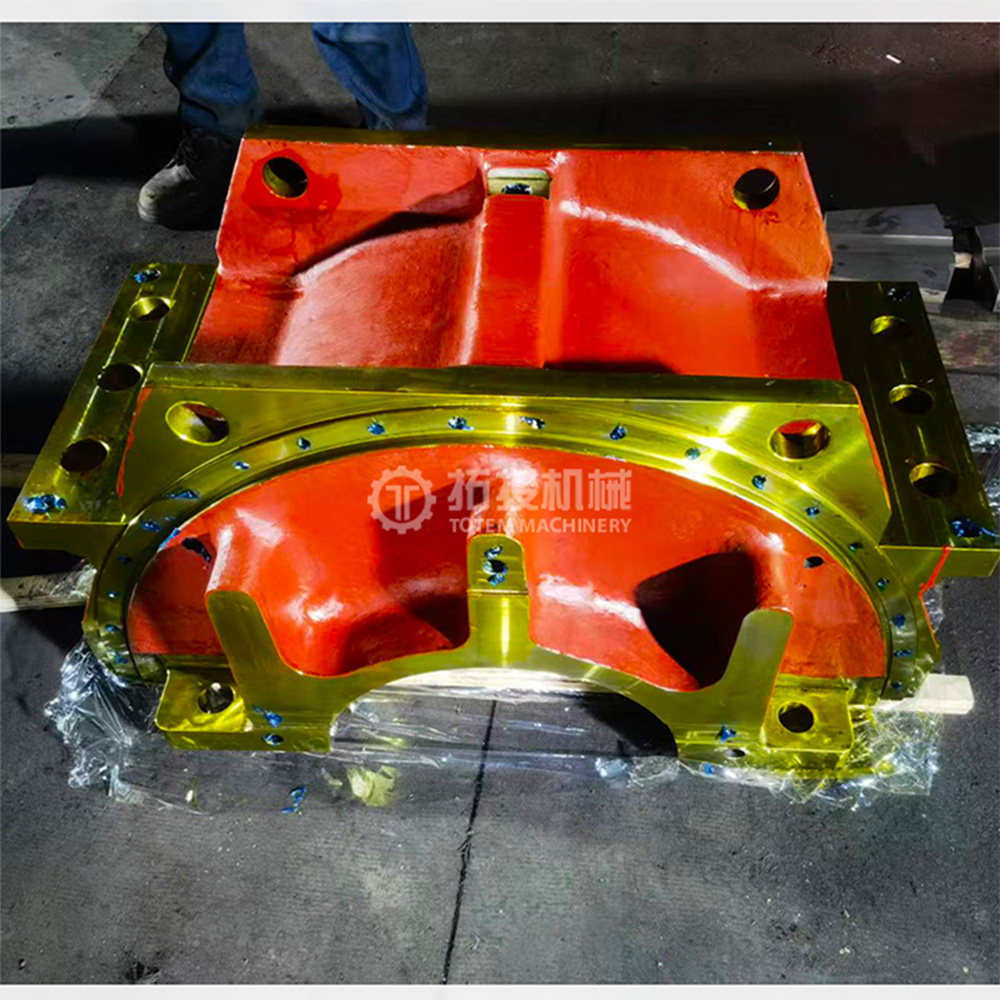
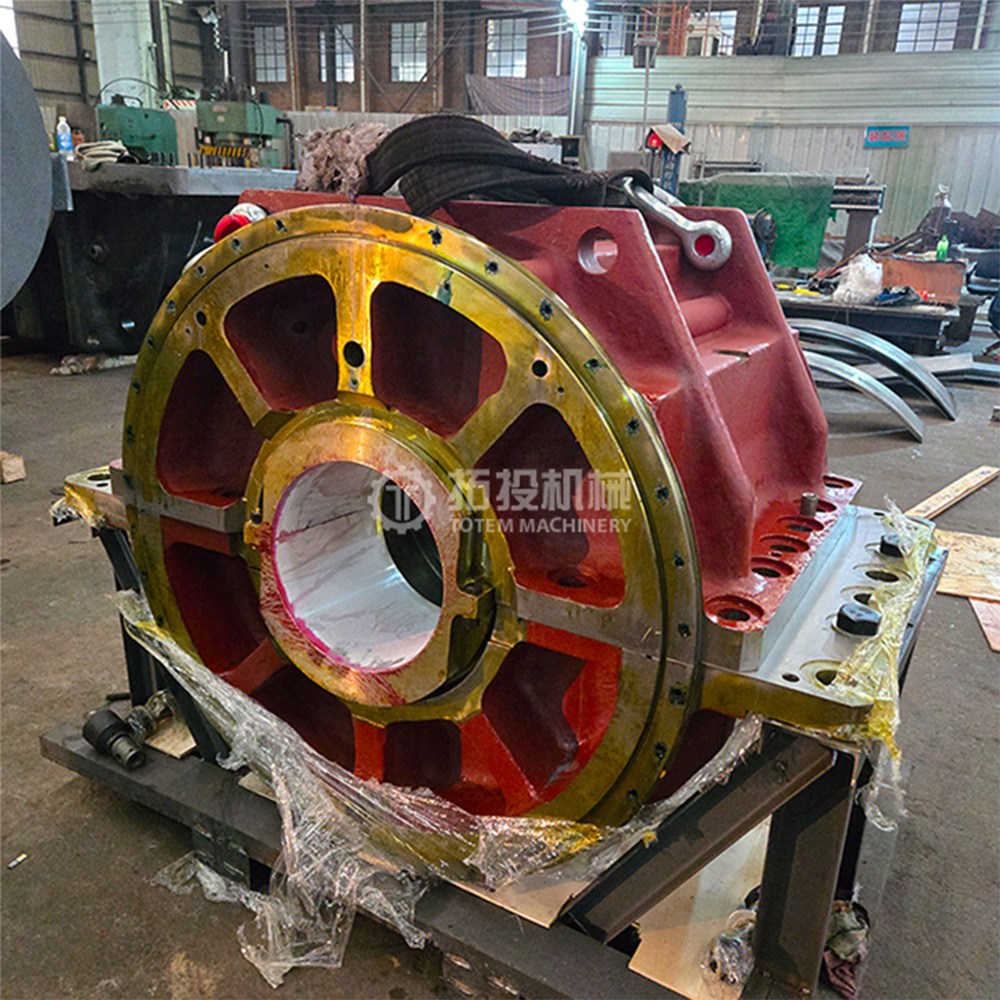
The foundation of a reliable marine propulsion system begins with the right raw materials. We strictly prioritize 08MnCuNiV steel for the bearing seat blank. This specific low-alloy, high-strength material is chosen for its superior welding performance, exceptional machinability, and strong impact resistance. Operating in harsh marine environments requires components that can withstand continuous vibration, heavy loads, and dynamic stresses over long periods. The 08MnCuNiV material fully meets marine-grade standards, ensuring structural integrity while reducing the risk of internal stress deformation during the subsequent heavy machining stages. This careful selection directly translates to long-term operational stability for the final propulsion equipment.
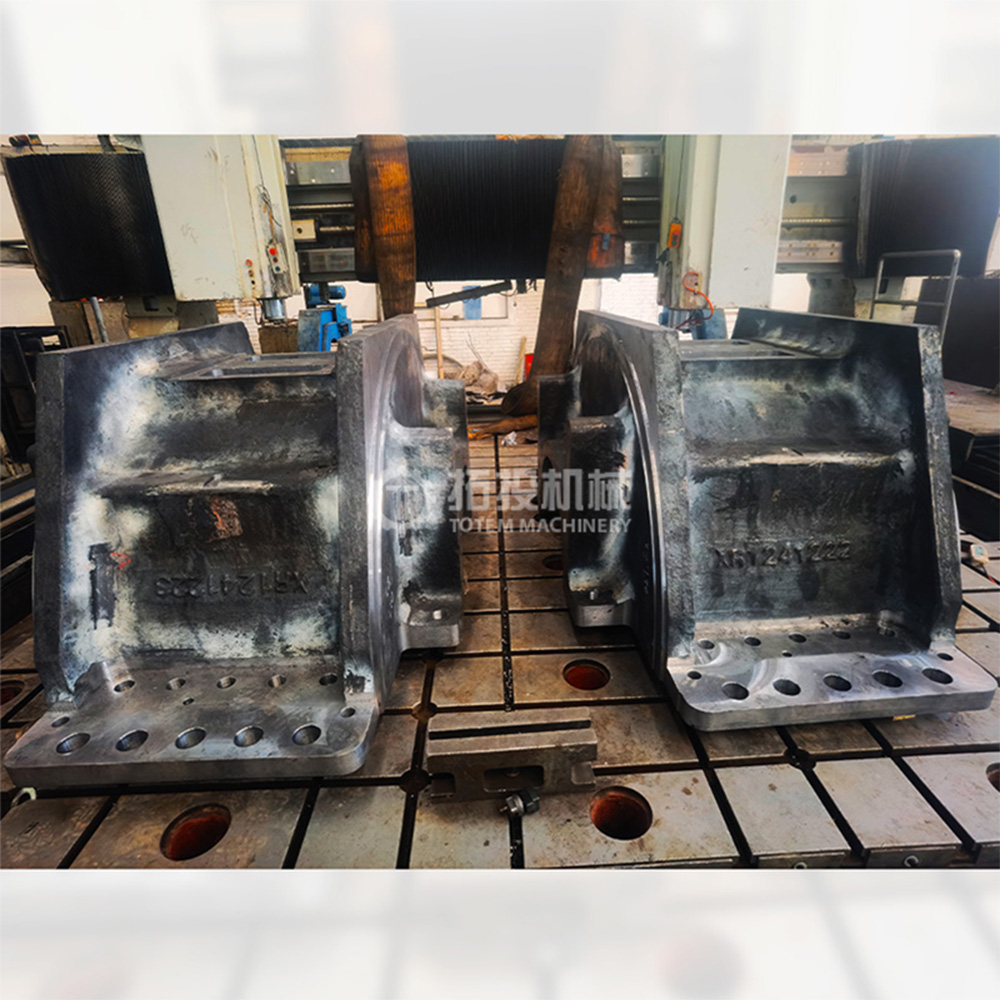
To transform the raw blank into a highly accurate bearing seat, we implement a rigorously controlled, multi-stage machining process. Each step is designed to meet the strict tolerance requirements necessary for marine propulsion assemblies.
Blank Pretreatment and Milling: The process starts with high-precision surface milling of the bearing housing. This step is critical for establishing an accurate reference plane. By strictly controlling dimensional accuracy and surface flatness, we ensure that the bearing seat will align correctly with the ship's hull or equipment base, minimizing installation stress and preventing future misalignment issues.
Precision Drilling: For large-scale marine components, assembly accuracy relies heavily on precise fastening. During the drilling phase, we strictly control hole position accuracy and hole spacing consistency. This precise execution guarantees that all bolt connections align exactly as engineered, facilitating smooth subsequent assembly and ensuring secure positioning under high-vibration operating conditions.
Precision Boring and Inner Circle Machining: The core functional area of the bearing seat is its inner bore. Our advanced boring process focuses on achieving exact roundness, strict coaxiality, and specific surface roughness requirements. Controlling these parameters is essential to guarantee a precise fit with the white metal bearing liner. An exact match at this interface optimizes oil film distribution, reduces friction, and significantly extends the service life of the entire rotating assembly.
Understanding that industrial buyers often face complex procurement and integration challenges, we provide fully customized machining services tailored to specific project needs. We can carry out customized production based strictly on the drawings and technical parameters provided by customers, adapting our manufacturing flow to suit different equipment structural forms and unique marine working conditions.
Beyond build-to-print manufacturing, we offer joint design services to assist clients at the engineering stage. By collaborating early, we can help optimize load distribution, enhance structural rigidity, and improve overall assembly accuracy before production even begins, thereby reducing technical risks for the buyer.
To further streamline your procurement process, we supply full system supporting components alongside the main bearing seat. This includes matching upper bearing housings, precision-machined white metal bearing liners, and necessary sealing components. Delivering a complete, pre-matched assembly ensures that all tolerance requirements are met internally, realizing true one-stop procurement and significantly reducing supply chain management costs and assembly delays for our customers.


To ensure the structural safety and long-term operational reliability of the Marine Grade 08MnCuNiV Bearing Seat for Propulsion Systems, a rigorous product inspection protocol is implemented. Operating in demanding marine environments requires heavy-duty components that can withstand continuous vibration and extreme loads. Therefore, after completing the main machining process, the lower shell of the bearing seat undergoes comprehensive testing procedures to verify its structural integrity and precision, aiming for zero-defect quality before final assembly.
A critical step in our quality control process is Surface Penetrant Testing (PT). This non-destructive inspection method is utilized to meticulously check for micro-cracks, porosity, or any other manufacturing defects on the outer surface and critical stress-bearing areas of the casting. By applying a highly visible penetrant dye, our quality inspectors can identify even the smallest surface discontinuities that might compromise the strength of the bearing seat. For marine propulsion systems, eliminating these potential stress concentrators is vital to prevent fatigue failure and ensure a prolonged service life under heavy-duty operational conditions.
For application scenarios with stringent requirements for sealing performance and the precise assembly quality of white metal bearings, the product is subjected to a rigorous Kerosene Leakage Test. Kerosene, known for its exceptional penetrating properties, is applied to the joint surfaces and key sealing parts. This testing is designed to further verify the processing accuracy and assembly quality by detecting any microscopic gaps. Ensuring a flawless seal is paramount in marine applications to prevent the loss of lubricating oils and protect internal mechanisms from external elements, thereby maintaining optimal operating conditions for the entire shaft system.

After successfully completing all rigorous processing and testing procedures, the lower shell of the bearing seat moves to the final preparation stage. The component is meticulously cleaned to remove any testing fluids, residues, or particulate matter. Following this thorough cleaning process, appropriate surface protection measures are applied to safeguard the casting. This careful preparation is essential to ensure the bearing seat remains in pristine condition, ready for the subsequent precision assembly of the white metal bearing liner and the seamless installation of the entire bearing system.
Relying on advanced inspection equipment and a strict quality control system, our facility is dedicated to delivering reliable marine components that meet international standards. We can process or jointly design the lower shell of the bearing seat according to the specific drawings and technical parameters provided by the customer. This ensures a stable and perfectly aligned fit between the lower shell, the upper shell, and the white metal bearing components. Widely used in various critical bearing systems, this thoroughly inspected product is an essential foundational component that guarantees the safe, smooth, and efficient operation of marine shaft systems while significantly minimizing procurement and maintenance risks for our clients.
When procuring heavy-duty marine components like the 08MnCuNiV bearing seat, ensuring that the product arrives at your facility in pristine condition is just as important as the manufacturing process itself. We understand that marine equipment often faces harsh environmental conditions and complex handling procedures during global transit. To protect your investment from impact, corrosion, or deformation during long-distance transportation and multiple handling operations, we have developed a comprehensive, multi-layer export-grade protective packaging solution designed specifically for heavy marine castings:
Inner Protective Layer for Corrosion Resistance: The marine environment and sea freight expose metal components to high humidity and salt-laden air. To combat this, all critical surfaces—including precision-machined surfaces, mating surfaces, and end faces—are meticulously coated with high-grade anti-rust oil. Following this, the entire bearing seat is fully wrapped with VCI (Vapor Corrosion Inhibitor) paper. This creates a robust barrier that isolates the metal from air and moisture, preventing oxidation and ensuring the component is ready for immediate assembly upon delivery.
Cushioning and Fixation Layer for Shock Absorption: Given the substantial weight and precise tolerances of marine bearing seats, preventing movement within the packaging is crucial. The product is fully covered with advanced cushioning materials, such as high-density pearl cotton and durable rubber pads, to absorb vibrations and impacts. Furthermore, customized special support positioning blocks are strategically installed inside the package. These tailored blocks perfectly match the geometry of the casting, effectively preventing the heavy component from rolling, shifting, or experiencing displacement during transit.
Outer Reinforced Packaging for Structural Integrity: For the exterior, we utilize heavy-duty, reinforced export wooden cases engineered with excellent load-bearing capacity. These robust enclosures are specifically constructed to support the significant weight of marine bearing components while withstanding the rigors of mechanical lifting and loading. Our packaging is fully optimized for multimodal logistics, making it highly suitable for sea, land, and air transportation to any destination around the world.
Customized Packaging Services for Project-Specific Needs: We recognize that every marine engineering project has unique logistical requirements. The protection level, internal fixed structure, and outer packaging logos can be fully customized according to specific customer requirements. Whether you need enhanced weatherproofing for extended outdoor storage at a shipyard, or specialized lifting points for specific destination ports and project sites, our team can adapt the packaging strategy to meet your exact supply chain demands.
Selecting the right manufacturer for critical marine propulsion components is essential for the long-term success and safety of your vessels. TOTEM MACHINERY is equipped with advanced heavy-duty processing equipment and operates under a strict, full-process quality control system. We have been deeply engaged in the manufacturing of marine bearing components for many years, accumulating rich experience in product adaptation for demanding marine working conditions.
We are committed to providing comprehensive, one-stop services—ranging from joint engineering design and precision machining to full-process testing—for global marine equipment manufacturers, shipyards, and industrial clients. All our products strictly comply with international marine industry standards and are engineered to stably adapt to the rigorous use requirements of extreme working conditions.
Beyond manufacturing excellence, TOTEM MACHINERY offers flexible customization capabilities and highly efficient global delivery solutions. Our dedication to quality, combined with our robust packaging and supply chain management, ensures that your projects stay on schedule and within budget. By choosing us, you are securing a reliable, long-term partner dedicated to delivering premium marine heavy-duty bearing components that enhance the performance and reliability of your propulsion systems.


