| Quantity: | |
|---|---|
The Low-Friction Babbitt Sliding Bush, also known as Forged Babbitt Bearing Bush for Marine Intermediate Shafts, is the core functional component of marine sliding bearing systems. It is usually installed between the marine intermediate shaft and the bearing housing, working in coordination with the bearing seat, lubrication system and shaft system components to provide stable radial support and load bearing capacity for the marine propulsion shaft system. By forming a stable lubricating oil film during shaft operation, it achieves reliable operation with low friction and low wear, and is a key core component to ensure the smoothness and safety of marine propulsion power transmission.
The Marine Babbitt Sliding Bearing Liner uses high-quality Babbitt alloy as the working surface material, which has excellent friction reduction, anti-seizure and embedding properties. It can quickly form a stable lubricating oil film, greatly reduce the friction coefficient and wear during shaft operation, extend the service life of the shaft system and the bush, and reduce maintenance downtime.
We strictly control the roundness, coaxiality and surface accuracy of the inner hole to achieve a perfect fit with the marine intermediate shaft and bearing housing, ensure accurate alignment of the shaft system during long-term continuous operation, effectively suppress shaft vibration, and improve the operational stability of the entire propulsion system.
It can adapt to the complex working conditions of long-term continuous operation, variable load, high and low speed alternation of ships, maintain stable performance in the harsh marine environment of high humidity and high salt spray, has excellent fatigue resistance and impact load resistance, and meets the full working condition requirements of ocean-going and inland waterway ships.
Parameter | Standard Value | Customization Range |
Base Material | High-Quality Carbon Steel | Alloy Steel, Forged Steel as per request |
Babbitt Alloy Grade | Standard Sn-Sb Babbitt Alloy | Custom Babbitt Formulation per working condition |
Inner Hole Roundness Tolerance | ≤0.01mm | Customizable per drawing requirements |
Working Surface Roughness | Ra0.8μm | Ra0.4μm to Ra1.6μm |
Applicable Shaft Diameter Range | 30mm to 600mm | 15mm to 1000mm |
Fit Tolerance Grade | H7/h6 | Custom tolerance grade per industrial standard |
Core Testing Standards | Surface Penetrant Testing (PT) for Inner Surface | UT, Hardness Testing as required |
Operating Condition Adaptation | Continuous Operation, Variable Radial Loads | Customized for extreme speed and load conditions |
The Marine Propulsion System Babbitt Bearing Bush is mainly suitable for the main propulsion intermediate shaft system, thrust shaft system and propeller shaft support system of various ocean-going merchant ships, inland waterway transport vessels, offshore engineering operation ships and official ships. It is also widely used in sliding bearing systems of marine steam turbines, water turbines, industrial generator sets and heavy rotating equipment, providing low-friction and high-reliability support solutions for various industrial and marine rotating shaft systems, and adapting to the needs of ships and industrial equipment of different tonnages and working conditions.
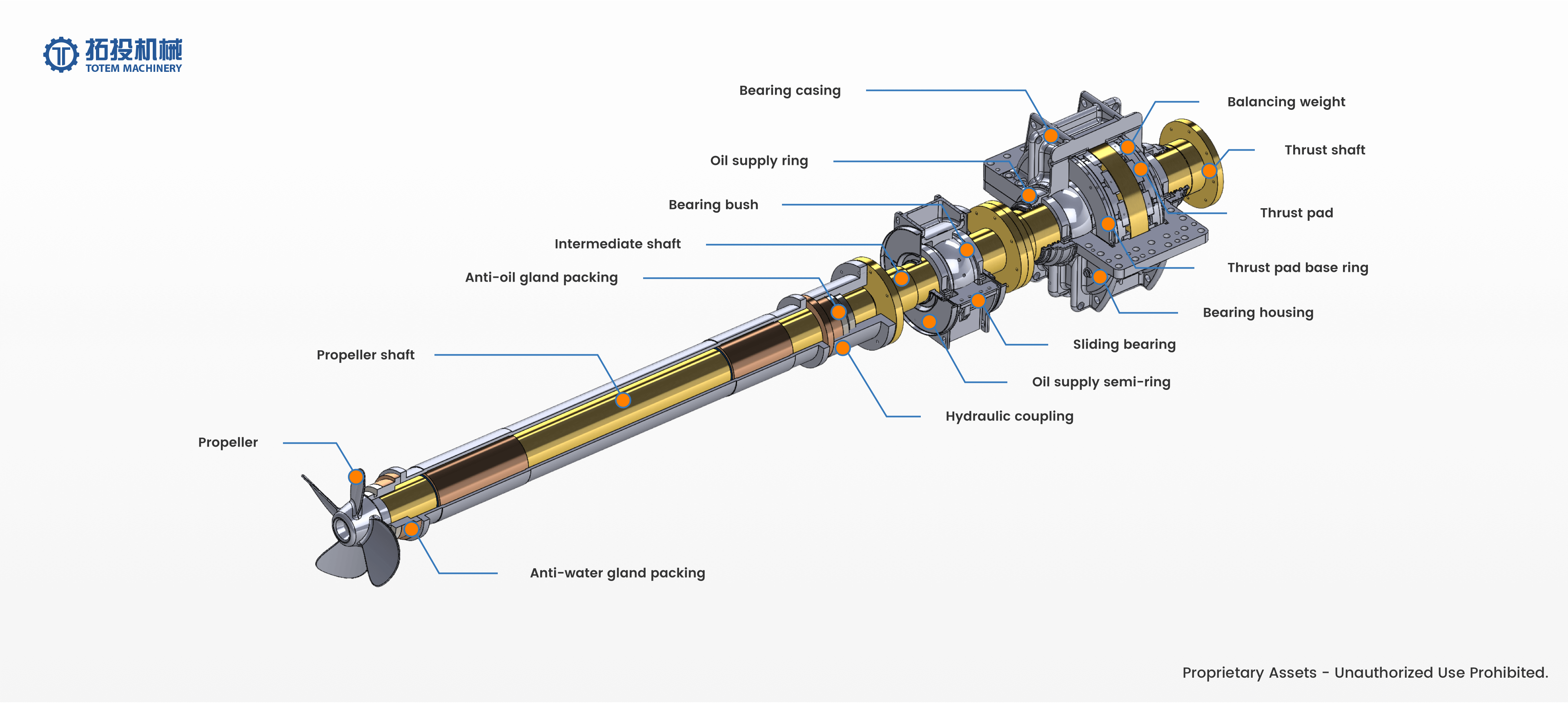
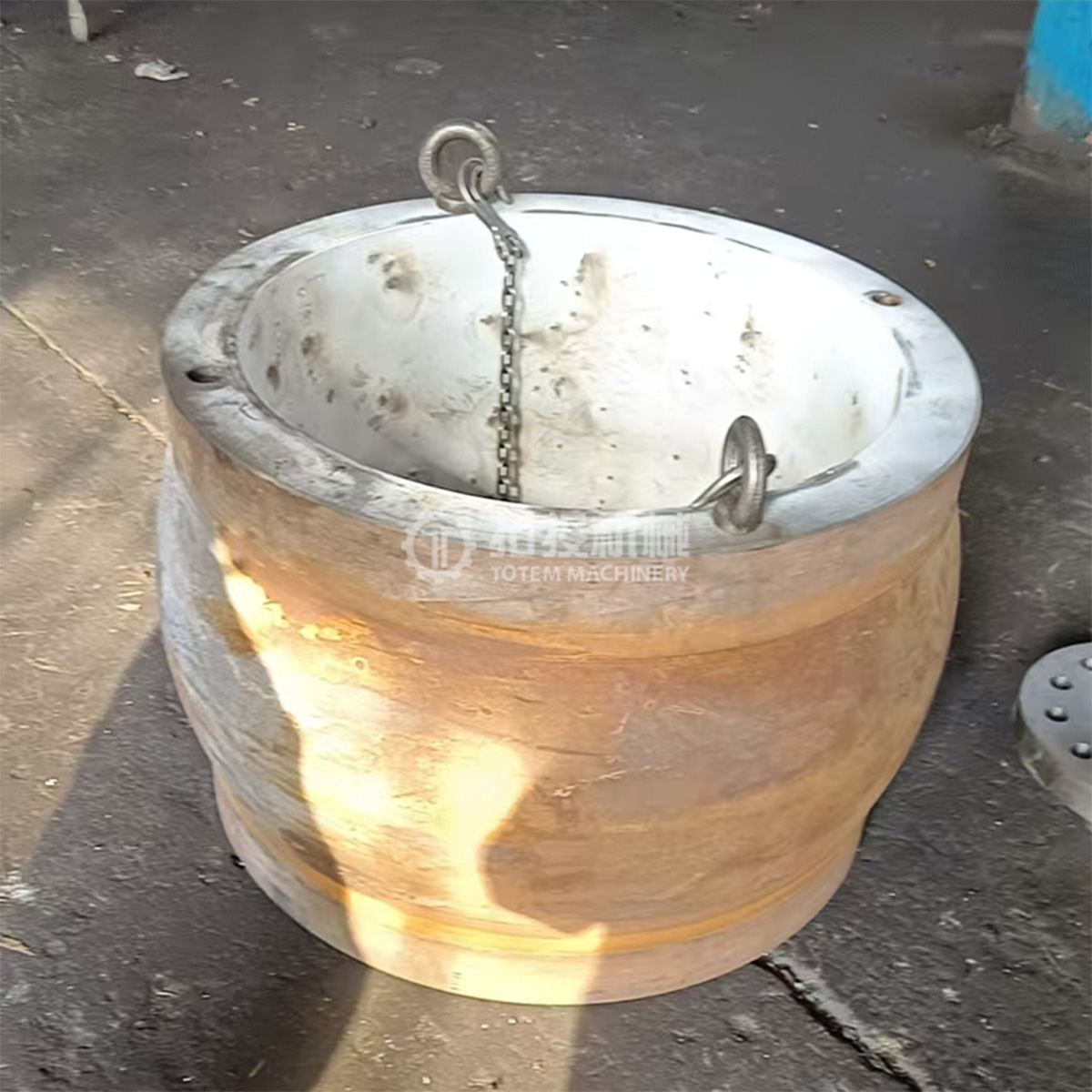
The matrix is made of high-strength carbon steel or alloy steel with excellent structural strength and deformation resistance, and the working surface is made of tin-based Babbitt alloy with excellent friction reduction and corrosion resistance. The material combination fully adapts to the heavy load, low friction and long service life requirements of the marine shaft system, and complies with international marine material standards.
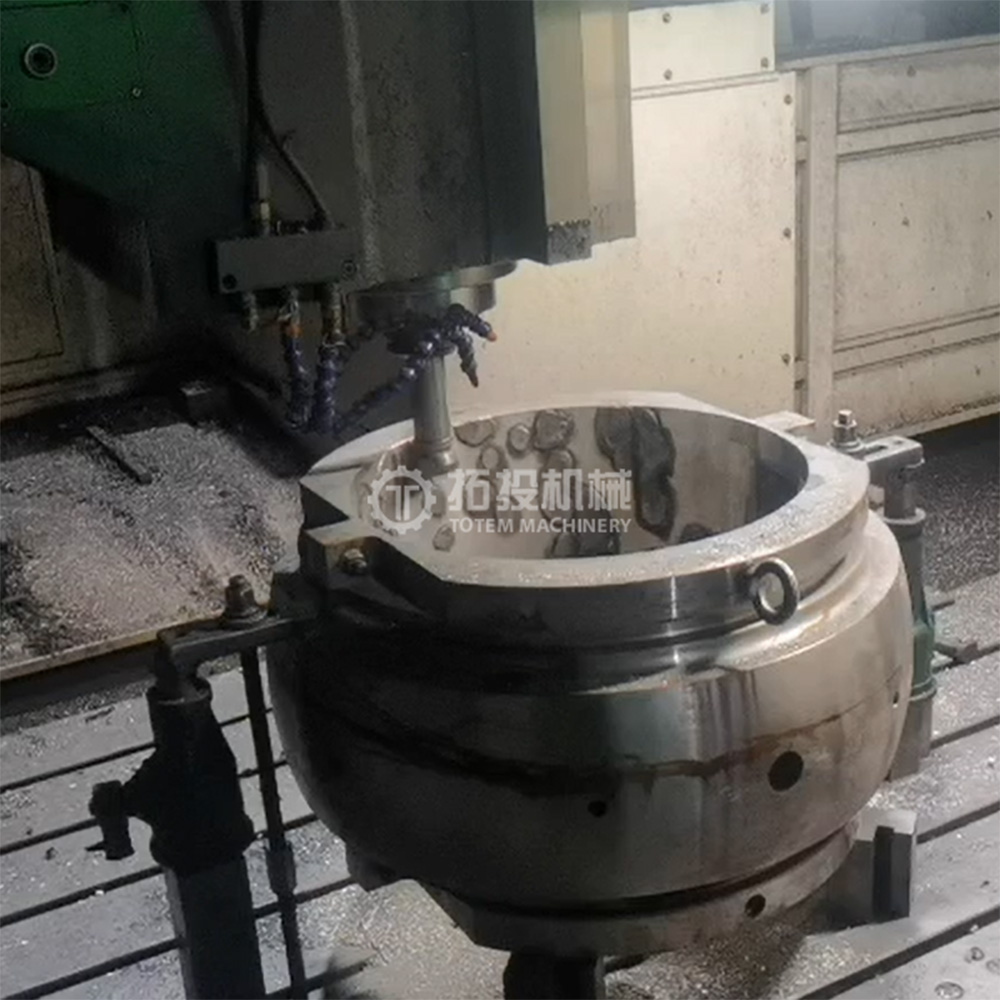
Matrix pretreatment and rough machining: Standardized pretreatment of the forging blank to eliminate internal stress and complete the rough machining of the shape;
Precision boring and inner hole finishing: Finish turning of the inner hole of the bush through high-precision boring process, strictly control the roundness, cylindricity and fitting accuracy of the inner hole to ensure a perfect fit with the journal;
Superfinishing of working surface: Superfinishing of the Babbitt working surface to optimize the surface roughness and improve the lubricating oil film forming ability.
We provide full-dimensional customized services for marine equipment manufacturers and industrial clients. We can carry out customized design and precision machining according to different ship types, shaft diameter sizes, bearing capacity and use conditions, to ensure the best match between the bush, the bearing seat and the shaft system. At the same time, we can provide supporting manufacturing services for key components of the shaft system such as marine intermediate shafts, thrust shafts, bearing seats, sealing components and thrust pads, realizing one-stop procurement of core components, ensuring the matching and operational stability of the entire propulsion system, and reducing the supply chain management cost of customers.
Ensuring the operational safety of marine propulsion systems requires strict quality control. Following the completion of the machining phase, every Low-Friction Babbitt Sliding Bush undergoes a comprehensive series of surface and internal quality inspections. These systematic evaluations are designed to verify the structural integrity of the bearing material and confirm that it meets the precise tolerances required for critical marine applications. By implementing strict inspection protocols, we help procurement teams and marine engineers mitigate selection risks, reduce future maintenance costs, and ensure long-term stability in demanding maritime environments.
A core focus of our quality assurance process is the Penetrant Testing (PT) flaw detection, applied specifically to the inner working surface of the babbitt bushing. The babbitt alloy layer is critical for minimizing friction and supporting the rotating intermediate shaft. PT flaw detection is mainly used to meticulously inspect whether this working surface has any slight cracks, porosity, or subtle manufacturing defects that might remain invisible during standard visual checks.
By applying a specialized liquid penetrant, even the most microscopic surface discontinuities are clearly revealed under inspection lighting. Identifying and eliminating these imperfections is absolutely vital. Undetected micro-cracks can propagate under heavy operational stress, potentially leading to premature bearing failure, loss of lubrication efficiency, or localized overheating. This dedicated PT inspection ensures that the seal bushing maintains an optimal hydrodynamic lubrication film, thereby offering significantly higher reliability and safety in the actual operating process.
Marine propulsion systems are frequently subjected to harsh operating realities, including continuous long-term operation, variable hydrodynamic loads, and complex dynamic forces. Relying on a mature detection system and stringent quality criteria, the babbitt bushing manufactured by our company can adapt effectively to these rigorous usage requirements. Our comprehensive testing procedures simulate the critical parameters of marine environments, ensuring that every bushing delivered can withstand the torsional vibrations and heavy load cycles typical of intermediate shaft operations without compromising structural integrity.
Furthermore, our quality inspection framework is fully integrated with our custom production capabilities. The product supports precise machining according to client-provided drawings or customized manufacturing specifications. Regardless of the specific intermediate shaft structure or the unique dimensional requirements of your marine propulsion project, our inspection team verifies that every customized parameter is strictly adhered to. This commitment to detailed flaw detection and dimensional verification provides buyers with the confidence that the final installed sliding bush will perform reliably, minimize the risk of unexpected downtime, and extend the overall service life of the propulsion system.
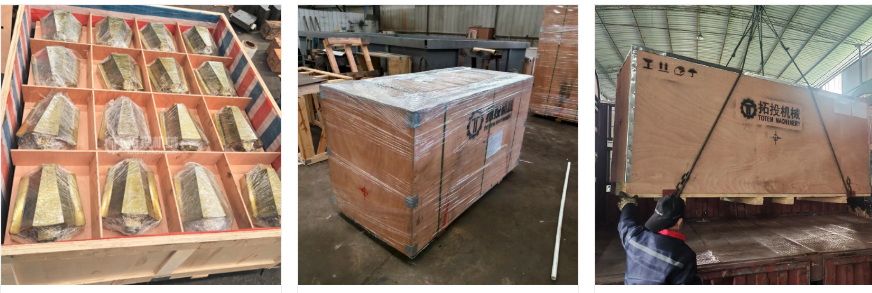
To protect the precision bush from scratches, corrosion and bump damage during global transportation, we adopt a customized multi-layer export protective packaging solution:
Inner precision protection: All machined working surfaces and mating surfaces are coated with special anti-rust oil, wrapped separately with VCI vapor corrosion inhibitor paper, completely isolating air and moisture to prevent corrosion and scratches on the precision surface;
Cushioning positioning layer: Each bush is individually wrapped with customized pearl cotton and foam pads for buffering, and a special positioning card slot is set inside the package to prevent the bush from rolling, colliding and displacement during transportation;
Outer reinforced packaging: High-strength export wooden cases are used as the outer packaging, which has excellent load-bearing and impact resistance, and is suitable for various global transportation methods such as sea, land and air transportation;
Customized packaging service: The protection level, buffering method and outer packaging logo can be adjusted according to customer requirements to meet the special requirements of different destination ports and project sites.
TOTEM MACHINERY has been deeply engaged in the manufacturing of marine shaft bearing components for many years, has mature Babbitt composite technology and high-precision processing equipment, and has established a strict full-process quality control system. We provide one-stop services from customized design, precision machining to full-dimensional testing for global industrial clients. All products comply with international marine industry standards and can stably adapt to the long-term use requirements of complex marine working conditions. We have rich experience in supporting marine shaft system, can help customers optimize the shaft bearing matching scheme, improve equipment operation reliability, and are your trusted professional partner for marine sliding bearing components.