


| Quantity: | |
|---|---|
The 35 Steel Custom Bearing Casing is the core structural component of Babbitt (White Metal) Bearing systems, engineered to work in tandem with the bearing housing lower shell to enclose, secure, and protect internal bearing assemblies. This precision-machined casing forms a complete, rigid installation space for bearing components, directly governing the assembly accuracy, load distribution, and long-term operational stability of the entire rotating bearing system. Designed for heavy-duty industrial scenarios, our Custom Large Bearing Casing delivers unmatched structural reliability for continuous operation under extreme load conditions.
As the upper enclosure of the bearing assembly, our 35 Steel Bearing Casing provides robust mechanical constraint for internal liners, thrust pads, and related components, preventing displacement under impact and radial loads, and eliminating operational vibration risks.
The casing maintains ultra-precise coaxiality and assembly fit with mating bearing components, ensuring even load transfer through the bearing system to the equipment housing and foundation, avoiding localized stress concentration and premature component failure.
Built for harsh industrial environments, the casing delivers exceptional structural strength and fatigue resistance, supporting non-stop operation in high-load, high-torque scenarios, and reducing unplanned maintenance downtime for industrial operators.
Parameter | Standard Specification | Customization Range |
Base Material | 35 Cast Steel / Forged Steel | Carbon Steel, Alloy Steel per client requirements |
Flatness Tolerance | ≤0.02mm/m | Custom precision grade available |
Hole Position Accuracy | ±0.01mm | Adjustable per drawing specifications |
Surface Roughness (Mating Surface) | Ra1.6 | Ra0.8-Ra3.2 customizable |
Non-Destructive Testing Standard | Penetrant Testing (PT) | UT, MT, RT testing available |
Compatible Bearing Type | Babbitt (White Metal) Bearings | Thrust, Radial, and Composite Bearing Systems |
Our Large Bearing Casing for White Metal Bearing is purpose-built for high-demand rotating equipment across core industrial sectors, including marine propulsion systems, hydro turbines, steam turbines, industrial compressors, and heavy-duty mining and metallurgical machinery. The product is fully adapted to extreme working conditions, such as high axial load, continuous 24/7 operation, and corrosive marine environments, meeting the strict operational requirements of global industrial equipment manufacturers and engineering project operators.
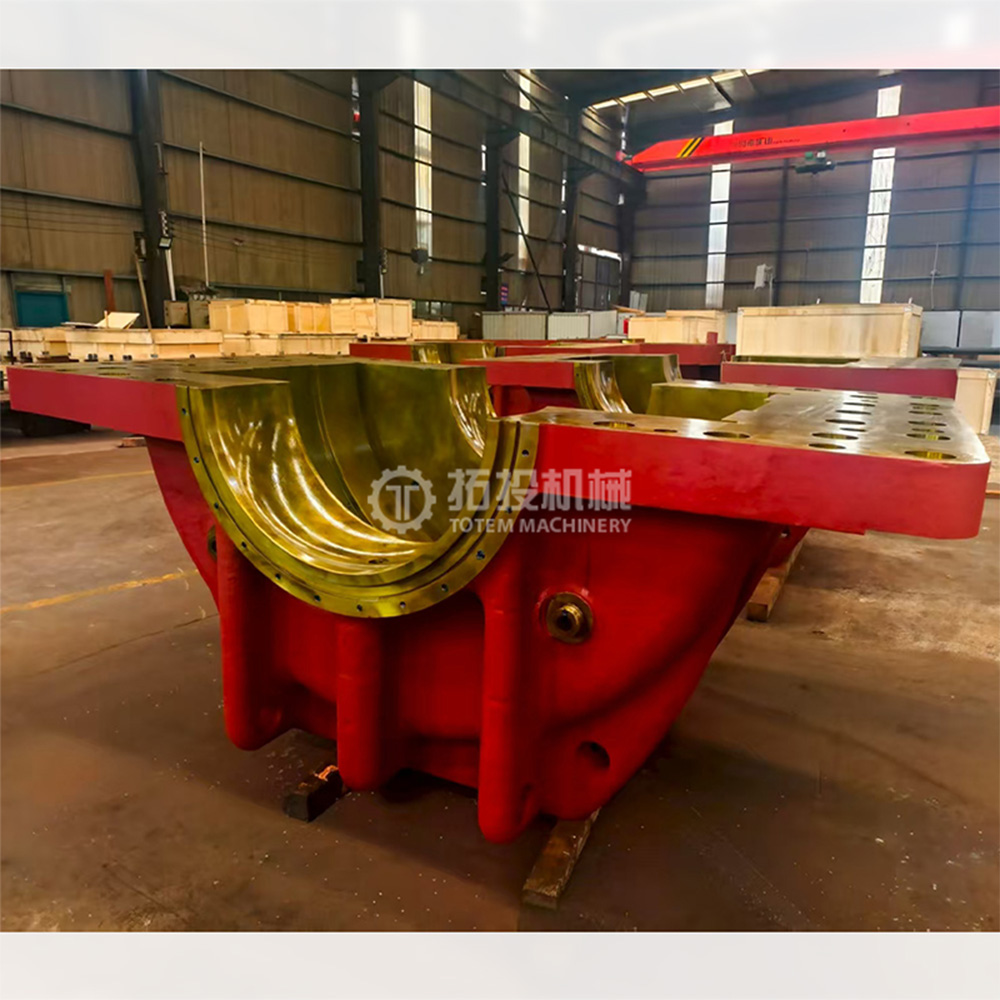
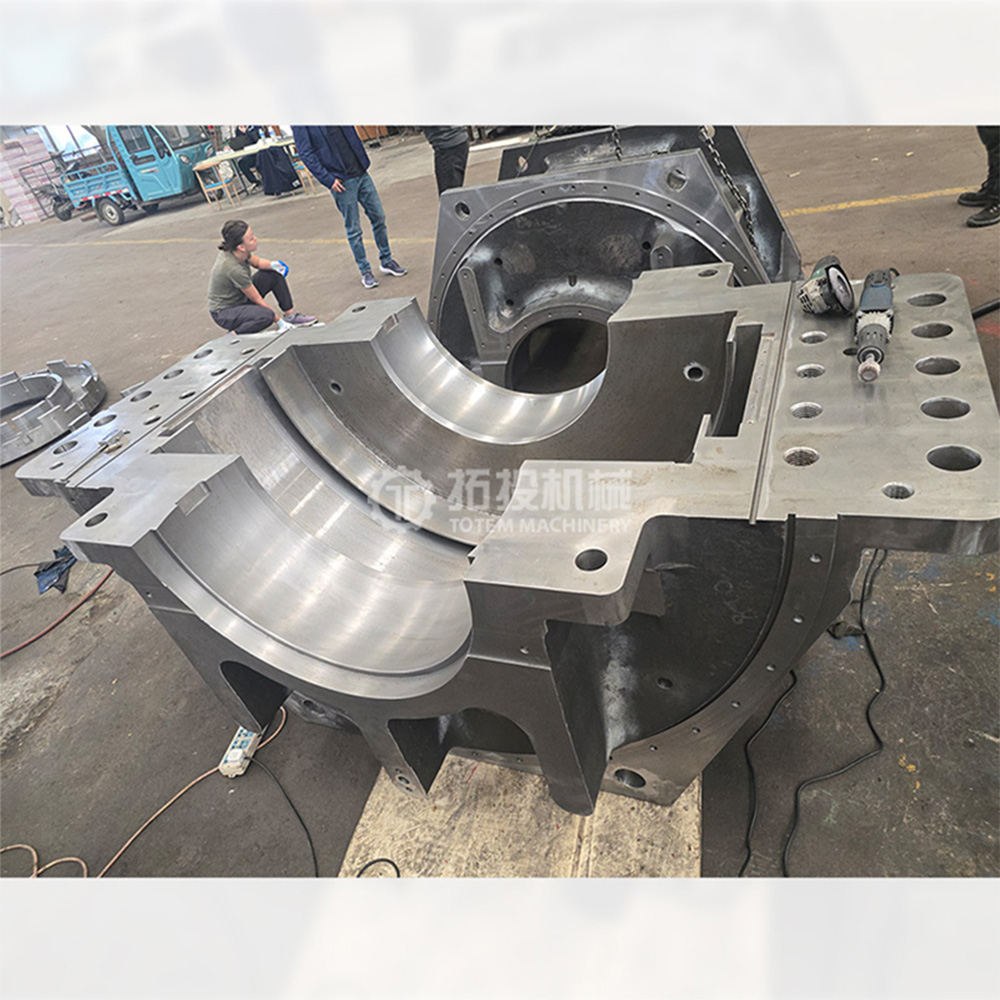
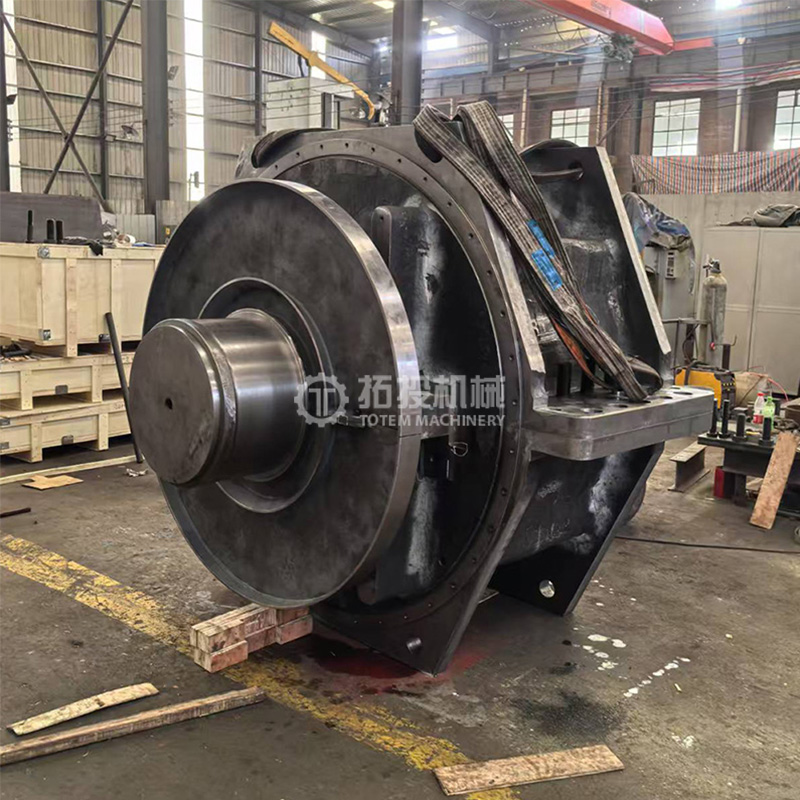
The foundation of a reliable industrial bearing system begins with uncompromising material quality and strict manufacturing standards. For every Custom 35 Steel Bearing Casing, we meticulously select premium 35 cast steel or forged steel blanks, depending on the specific load and structural requirements of your project. This specific grade of steel provides the optimal balance of mechanical strength, rigidity, and toughness required to withstand continuous heavy-duty operations. To ensure complete peace of mind for procurement teams and project engineers, our material supply chain is fully traceable. Every batch of raw material is documented, ensuring consistent mechanical performance, structural integrity, and compliance with stringent industrial standards from the very beginning of the manufacturing cycle.
The precision machining workflow is executed using advanced CNC equipment, ensuring that every critical dimension meets exact engineering specifications. We perform rigorous CNC milling on all outer contours and mating surfaces. Achieving strict dimensional accuracy and exceptional flatness on these surfaces is crucial, as it directly impacts the alignment, sealing capability, and load distribution of the entire bearing assembly. By maintaining tight machining tolerances, we prevent uneven stress distribution that could lead to premature wear, vibration, or operational instability in the final equipment.
Following the milling phase, the casing undergoes high-precision drilling for bolt holes and mounting holes, strictly adhering to the client's design drawings. Accurate hole placement is vital for precise installation and secure fastening during final equipment assembly, significantly reducing the risk of misalignment. Furthermore, comprehensive deburring and surface finishing processes are applied to eliminate microscopic sharp edges and surface irregularities. This critical step is essential to avoid localized stress concentration, thereby enhancing the fatigue life of the bearing casing under dynamic and fluctuating loads.
Understanding that industrial machinery often requires specialized configurations, we offer fully customizable Bearing Casing for Babbitt Bearings solutions tailored to your unique operational demands. Whether you require manufacturing based on detailed client-provided drawings or need collaborative design support for complex equipment structures, our experienced engineering team is equipped to deliver. We actively engage in the design phase to fully consider critical factors such as assembly accuracy, dynamic load stability, and long-term operational reliability, ensuring the casing performs exactly as intended in its designated environment.
A key focus of our custom machining capability is ensuring perfect alignment between the upper bearing casing, the lower shell, and the internal white metal (Babbitt) components. Misalignment is a primary cause of bearing failure; therefore, our machining and design processes are optimized to guarantee an exact fit. This meticulous attention to structural detail ensures optimal lubrication flow, uniform load-bearing capacity, and stable rotation once the Babbitt bearing is fully assembled and operational.
Beyond manufacturing individual casings, we provide comprehensive, matched bearing system components, offering a true one-stop solution for procurement managers and engineering contractors. By sourcing a complete, pre-matched system, clients can significantly reduce assembly risks, minimize compatibility issues on the factory floor, and streamline their supply chain. This integrated approach not only saves valuable procurement time but also ensures that all components work harmoniously to maximize the lifespan and efficiency of your heavy rotating equipment.


To guarantee the continuous and safe operation of heavy-duty industrial machinery, our 35 Steel Custom Bearing Casing for Babbitt Bearings undergoes a rigorous product inspection protocol. We understand that in white metal bearing systems, even minor imperfections can compromise the entire mechanical setup. Therefore, we have established a comprehensive quality control system that spans from the completion of primary machining to the final verification stages. For procurement professionals and engineers sourcing critical industrial components, this meticulous approach significantly reduces procurement risks, ensuring that every bearing casing delivered meets exact specifications and provides exceptional long-term stability.
After the primary machining processes are completed, the bearing casing moves into the critical phase of surface finishing and deburring. This step is not merely an aesthetic enhancement; it is a fundamental requirement for mechanical integrity. When assembling babbitt bearings, the mating surfaces must be flawless. Any residual burrs or sharp edges left from machining can cause severe interference, potentially scratching the softer white metal or creating uneven pressure distribution. Furthermore, unrefined surfaces can act as stress concentration points, which may lead to premature fatigue under dynamic operational loads. By executing precise deburring and surface finishing, we eliminate these risks, ensuring smooth integration, proper alignment, and seamless compatibility with the lower shell and internal bearing components.
For applications demanding the highest levels of reliability, visual inspections alone are insufficient. To ensure absolute structural safety, the outer surface of the housing undergoes advanced Penetrant Testing (PT). This non-destructive testing (NDT) method is highly effective in detecting surface-breaking defects that are invisible to the naked eye. During the PT process, a specialized liquid penetrant is applied to the casing, seeping into any microscopic flaws such as micro-cracks, porosity, or structural inconsistencies in the 35 steel material. A developer is then applied to draw out the trapped liquid, making any hidden defects clearly visible. This rigorous flaw detection process guarantees that the casing possesses the structural soundness required to withstand the demanding operational environments typical of white metal bearing systems, preventing sudden stress fractures and catastrophic failures.
Relying on mature machining capabilities and our comprehensive quality control system, we ensure that every custom bearing casing is manufactured strictly according to customer drawings or through collaborative design specifications. Beyond material and surface inspections, our quality control encompasses rigorous dimensional verification. We thoroughly measure each casing to confirm accurate alignment with the lower shell and internal components, facilitating a straightforward assembly process. By prioritizing operational reliability through comprehensive inspections, we deliver bearing casings that enhance equipment performance, reduce maintenance frequency, and provide outstanding long-term value for your industrial applications.
PT
PT
When sourcing heavy industrial components like the Large 35 Steel Bearing Casing, ensuring the product arrives in pristine condition is just as critical as the precision manufacturing process itself. We understand that global transit involves varying climates, fluctuating humidity levels, and complex handling conditions. To protect your investment from our factory floor to your assembly line, we have implemented a rigorous, multi-layer export-grade packaging system designed to eliminate transit risks, prevent corrosion, and ensure immediate readiness upon arrival.
Our comprehensive packaging protocol includes three primary layers of defense tailored for heavy-duty metal components:
Inner Anti-Corrosion Layer: We meticulously apply premium anti-rust oil to all critical machined surfaces, followed by a tight wrap using high-quality VCI (Volatile Corrosion Inhibitor) paper. This dual-action protection effectively blocks moisture and prevents oxidation during extended sea freight, while remaining straightforward to clean prior to final installation.
Cushioning and Fixation Layer: To safeguard against mechanical shocks and transit vibrations, the casing is surrounded by high-density pearl cotton. We strategically utilize custom positioning blocks tailored to the exact geometry of the bearing casing, preventing any internal shifting and protecting the dimensional integrity of the component.
Outer Reinforced Layer: The final enclosure consists of heavy-duty, reinforced export wooden cases. These crates are specifically engineered to withstand heavy loads, stacking pressures, and the rough handling often associated with international logistics, ensuring full compliance with global shipping standards.
Whether your project timeline necessitates expedited air freight or cost-effective sea and land transport, our packaging is fully adaptable. We also provide fully customizable packaging solutions to meet specific project requirements, regional customs regulations, or specialized unloading equipment at your destination facility. By prioritizing these meticulous packaging standards, we drastically reduce the risk of damage upon receipt and accelerate your overall installation schedule.
TOTEM MACHINERY brings decades of specialized expertise in manufacturing custom bearing components for heavy industrial applications. Our facility is backed by mature CNC machining capabilities and a comprehensive end-to-end quality control system. We go beyond simply supplying individual parts; we offer full system supporting capabilities for complex bearing assemblies, ensuring that every casing integrates perfectly into your broader machinery setup.
We operate with strict compliance to international industrial standards, guaranteeing that every piece meets the rigorous demands of the power generation, mining, metallurgy, and heavy manufacturing sectors. Our flexible custom design services allow us to adapt to your unique engineering drawings and material specifications seamlessly, providing tailored solutions that enhance your operational efficiency and equipment lifespan.
What truly sets TOTEM MACHINERY apart is our unwavering commitment to precision, reliability, and on-time delivery. We understand that in heavy industry, project delays result in significant downtime costs. By combining robust manufacturing capacity with optimized global logistics and secure packaging, we significantly reduce your procurement risks. Our dedicated engineering and logistics teams work in tandem to provide transparent communication throughout the production and shipping phases, establishing us as a trusted, long-term partner for industrial equipment manufacturers and project operators worldwide.


