


| Quantity: | |
|---|---|
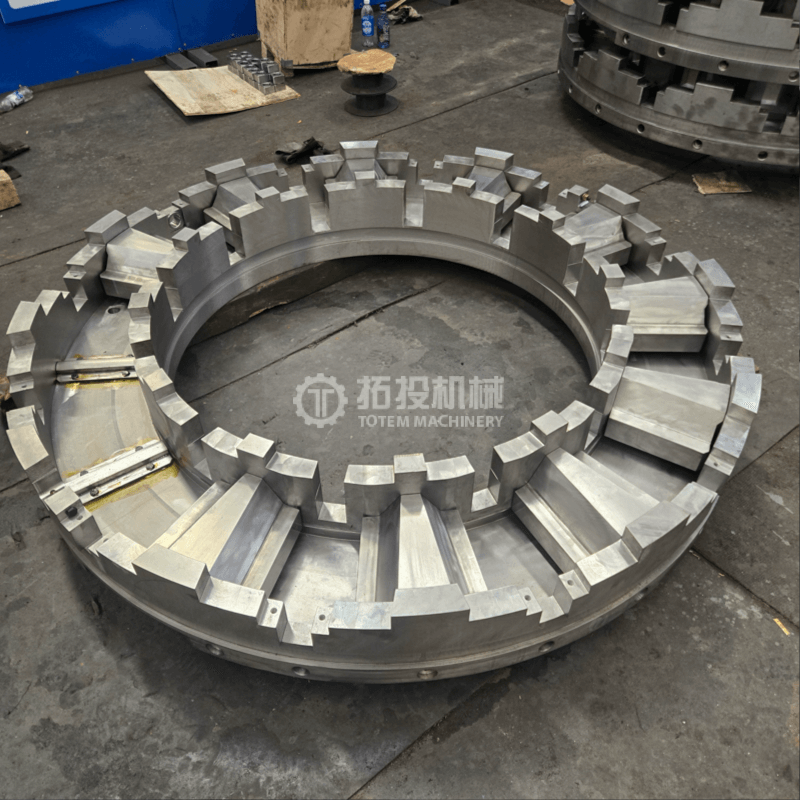
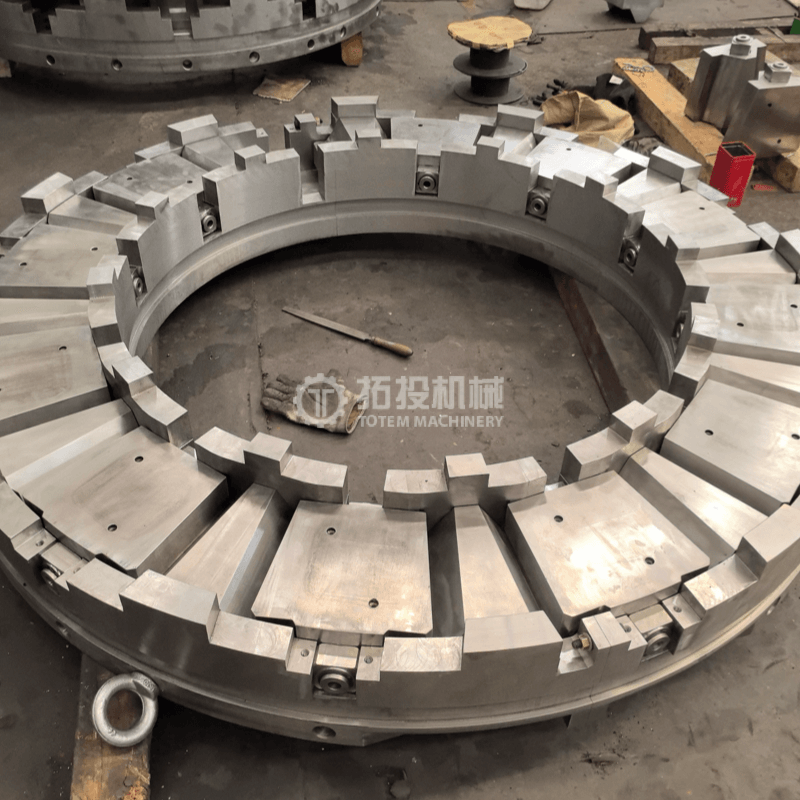
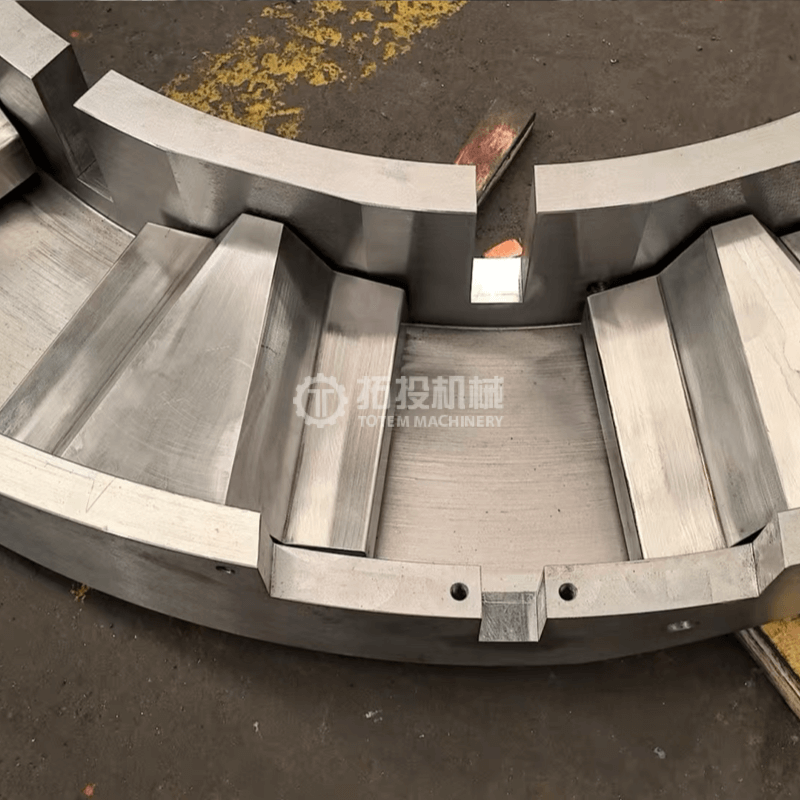
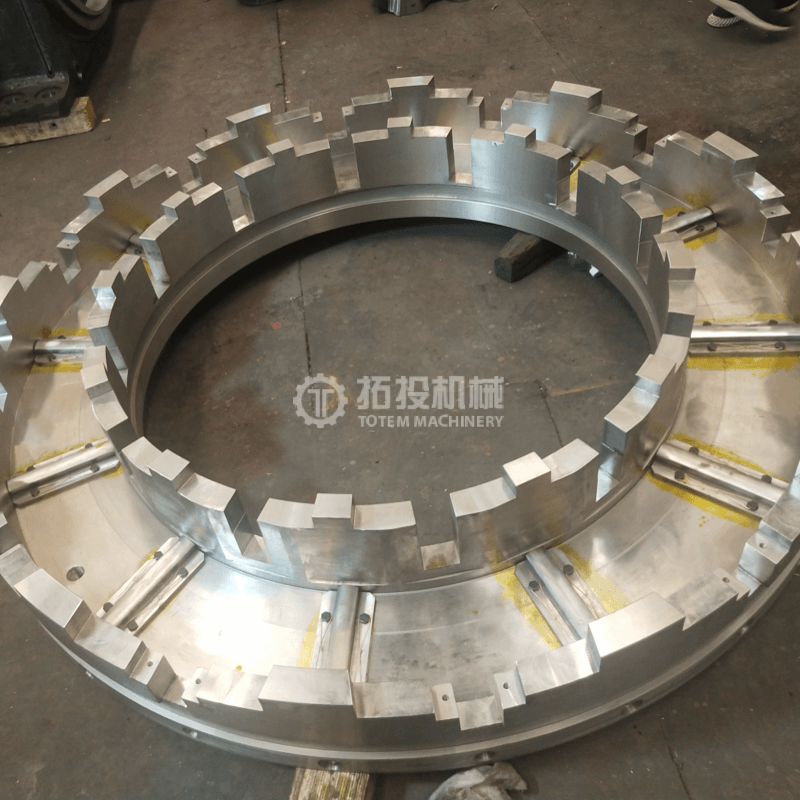
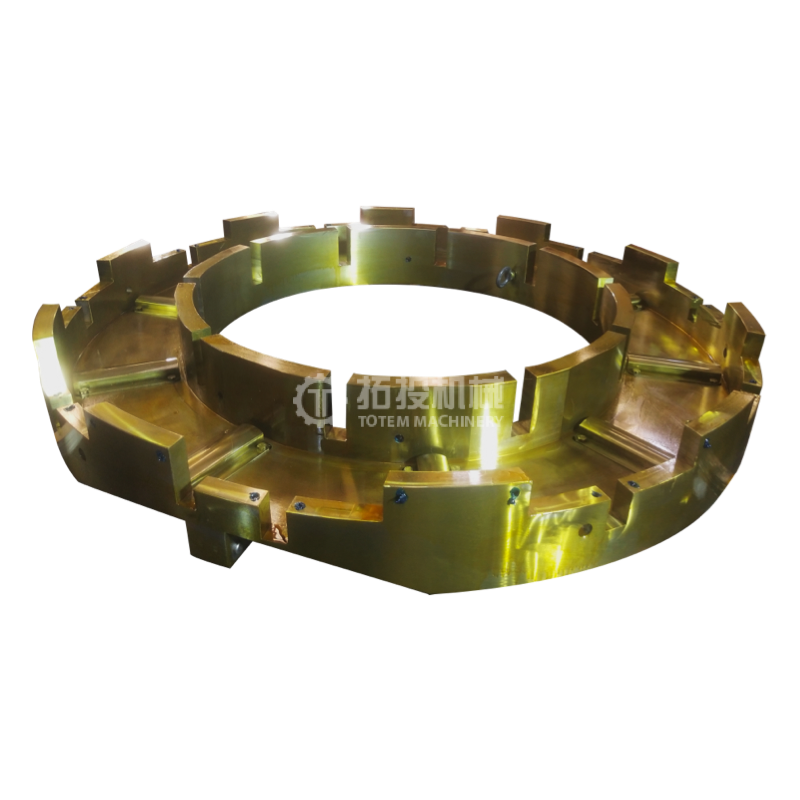
The Forged 35 Steel Thrust Pad Supporting Ring is a critical load-bearing component designed specifically for white metal bearings (commonly known as Babbitt bearings). Engineered to ensure the long-term, stable operation of thrust bearing systems in heavy-duty industrial equipment, this precision-machined structural part serves as the foundational support for thrust pads. By providing a reliable load transmission path and accurate positioning for key bearing components, it minimizes operational risks and enhances overall mechanical efficiency. Widely recognized as an indispensable element for industrial rotating machinery, this supporting ring is forged from high-quality 35 carbon steel. This specific material choice delivers superior structural stability, exceptional toughness, and the robust load-bearing capacity required to adapt to continuous, high-load operation scenarios in demanding industrial environments.
The Forged 35 Steel Thrust Pad Supporting Ring undertakes the essential functions of supporting, positioning, and securing thrust pads, offering a highly stable installation foundation for the entire thrust bearing assembly. It realizes efficient axial load transmission by transferring the immense pressure from the thrust shaft directly to the bearing housing and equipment foundation through a scientifically optimized force path. This ensures uniform load distribution and prevents localized wear. Furthermore, it cooperates seamlessly with thrust pads and balancing weights to form a complete thrust bearing support system, maintaining the precise operational accuracy of the entire bearing device even under fluctuating operational dynamics.
For engineering teams and procurement professionals, the reliability of bearing components directly impacts facility uptime and maintenance budgets. This supporting ring offers excellent structural stability, which directly improves the operational safety and extends the service life of thrust bearing assemblies. Its high assembly precision effectively avoids position deviation or misalignment of thrust pads when subjected to frequent load fluctuations or sudden mechanical shocks. Additionally, the optimized structural design significantly reduces local stress concentration, thereby enhancing the reliability of long-term continuous operation and lowering the frequency of required maintenance interventions.
Item | Specification |
Material | Forged 35 carbon steel (GB/T699-2015) |
Heat Treatment | Normalizing (870℃) / Quenching (850℃) + Tempering (600℃) |
Tensile Strength | ≥530MPa |
Yield Strength | ≥315MPa |
Machining Precision | High coaxiality, Ra≤3.2μm for machined surfaces |
Hardness | ≤197HB (untreated) |
Surface Treatment | Customizable anti-rust, anti-corrosion treatment |
Applicable Bearing Type | White metal bearings / Michell thrust bearings |
Load Adaptability | Heavy load & continuous operation scenarios |
The Forged 35 Steel Thrust Pad Supporting Ring is widely applied in the thrust bearing devices of core industrial equipment. Prominent applications include marine propulsion system thrust bearing components, steam turbines, hydro generators, and various heavy-duty industrial rotating machinery. It is especially suitable for challenging environments, such as humid, high-temperature, and corrosive working conditions frequently encountered in marine engineering and energy power generation facilities. By ensuring consistent axial support, it helps prevent catastrophic equipment failures and maintains operational stability. Furthermore, the structural dimensions and surface treatments can be evaluated and optimized according to the actual working conditions of different industries, meeting the stringent bearing support needs of industrial equipment manufacturers and heavy engineering enterprises.
The manufacturing of a high-performance Forged 35 Steel Thrust Pad Supporting Ring requires a rigorous approach to material selection and highly controlled machining procedures. Every step of our production is engineered to maximize the mechanical reliability, structural integrity, and long-term stability of the final bearing components, ensuring they meet the stringent demands of heavy-duty industrial applications.
35 carbon steel is deliberately selected as the core raw material for these supporting rings due to its exceptional plasticity, appropriate tensile strength, and superior forging process performance. For Michell thrust bearings operating under continuous heavy-load conditions, the supporting ring must endure immense axial forces without yielding or deforming. The specific mechanical properties of high-strength 35 carbon steel provide the essential rigidity required to maintain stable operation over extended life cycles.
Furthermore, to accommodate specialized industrial applications such as marine propulsion systems or energy generation equipment, the base material can be further optimized. We offer advanced surface protection treatments customized to specific environmental requirements. These treatments significantly enhance the material's resistance to corrosion, oxidation, and high-temperature degradation, ensuring reliable performance even in humid, chemically aggressive, or fluctuating thermal environments.
Achieving the exact tolerances required for Babbitt bearing components necessitates a meticulously controlled precision machining process. Each phase is designed to enhance the physical properties and assembly readiness of the supporting ring:
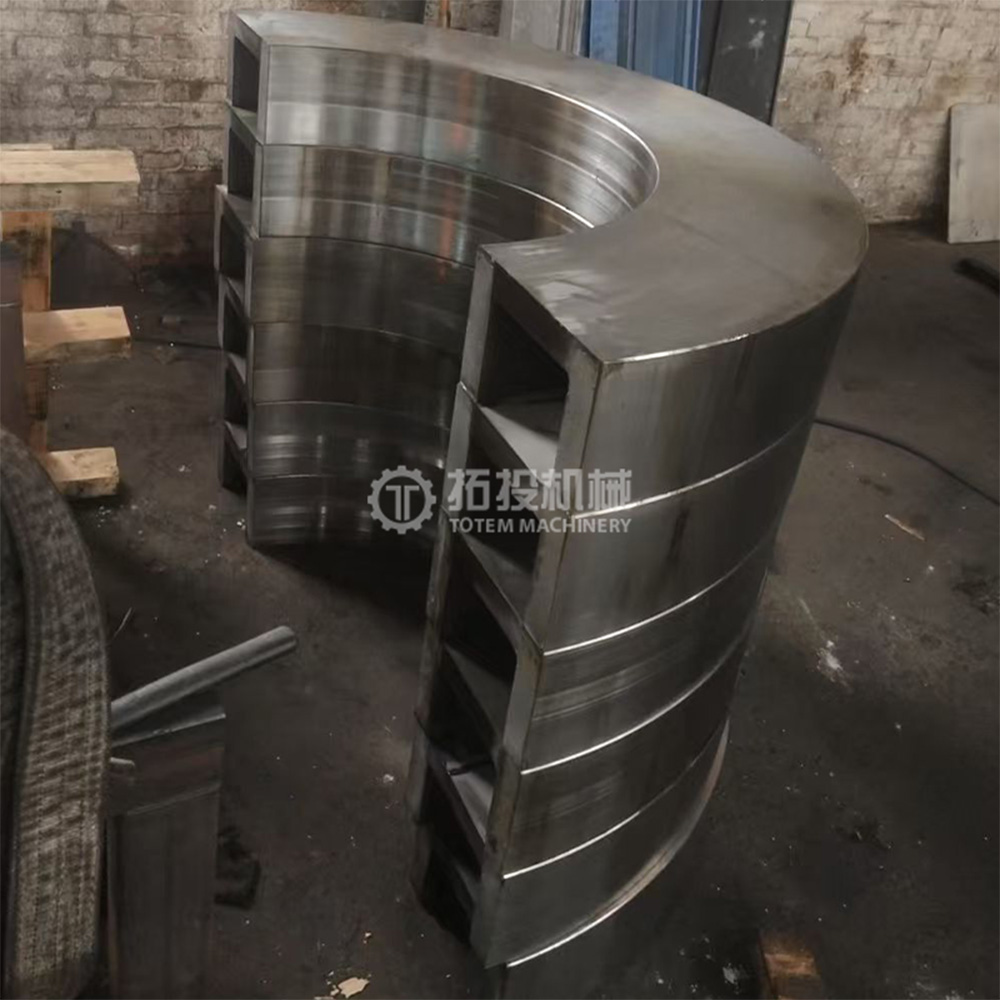
Precision Forging: The manufacturing journey begins with the precision forging of the 35 steel blank. This critical step refines the internal grain structure of the metal and eliminates microscopic internal voids, ensuring optimal material compactness. A dense, well-forged structure directly translates to a dramatically improved overall load-bearing capacity and enhanced fatigue resistance.
Clamping & Positioning: Machining accuracy relies heavily on foundational stability. During this phase, dedicated custom fixtures are employed for the precise clamping and positioning of the forged blank. This rigid setup guarantees absolute machining stability and eliminates vibration. Most importantly, it ensures strict coaxiality and dimensional accuracy, which is a fundamental requirement for the even distribution of axial loads across the thrust pads.
Turning & Chamfering: Following secure positioning, precision turning is executed on all critical assembly surfaces to achieve the exact dimensional tolerances specified in the engineering drawings. Subsequently, standardized chamfering is performed to meticulously remove any burrs, sharp edges, or machining anomalies. This facilitates safer, smoother assembly procedures and significantly reduces the risk of localized stress concentration.


Beyond the physical machining steps, the production of the thrust pad supporting ring is governed by strict quality control procedures and advanced design considerations. Relying on mature manufacturing processes, our facility produces thrust pad rings strictly according to customer technical drawings and stringent engineering specifications. This guarantees a flawless match and seamless integration with thrust bearing shoes and other critical Babbitt bearing components, significantly reducing assembly risks for procurement teams.
During the engineering and production stages, key operational factors are fully evaluated. High-speed rotating machinery generates friction and heat; therefore, thermal deformation effects, axial load distribution, and long-term operational stability are carefully calculated. By implementing a highly rationalized structural layout, the supporting ring is optimized to accommodate thermal expansion without compromising alignment. This precise structural design minimizes the risk of local stress concentration and maximizes the overall load-bearing reliability of the entire thrust bearing system, ensuring dependable performance in demanding industrial environments.
To ensure the structural integrity and surface precision of the Forged 35 Steel Thrust Pad Supporting Ring during long-distance international transit, we implement a rigorous, multi-layer export packaging protocol. Designed for global sea, land, and air freight, our packaging solutions safeguard your heavy industrial components against moisture, mechanical shocks, and handling risks, ensuring they arrive at your project site ready for immediate installation.
Inner Protective Layer: Critical machined surfaces are meticulously coated with premium anti-rust oil and tightly wrapped in VCI (Volatile Corrosion Inhibitor) paper. This creates a reliable barrier that isolates the steel rings from air, humidity, and saline environments, preventing oxidation during extended maritime transport.
Cushioning & Fixation Layer: To mitigate impact and vibration, we utilize high-density pearl cotton and industrial-grade foam for all-around cushioning. Customized wooden or polymer positioning blocks are strategically placed within the crate to firmly lock the supporting ring in place, effectively preventing any rolling, friction, or displacement that could compromise the component's dimensional accuracy.
Outer Reinforced Packaging: We utilize heavy-duty, reinforced export wooden cases engineered for high load-bearing capacity. These robust crates are constructed to withstand the rigors of multi-modal logistics, providing superior structural protection against external compression and facilitating safe handling by forklifts and port cranes.
Custom Packaging & Marking Services: We understand that different project sites have unique logistical requirements. Our packaging solutions can be fully tailored based on destination port regulations and specific site conditions. Essential markings, including center of gravity indicators, designated lifting points, and custom shipping marks, are clearly stenciled to ensure safe unloading and streamlined inventory management upon arrival.


Choosing the right manufacturing partner is crucial for the success and safety of your heavy equipment projects. TOTEM MACHINERY is dedicated to delivering reliable thrust bearing components with a focus on long-term performance, risk reduction, and a seamless procurement experience for global engineering enterprises.
Mature Manufacturing Technology: Backed by professional forging facilities and precision machining production lines, we possess extensive expertise in manufacturing critical thrust bearing components for industrial heavy machinery. Our mature processes ensure consistent metallurgical integrity and dimensional precision across every batch, minimizing installation issues.
Strict Quality Control: Quality is embedded in every stage of our operations. The entire production cycle undergoes rigorous, multi-point quality inspections. From raw material verification to final dimensional checks, we guarantee that each Forged 35 Steel Thrust Pad Supporting Ring strictly complies with demanding industrial technical standards and your specific engineering tolerances.
Comprehensive Customization Capability: We recognize that standard parts often fall short in specialized applications. Our engineering team provides highly personalized solutions, including material grade optimization, customized structural designs, and specialized surface treatments, precisely aligned with the actual operational demands of our industrial clients.
End-to-End One-Stop Service: We streamline your supply chain by offering a complete, full-process supporting service system. Covering initial product design consultation, precision machining, secure packaging, and global shipping logistics, we serve as a reliable, single-source partner for engineering enterprises and heavy equipment manufacturers worldwide.
Superior Environmental Adaptability: Designed with durability in mind, our products are engineered and optimized to perform reliably in various harsh industrial working environments. By ensuring high operational reliability and an extended service life, we directly help our customers minimize equipment downtime and significantly reduce later maintenance costs.


