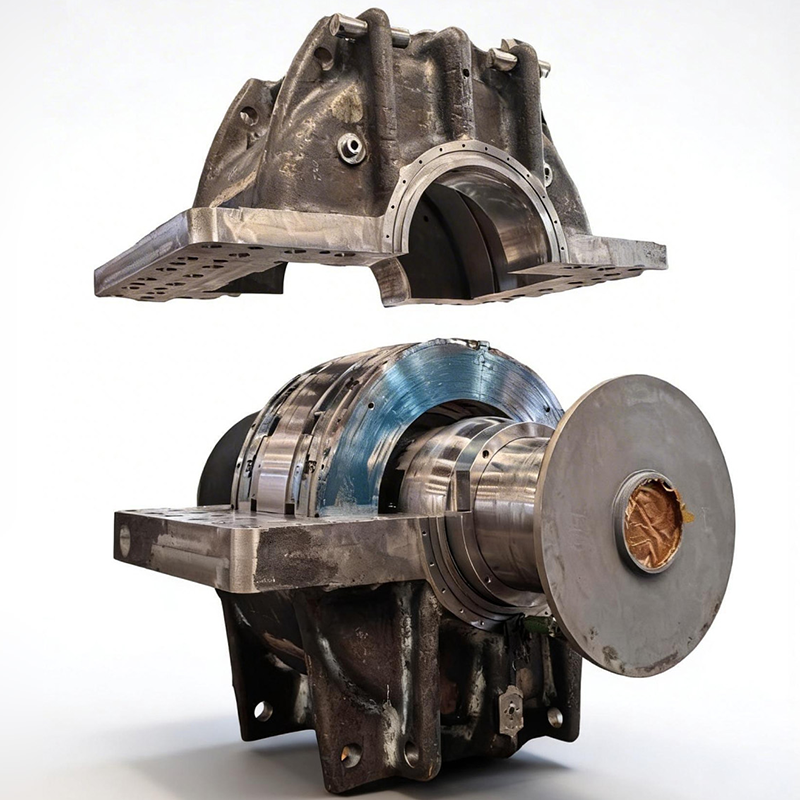
Marine intermediate shaft bearing failure rarely begins with one isolated defect. A rising temperature may result from poor oil supply, but it can also indicate excessive local loading caused by shaft bearing misalignment.
Read More →A scored journal does not automatically mean a marine shaft must be replaced, and a surface that looks smooth is not necessarily serviceable.
Read More →A marine shaft coupling can look serviceable while fatigue damage is already developing at a keyway, fillet, flange transition, bolt-hole edge, or corroded surface.
Read More →Marine intermediate shaft bearing failure rarely begins with one isolated defect. A rising temperature may result from poor oil supply, but it can also indicate excessive local loading caused by shaft bearing misalignment.
Read More →A scored journal does not automatically mean a marine shaft must be replaced, and a surface that looks smooth is not necessarily serviceable.
Read More →A marine shaft coupling can look serviceable while fatigue damage is already developing at a keyway, fillet, flange transition, bolt-hole edge, or corroded surface.
Read More →Surface marks on an intermediate shaft can look minor while hiding a larger shaftline problem. Scoring may come from oil-film loss, but similar journal wear can also follow edge loading, contaminated lubricant, bearing deterioration, corrosion, or misalignment.
Read More →Tilting pad journal bearings are widely used in high-speed rotating machinery where rotor stability, thermal control, and predictable dynamic behavior are critical.
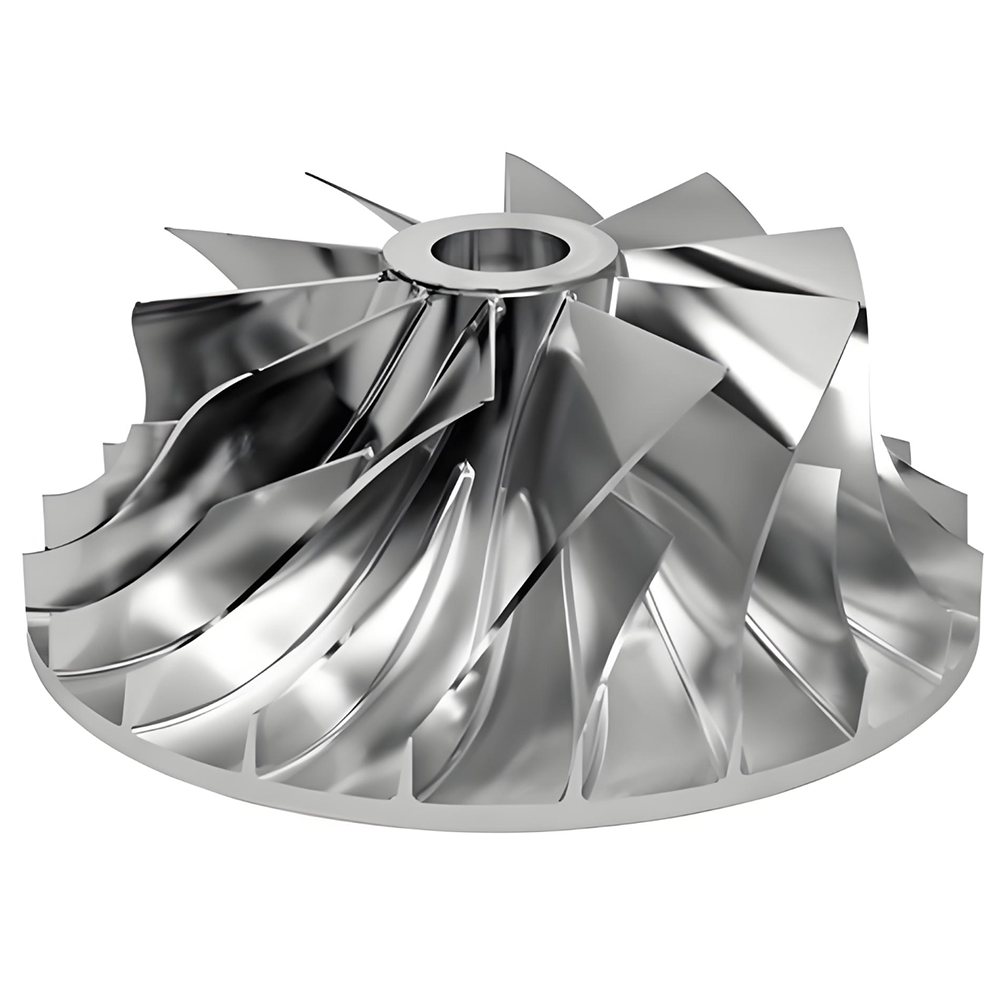
Read More →This article provides a comprehensive review of closed three-dimensional flow centrifugal impeller manufacturing. These impellers are key to high-efficiency fluid machinery, offering improved performance but posing extreme machining challenges due to twisted blades, narrow passages, and thin structures. The paper covers major processes including five-axis milling, EDM, investment casting, welding, and additive manufacturing, each with trade-offs in accuracy, cost, and material use. It highlights critical issues such as tool interference, deformation, and thermal effects, and discusses surface treatments, quality control, and NDT. Market trends and future directions—digitalization, hybrid manufacturing, direct drives, and smart monitoring—are also outlined. The overall goal is to guide selection of optimal manufacturing routes for different applications.
Read More →