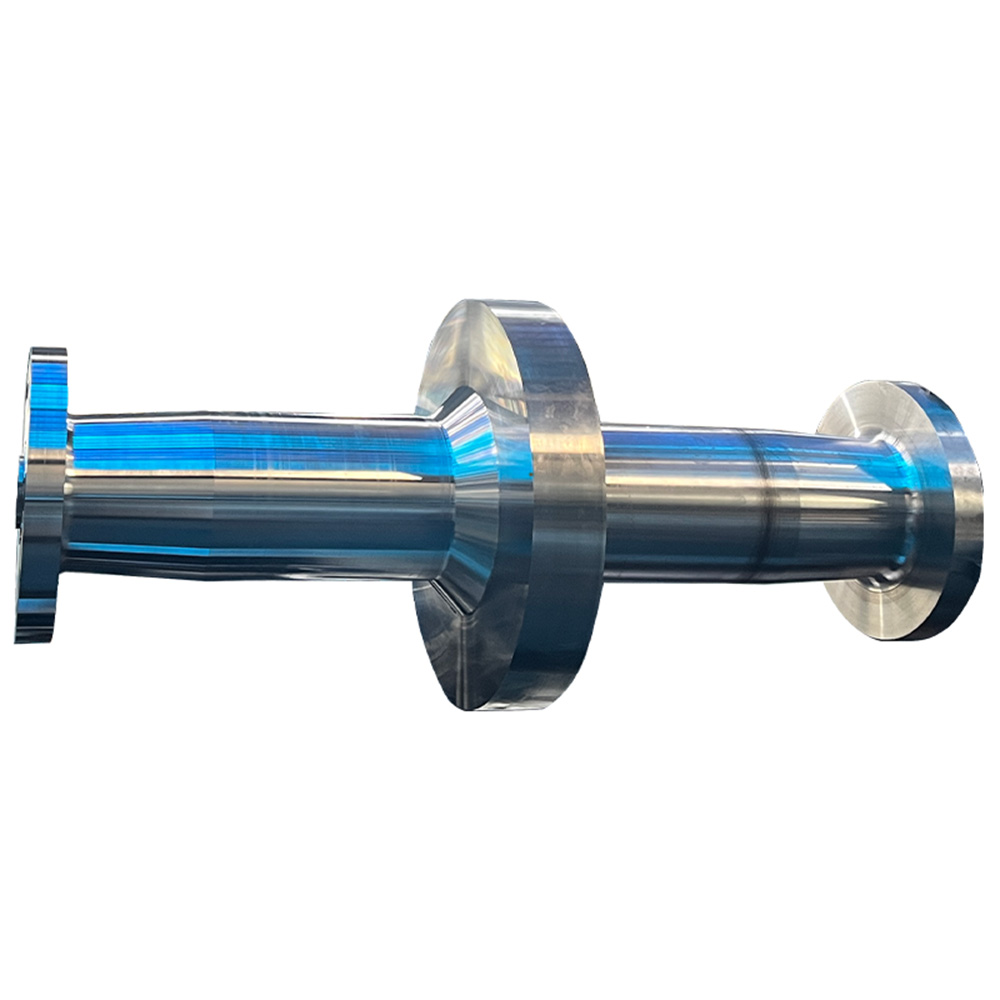
Vibration, premature bearing wear, seal problems, or difficulty aligning shaft-line flanges may lead to suspicion of a bent shaft, but symptoms alone cannot identify the cause.
Read More →A propeller shaft rarely moves from normal operation to sudden fracture without an underlying damage process. The challenge is that early symptoms such as vibration, bearing temperature changes, leakage, unusual noise, or altered bearing behavior can also originate elsewhere in the propulsion train.
Read More →Marine propulsion shaft misalignment rarely announces itself with one unmistakable alarm. A rising bearing temperature, load-dependent vibration, abnormal wear, or a change after ballasting can each point toward alignment trouble, but each can also have other causes.
Read More →Vibration, premature bearing wear, seal problems, or difficulty aligning shaft-line flanges may lead to suspicion of a bent shaft, but symptoms alone cannot identify the cause.
Read More →A propeller shaft rarely moves from normal operation to sudden fracture without an underlying damage process. The challenge is that early symptoms such as vibration, bearing temperature changes, leakage, unusual noise, or altered bearing behavior can also originate elsewhere in the propulsion train.
Read More →Marine propulsion shaft misalignment rarely announces itself with one unmistakable alarm. A rising bearing temperature, load-dependent vibration, abnormal wear, or a change after ballasting can each point toward alignment trouble, but each can also have other causes.
Read More →A thrust bearing controls axial movement by carrying force that acts along a shaft and transferring that force into a stationary housing or supporting structure.
Read More →A shaft can remain apparently serviceable while a small fatigue crack grows through thousands or millions of load cycles. By the time vibration, noise, or visible deformation becomes obvious, the remaining load-bearing section may already be seriously reduced.
Read More →Marine intermediate shaft bearing failure rarely begins with one isolated defect. A rising temperature may result from poor oil supply, but it can also indicate excessive local loading caused by shaft bearing misalignment.
Read More →