| Quantity: | |
|---|---|
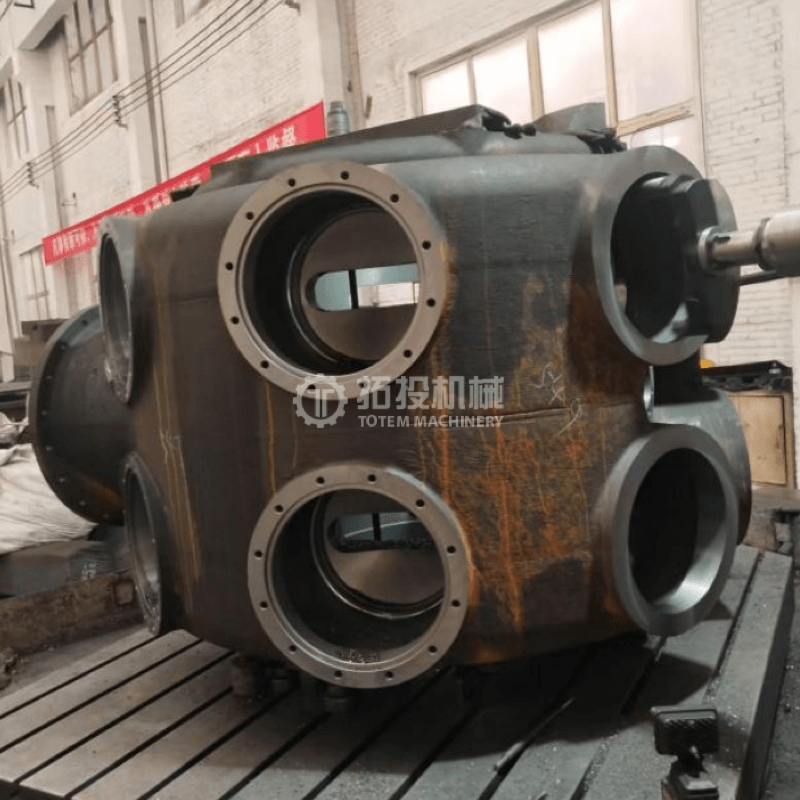
The heavy-duty casting piston cylinder block is an indispensable core load-bearing component designed specifically for gas reciprocating compressors. Serving as the primary housing for critical moving and sealing parts—including the piston, inlet valves, and exhaust valves—this cylinder block is engineered to endure demanding industrial environments. During continuous operation, the compressor cylinder is subjected to intense periodic high pressure, elevated temperatures, and severe alternating loads generated throughout the gas compression cycle. Consequently, the structural integrity, dimensional stability, and superior sealing performance of our cylinder blocks directly determine the operational reliability, overall energy efficiency, and long-term service life of the complete compressor system.
To meet diverse industrial requirements, our cylinder block structures are primarily available in two robust configurations: premium single-piece castings and high-strength forged and welded structures. The selection of cylinder materials is meticulously tailored to the specific working pressure and the chemical properties of the handled gas. We utilize high-quality alloy steel for general high-stress applications, low-alloy high-strength steel for enhanced durability, and corrosion-resistant special materials for environments involving aggressive or sour gases. Furthermore, to maximize wear resistance and significantly extend the component's operational lifespan, the inner wall of the cylinder can be engineered with specialized surface hardening and wear-resistant treatments, ensuring stable performance even under continuous friction.
| |  |
 |  |  |
Within the dynamic operation of a gas reciprocating compressor, the entire sequence of gas intake, compression, and exhaust occurs directly within the cylinder block. This necessitates exceptional pressure-bearing capacity and outstanding fatigue strength. Our piston cylinder blocks are designed to maintain flawless compatibility and precise alignment with the cylinder bore, valve chambers, and structural mounting surfaces. This meticulous design focus guarantees the smooth, uninterrupted movement of internal components, establishes a highly reliable seal, and drastically reduces the risk of gas leakage, thereby minimizing energy loss and maximizing compression efficiency.
This high-performance product is exceptionally suited for medium- and high-pressure reciprocating compressors deployed across critical heavy industries. Typical application fields include petroleum extraction and refining, natural gas processing and transportation, heavy chemical processing, industrial air separation plants, and large-scale power generation facilities. By optimizing material selection, wall thickness, internal flow passages, and interface configurations based on actual operating parameters, we ensure that the gas compressor cylinder delivers stable, secure operation under complex and hazardous working conditions, offering seamless compatibility with your existing mechanical systems.
We understand that every industrial compression project has specific functional requirements. Our dedicated engineering team provides end-to-end support to ensure the right fit for your application:
Tailored Manufacturing: We fully support comprehensive customization strictly according to clients’ engineering drawings, technical specifications, or specific application parameters.
Strategic Collaboration: We actively cooperate with complete machine manufacturers and OEMs, focusing on advanced structural optimization and precise working condition matching to enhance overall system performance.
Lifecycle Technical Support: Our team provides continuous technical communication throughout the entire manufacturing process, coupled with responsive and reliable after-sales support.
Specialized Solutions: We welcome inquiries for detailed technical information, bespoke engineering solutions, and specialized configurations designed to resolve challenging gas compression requirements.
The manufacturing of a heavy-duty casting piston cylinder block for gas reciprocating compressors relies heavily on advanced and meticulously controlled machining processes. Because the cylinder block serves as the core operational chamber for gas compression, any deviation in dimensional accuracy can lead to efficiency losses, increased wear, or operational failure. Our machining workflow is specifically engineered to guarantee that every critical dimension, mating surface, and internal bore meets the exact tolerances required for industrial-grade compressor applications. By focusing on precision engineering, we ensure that the final product delivers exceptional reliability and operational stability.
At the heart of the machining process is the treatment of the cylinder bore. We meticulously machine the cylinder bore, adopting advanced boring and precision machining techniques to achieve the exact internal dimensions required for optimal compressor performance. The primary goals during this phase are to ensure absolute bore roundness, precise cylindricity, and the correct surface roughness.
Why are these parameters critical? In a gas reciprocating compressor, the piston and piston rings must maintain a dynamic yet tight seal against the cylinder wall under high pressure. If the roundness or cylindricity is compromised, it can cause uneven wear, localized friction hotspots, and eventual gas leakage. By strictly controlling the surface roughness, we ensure that the internal walls retain just enough lubricating oil film to minimize friction while providing a smooth enough surface to prevent premature wear. This strict adherence to the matching requirements of the piston and piston rings significantly extends the service life of both the cylinder block and the internal moving components, ultimately reducing maintenance downtime for end-users.
Beyond the internal bore, the external and internal mating surfaces of the cylinder block require rigorous attention. We strictly control sealing surface flatness, ensuring the flatness of key mating surfaces through highly accurate precision milling or grinding procedures. In heavy-duty gas compression systems, the cylinder block must connect flawlessly with the cylinder head, valves, and crankcase. Any microscopic gap or unevenness on these mating surfaces can compromise the integrity of the gaskets and lead to severe pressure drops or hazardous gas leaks.
Our precision milling ensures that the bulk material is removed with high structural stability, preventing any warping of the casting. Following this, the grinding process provides the final micro-level finish, ensuring that the sealing surface flatness meets the most stringent industrial standards. This meticulous approach to surface preparation is designed to improve overall sealing performance, ensuring that the compressor can safely and efficiently handle high-pressure gas loads over extended operational periods.
Every step of our machining process is designed to eliminate variables and deliver a consistent, high-performance cylinder block. By maintaining strict control over boring, milling, and grinding operations, we help procurement teams and engineers reduce the risks associated with component failure. The resulting heavy-duty casting piston cylinder block offers superior structural integrity, perfect alignment with mating components, and an optimized internal environment for gas compression. This commitment to machining excellence translates directly into lower total cost of ownership, fewer replacement cycles, and dependable continuous operation in demanding industrial environments.
After completing the primary machining processes, the heavy-duty casting piston cylinder block enters a critical and rigorous quality inspection phase. For gas reciprocating compressors operating under demanding industrial conditions, ensuring the structural integrity and dimensional precision of the cylinder block is paramount. Our comprehensive inspection protocols are meticulously designed to verify that every cast and machined component meets strict engineering standards. By implementing systematic quality control measures, we help procurement professionals and engineers mitigate operational risks. This rigorous approach ensures that the final assembly delivers reliable performance, extended service life, and minimized downtime in complex gas compression applications.
One of the most vital inspection procedures is the Hydrostatic and Pneumatic Pressure Testing. The cylinder housing and its critical connection areas are subjected to specified internal pressures using both water and gas media, respectively. This dual-testing approach is essential for verifying the sealing integrity and overall pressure resistance of the heavy-duty casting. During the hydrostatic test, water is utilized to safely apply high pressure, checking the casting for any hidden structural flaws, porosity, or micro-cracks that could compromise its mechanical strength. Subsequently, the pneumatic test uses gas to detect even the most minute leaks that might otherwise go unnoticed. This rigorous verification process guarantees that the cylinder block can safely withstand the continuous, high-pressure cycles typical in gas reciprocating compressors, providing buyers with the assurance of operational safety, environmental compliance, and long-term durability under heavy loads.
Following pressure verification, the assembling of the air compressor cylinder involves meticulous mechanical machining and inspection on relevant mating surfaces, connection holes, and fitting areas. The primary purpose of this operation is to ensure absolute dimensional accuracy, strict adherence to geometric tolerances, and exceptional overall fitting quality after assembly. In heavy-duty gas compressors, the precise alignment and fit of the cylinder block with other moving components are critical for minimizing friction, preventing premature wear, and maintaining optimal compression efficiency. Our quality inspection during the assembly phase guarantees that every mating surface is machined to exact specifications. By meticulously controlling these geometric tolerances, we ensure that the complete assembly meets all requirements for straightforward installation and stable, vibration-free operation. This attention to detail translates into significant value for buyers, as it facilitates easier integration into larger compressor systems and significantly reduces the need for future maintenance.
The combination of advanced pressure testing and precise assembly verification forms the foundation of our quality assurance system. Every heavy-duty casting piston cylinder block is thoroughly documented and inspected before it leaves the facility. For industrial buyers, this means receiving a highly reliable component that is ready for immediate deployment in demanding gas compression environments. By prioritizing strict inspection standards, we eliminate the guesswork from procurement, ensuring that your equipment functions at peak efficiency from day one and delivers a strong return on investment through sustained, trouble-free operation.
PT
Installation
Installation
Totem Machinery stands as a trusted comprehensive manufacturer, extending our engineering expertise far beyond individual casting production. We possess extensive machining and manufacturing capabilities for various core components related to reciprocating compressor cylinders. For industrial procurement teams, equipment manufacturers, and engineering project managers, sourcing multiple critical parts from a single, highly capable facility significantly reduces supply chain complexity. More importantly, it mitigates the compatibility risks that often arise during the final assembly of complex gas compression systems.
Our production scope is strategically designed to cover the complete mechanical ecosystem of reciprocating compressors. We specialize in the precise manufacturing and dimensional control of essential interacting parts, primarily including: cylinder blocks, inlet valves, outlet valves, piston rods, rod heads, crossheads, connecting rods, and crankshafts. By maintaining strict, centralized control over the production of this entire suite of components, we ensure that each individual piece aligns perfectly with the overarching mechanical and thermodynamic requirements of heavy-duty gas compression equipment.
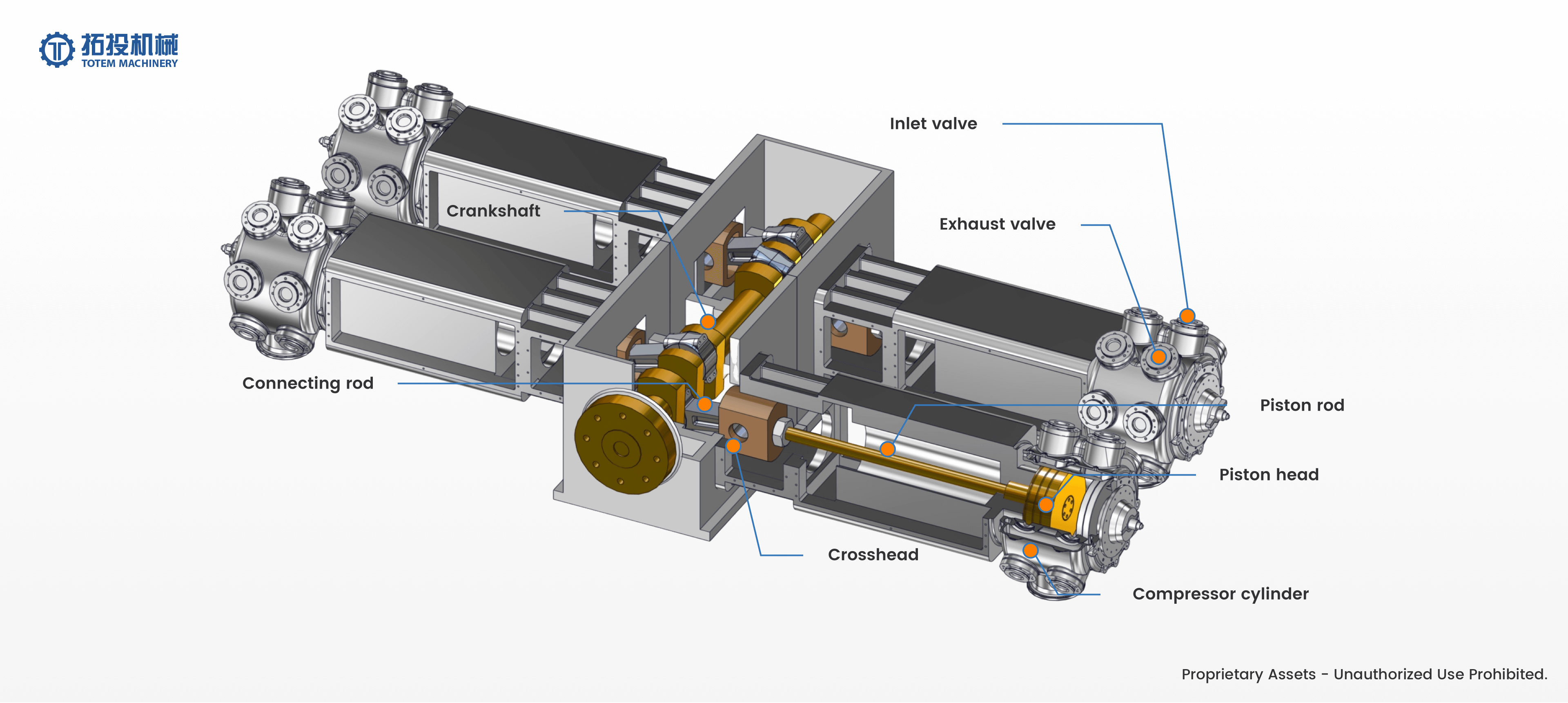
Through an integrated understanding of compressor dynamics and precise manufacturing control of these key components—such as cylinder blocks, valves, piston rods, crossheads, connecting rods, and crankshafts—we are able to provide our customers with structurally compatible and performance-stable compressor cylinder component solutions for reciprocating compressors. When these interacting mechanical parts are manufactured and evaluated under a unified engineering philosophy, the cumulative dimensional tolerances are strictly minimized. This holistic manufacturing approach guarantees smoother mechanical operation, optimized load distribution, reduced operational vibration, and an extended service life for the entire compressor unit.
Sourcing a complete component package from Totem Machinery translates directly into measurable advantages for your procurement and assembly operations. Instead of coordinating with multiple fragmented suppliers for different moving parts, our clients benefit from a highly streamlined procurement process. This comprehensive manufacturing capability not only accelerates project timelines and simplifies vendor management but also ensures that every component—from the heavy-duty cylinder block to the highly stressed connecting rods and crankshafts—shares the same uncompromising standard of material integrity and dimensional accuracy.
Furthermore, our integrated solutions are meticulously designed to support long-term operational stability in the most demanding industrial environments. The synergistic fit between our piston rods, rod heads, and crossheads reduces premature wear and tear, thereby lowering maintenance frequency and minimizing costly operational downtime. By choosing our comprehensive component manufacturing services, you are investing in a cohesive, reliable mechanical system where every part is engineered to perform flawlessly under continuous, high-pressure gas reciprocating cycles.